


Design and development by Raincastle Communications.

Choosing the best sealing compound in 2026 requires more than comparing prices or reading bold product claims. The right choice depends on the joint material, temperature range, pressure, movement, and exposure to water, oil, chemicals, or sunlight. A compound that performs well around a bathroom sink may fail inside an engine compartment or on an outdoor metal roof. Small details matter. A clean surface matters, too.
This guide examines common Sealing Compound types, including silicone, polyurethane, acrylic, butyl, and anaerobic formulations. It explains where each option works best, where it may disappoint, and how application conditions affect long-term performance. For example, a flexible silicone bead may remain stable around a glass shower enclosure, while a threaded metal connection may need a different product entirely. Manufacturer technical data sheets should guide final decisions, especially for high-temperature or pressurized applications.
Real-world use often reveals limitations that packaging does not mention. Cure time can change in cold, dry air. Adhesion may weaken when surfaces contain dust, grease, or old residue. Some products also become difficult to remove during future repairs. There is no universal winner. That is the honest answer.
The recommendations in this article consider durability, compatibility, application ease, safety information, and value. However, product formulas can change, and regional availability differs. Verify current specifications before purchasing. A careful test on a small, hidden area may prevent an expensive mistake. A perfect seal starts with realistic expectations.
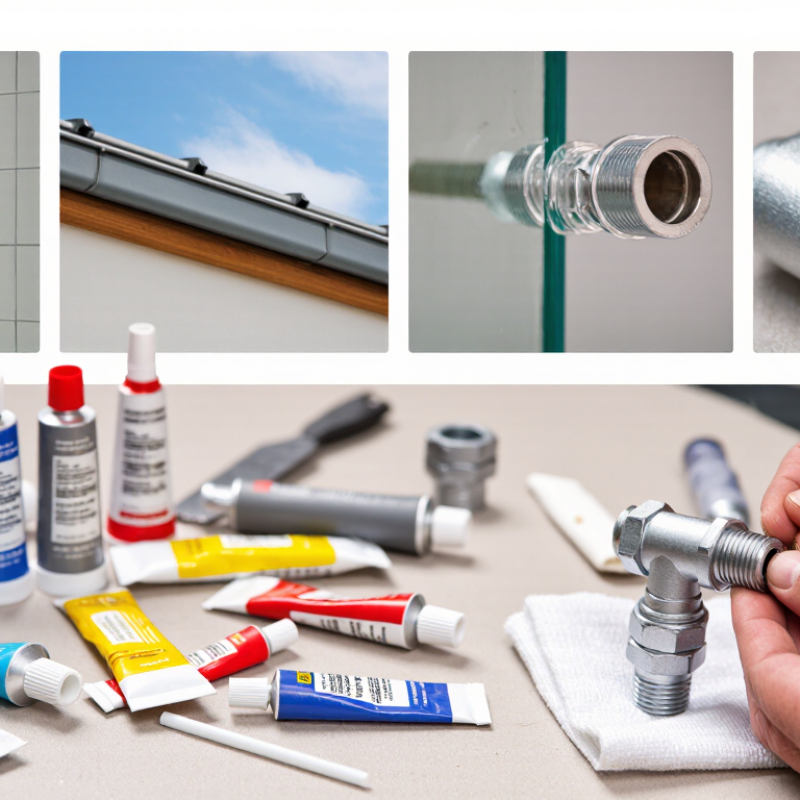
Sealing compound is a material used to close joints, gaps, and threaded connections. It blocks air, water, dust, vibration, or chemical leakage. Common forms include silicone, polyurethane, acrylic, polysulfide, and anaerobic compounds. Each performs differently. Silicone handles movement and temperature changes well. Polyurethane often bonds strongly to concrete, metal, and wood. Anaerobic compound suits close-fitting threaded parts.
Its uses are broad. Builders apply it around windows, roofs, bathrooms, and expansion joints. Plumbers use it on pipe threads and fittings. Manufacturers seal electrical enclosures, vehicle components, tanks, and machinery housings. Grand View Research estimated the global sealants market above 75 billion dollars in 2023, showing strong demand across construction and manufacturing. The U.S. Department of Energy also reports that air sealing can reduce building heating and cooling costs, although savings vary by climate, design, and installation quality. A compound is not automatically suitable for every surface.
Tips: Check the substrate, service temperature, movement, and exposure before buying. Clean and dry the joint. Apply a small test bead first. Read the technical data sheet, not only the package label. ASTM and ISO classifications can help compare adhesion, flexibility, and durability. A common field mistake is choosing maximum strength instead of correct movement capacity. I have seen rigid compounds crack where flexible sealing was needed. Cure time matters, too. Some products feel dry outside while remaining soft inside.
| Sealing Compound Type | What It Is | Recommended Uses | Key Advantages | Limitations | Typical Service Temperature* | Best Choice For |
|---|---|---|---|---|---|---|
| Silicone Sealant | A flexible, rubber-like sealant that cures through exposure to moisture in the air. | Windows, bathrooms, kitchens, glass, metal joints, exterior expansion joints, and weatherproofing. | Excellent resistance to ultraviolet light, moisture, weathering, and temperature changes; remains flexible. | Usually difficult to paint; adhesion may be limited on porous or contaminated surfaces. | Approximately −50°C to 150°C, depending on formulation. | Outdoor weatherproofing and flexible joints. |
| Polyurethane Sealant | A moisture-curing elastomeric compound with strong adhesion and good mechanical strength. | Concrete joints, construction gaps, roofing, automotive seams, metal joints, and heavy-duty exterior applications. | Strong adhesion, abrasion resistance, flexibility, and good resistance to vibration and movement. | Less resistant to long-term ultraviolet exposure than silicone; curing can be affected by very dry conditions. | Approximately −40°C to 90°C; some specialized grades withstand higher temperatures. | High-movement construction joints and durable bonding. |
| Acrylic Sealant | A water-based or solvent-based sealant that forms a paintable, relatively rigid film after drying. | Interior wall cracks, trim, baseboards, door frames, plaster, drywall, and low-movement joints. | Easy to apply, generally paintable, economical, and suitable for many porous building materials. | Lower flexibility and moisture resistance than silicone or polyurethane; not ideal for continuously wet areas. | Approximately −20°C to 80°C, depending on formulation. | Interior finishing and small, low-movement gaps. |
| Butyl Rubber Sealant | A permanently flexible, rubber-based compound that provides a water-resistant seal and remains tacky in some forms. | Roofing details, flashing, window glazing, vehicle bodies, ductwork, and concealed lap joints. | Good water resistance, strong adhesion to many materials, and useful for sealed overlaps. | Limited resistance to ultraviolet exposure and high temperatures; may remain messy or attract dust. | Approximately −40°C to 90°C. | Concealed waterproofing and overlapping sheet materials. |
| Polysulfide Sealant | A two-part or one-part synthetic rubber sealant designed for durable, chemically resistant joints. | Fuel tanks, aircraft and marine joints, concrete structures, glazing, and areas exposed to fuels or chemicals. | Excellent resistance to fuels, oils, solvents, water, and long-term joint movement. | Longer curing time, stronger odor during application, and more demanding surface preparation. | Approximately −50°C to 120°C, depending on grade. | Fuel-resistant and chemically demanding environments. |
| Epoxy Sealing Compound | A reactive resin-and-hardener system that cures into a hard, high-strength polymer. | Concrete repairs, pipe and tank sealing, electrical encapsulation, industrial equipment, and rigid joints. | High strength, strong chemical resistance, low shrinkage, and excellent adhesion to prepared surfaces. | Rigid after curing; unsuitable where substantial joint movement or expansion is expected. | Approximately −40°C to 120°C; specialized grades may tolerate higher temperatures. | Rigid repairs, structural bonding, and chemical resistance. |
| Anaerobic Thread Sealant | A liquid compound that cures when confined between close-fitting metal threads and isolated from oxygen. | Hydraulic and pneumatic fittings, threaded pipe connections, plugs, and metal fasteners. | Seals fine threads, resists vibration loosening, and can replace some traditional thread-sealing methods. | Primarily intended for compatible metal assemblies; performance depends on thread fit, cleanliness, and temperature. | Approximately −55°C to 150°C, depending on grade. | Leak prevention on metal threaded connections. |
| Cement-Based Waterproofing Compound | A cementitious powder or slurry that forms a mineral coating or seal on masonry and concrete. | Basements, foundations, concrete tanks, retaining walls, masonry, and below-grade waterproofing. | Compatible with mineral substrates, moisture tolerant, and suitable for many concrete waterproofing applications. | Rigid or semi-rigid; may crack if the substrate moves significantly or is poorly prepared. | Generally intended for normal building-service temperatures; follow the product specification. | Concrete and masonry waterproofing. |
*Temperature ranges are typical reference values only. Actual performance depends on formulation, substrate, joint design, exposure, curing conditions, and the applicable technical data sheet.
Design and development by Raincastle Communications.
 Customer Support
 Request Sample
 Contact