contact-button

Top 3D Printers for Jewelry Buying Guide

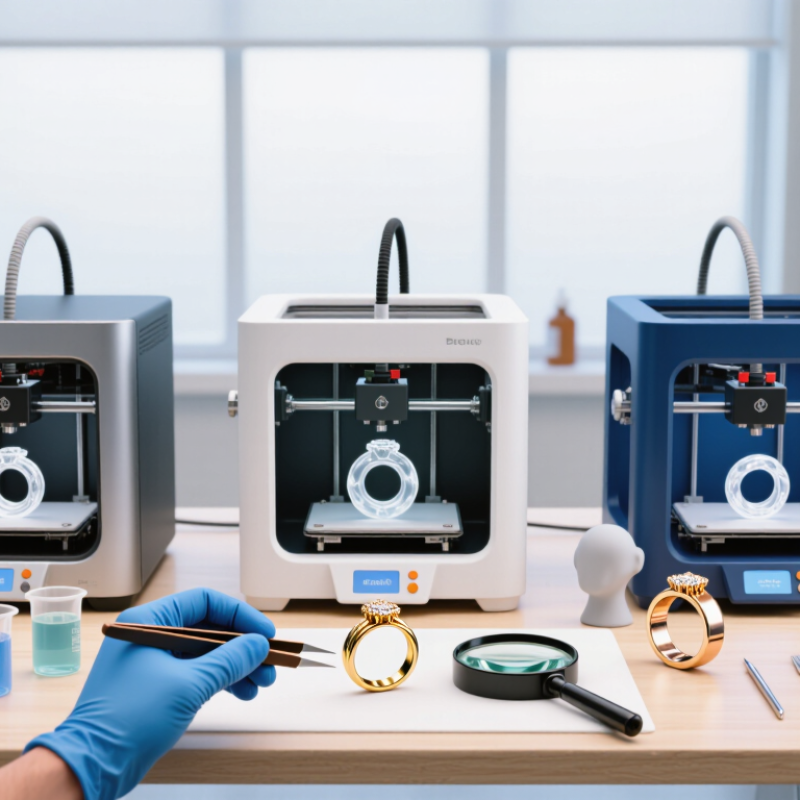
Choosing a 3d printer for jewelry requires more than comparing resolution numbers and attractive product photos. The right machine must reproduce delicate prongs, fine channels, smooth curves, and tiny lettering consistently. In practice, workflow matters as much as hardware. A printer may claim 25-micron precision, yet poor calibration can soften a ring’s edge. That detail is easy to miss.

This guide examines leading options for jewelers, designers, educators, and serious makers. It considers printing technology, castable resin compatibility, build volume, speed, software, maintenance, and customer support. SLA and DLP systems often suit detailed models, but their materials and curing routines differ. A larger build platform can improve production efficiency. It can also increase resin waste and post-processing time. No printer is perfect.

Reliable buying decisions should include manufacturer specifications, independent testing, and daily studio experience. We will look beyond marketing claims and explain what each feature means beside a workbench. Expect practical details, such as checking a ring’s inner surface under magnification, washing uncured resin carefully, and inspecting supports before casting. Running costs deserve attention too. Resin, release films, vats, gloves, filters, replacement parts, and failed prints can change the real price. A quiet desktop printer may fit a small studio better than a faster industrial model. However, beginners may underestimate ventilation, temperature control, and routine calibration. That deserves reflection. The best choice depends on the object, budget, skill level, and intended production volume. Use this guide to compare strengths and limitations honestly. A careful purchase will not eliminate mistakes, but it can make them smaller and easier to diagnose.

Top 3D Printers for Jewelry Buying Guide

Jewelry 3D Printing Technologies and Their Uses

Jewelry 3D printing begins with choosing the right technology for the intended use. Vat photopolymerization uses liquid resin and precise light exposure to create detailed models. It suits rings, pendants, and delicate prototypes with fine textures. Layer heights between 25 and 50 microns can capture small settings and engraved details. However, uncured resin may hide fragile defects. Careful washing and ultraviolet curing remain essential.

Some workshops print castable resin or wax-like patterns for investment casting. The printed model is surrounded by investment material, then burned out before molten metal is introduced. This method supports complex forms, but burnout schedules require testing. Direct metal printing uses powdered metal and a focused energy source. It can produce finished pieces without traditional molds, although support removal and surface finishing take time. Metal powder handling also demands trained operators and proper ventilation.

Tips: Compare detail, material cost, build volume, and post-processing needs. Inspect test prints under magnification. Ask for verified dimensional samples, not only promotional images. A printer with extreme resolution may still disappoint if its software creates weak supports. I have found that simple calibration often matters more than impressive specifications. Leave room for mistakes; jewelry tolerances can be unforgiving.

Top 3D Printers for Jewelry Buying Guide - Jewelry 3D Printing Technologies and Their Uses
Technology Typical Layer Height Typical Resolution or Accuracy Common Jewelry Materials Best Jewelry Applications Typical Build Volume Key Advantages Main Limitations Important Buying Considerations
LCD / MSLA Resin Printing Approximately 20–100 microns XY pixel size commonly ranges from about 18–80 microns, depending on the masking screen and optical design Castable resin, model resin, detail resin, and specialty burn-out resin Wax-pattern replacement, detailed rings, pendants, earrings, prototypes, and small-batch casting patterns Usually about 70 × 130 × 160 mm to 220 × 120 × 200 mm for desktop systems Fine detail, smooth surfaces, relatively low equipment cost, and strong availability of jewelry-specific castable resins Requires washing and UV post-curing; resin handling requires ventilation and protective equipment; some materials need carefully controlled burnout schedules Check pixel size, dimensional consistency, resin compatibility, heated build area if required, wash-and-cure workflow, and the documented burnout profile
DLP Resin Printing Approximately 25–100 microns Typical XY resolution is about 35–75 microns; projected pixels can produce consistent detail across the build area Castable resin, model resin, high-temperature resin, and engineering resin Production of multiple casting patterns, intricate settings, filigree, fine lettering, and repeatable jewelry models Commonly about 70 × 40 × 130 mm to 140 × 80 × 160 mm in jewelry-focused systems Consistent exposure, efficient batch production, good surface quality, and strong repeatability for small parts Projected pixels can create visible stepping; replacement optical components may be costly; resin profiles must be tuned to the specific material Compare projected resolution, optical uniformity, calibration controls, software support, resin availability, and the number of pieces that fit per build
Laser SLA Resin Printing Approximately 25–100 microns Laser spot sizes commonly range from about 70–150 microns, with accuracy affected by optics, calibration, resin shrinkage, and part orientation Castable resin, durable photopolymer, flexible resin, and high-temperature resin Large or highly detailed master models, custom jewelry, design validation, and applications requiring a broad material range Often about 145 × 145 × 175 mm to 300 × 300 × 335 mm, depending on the system category Wide material selection, smooth surfaces, good detail, and the ability to produce comparatively large parts Longer exposure and scanning times can reduce throughput; support removal, washing, and post-curing are required Evaluate laser spot size, resin certification for casting, accuracy over the full platform, support-generation tools, and post-processing requirements
Wax Pattern Printing Approximately 16–32 microns in specialized systems Designed specifically for high-detail casting patterns; practical accuracy depends on wax behavior, temperature control, and calibration True casting wax or wax-filled pattern material Direct investment casting of rings, small decorative parts, intricate filigree, and designs requiring predictable pattern burnout Commonly about 60 × 60 × 120 mm to 150 × 150 × 200 mm Excellent casting behavior, clean burnout, fine detail, and reduced need to create a separate rubber or silicone mold Higher equipment and material costs; wax patterns can be fragile; temperature control and careful handling are important Confirm investment compatibility, burnout schedule, wax strength, support strategy, pattern handling requirements, and service availability
Selective Laser Melting / Direct Metal Laser Melting Approximately 20–60 microns Typical laser spot sizes are roughly 50–100 microns; final accuracy depends on powder, thermal control, support design, and post-processing Stainless steel, tool steel, cobalt-chromium, titanium, aluminum, and selected precious-metal alloys Direct production of metal jewelry, lattice structures, complex settings, lightweight designs, and parts that cannot be cast easily Often about 80 × 80 × 80 mm to 250 × 250 × 300 mm in jewelry and small-production systems Produces functional metal parts without a separate casting pattern; enables internal channels, lattices, and complex geometries High capital cost, metal powder safety requirements, inert-gas management, support removal, and substantial finishing needs Assess alloy availability, powder handling, inert-gas consumption, filtration, build orientation, support removal, surface finishing, and operator training
FDM / FFF Filament Printing Approximately 50–300 microns Typical nozzle diameters are 0.25–0.60 mm; practical detail is lower than resin-based processes for small jewelry features PLA, PETG, ABS, nylon, and specialty wax or composite filaments Large concept models, display prototypes, sizing studies, jigs, fixtures, packaging mock-ups, and educational models Commonly about 180 × 180 × 180 mm to 300 × 300 × 300 mm or larger Low operating cost, easy material storage, larger build areas, and useful strength for fixtures and prototypes Visible layer lines, limited fine detail, anisotropic strength, and generally unsuitable for small direct-casting jewelry patterns Choose this technology mainly for prototyping; compare nozzle options, temperature control, bed adhesion, dimensional accuracy, and filament availability
Buying note: For jewelry casting, dimensional accuracy, reliable burnout, support placement, and post-processing are usually more important than nominal resolution alone. Actual results vary with material formulation, exposure settings, model orientation, calibration, shrinkage compensation, and casting-house procedures.

Key Features to Compare in Jewelry 3D Printers

When comparing jewelry 3D printers, begin with dimensional accuracy, not advertised speed. Fine rings expose small errors quickly. Check XY resolution, layer height, and repeatability across several test prints. A printer may produce sharp details once, then lose consistency after calibration drifts. Ask for measured tolerances, not only sample photographs. No machine is perfect.

Material compatibility also matters. Castable resin or wax-like materials should burn out cleanly and leave minimal ash. Poor burnout can damage delicate investment molds and waste metal, labor, and time. Review recommended exposure settings, curing requirements, and storage conditions. A stable temperature-controlled workspace can improve results, although it may not solve every material problem. Test a small pendant before committing to a complex setting.

Build volume should match the studio’s real production needs. A compact platform may suit custom rings, while larger work requires dependable platform stability. Examine software controls for support placement, hollowing, and compensation for shrinkage. Automatic tools save time, but experienced users still need final inspection. I also value easy maintenance, replaceable components, clear calibration instructions, and documented safety procedures. These details reveal more than a polished demonstration. Consider the complete workflow, including cleaning equipment, curing tools, ventilation, and ongoing material costs. A cheaper printer can become expensive when failed prints accumulate. My own preference is cautious testing: compare ten identical models, record defects, and keep the results before making a purchasing decision.

Top 3D Printer Types for Rings, Charms, and Fine Details

Top 3D Printers for Jewelry Buying Guide

For rings, charms, and fine details, the printer type matters more than headline speed. Vat photopolymerization systems, including SLA, DLP, and LCD, cure liquid resin layer by layer. They can reproduce tiny prongs, engraved lines, and shallow textures with impressive consistency. A 25–50 micron layer height is often suitable for detailed jewelry models, although surface quality also depends on optics, resin, and calibration.

For castable ring patterns, choose a resin system tested for burnout behavior. Residue inside a narrow channel can damage a mold. That failure is expensive and easy to miss. Wax-based or castable photopolymer materials may support cleaner investment casting, but each requires its own heating profile. DLP can expose an entire layer at once, while SLA traces each area. LCD systems may reduce equipment cost, yet screen life and uneven exposure deserve careful checking.

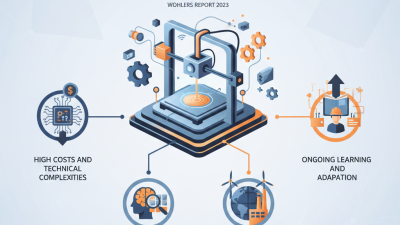
The Wohlers Report 2024 valued the global additive manufacturing industry at $20.035 billion in 2023, showing how quickly professional workflows are expanding. Still, market growth does not guarantee jewelry accuracy. Test a small ring with thin walls, lettering, and a sharp setting before buying. I would also inspect dimensional repeatability across several builds, not just one successful sample. A 50-micron specification sounds precise. It does not replace hands-on validation. Small details often fail during washing, support removal, or casting preparation.

Top 3D Printer Types for Jewelry: Layer-Height Comparison

Smaller layer heights generally produce smoother surfaces and sharper details for rings, charms, and intricate settings. The values shown are representative minimum layer-height settings commonly available across jewelry-focused resin and wax 3D printing technologies. Final results also depend on XY resolution, calibration, resin or wax properties, and post-processing.

Materials, Resolution, and Production Speed Considerations

Top 3D Printers for Jewelry Buying Guide

Materials determine whether a jewelry printer suits your workflow. Castable resin can produce delicate rings, but burnout results vary between formulas. Always request technical data and test a small model before regular production. Wax-like materials may burn out more predictably, although they can cost more. Durable resin is useful for fitting models, not direct casting.

Resolution affects prongs, engraving, and small surface textures. A 25–50 micron layer height usually gives smoother curves than thicker settings. XY resolution matters too, especially around a 0.3-millimeter channel. Inspect printed edges under magnification. High resolution cannot repair poor supports or incorrect exposure. I once focused on layer height and overlooked support marks, which created extra polishing work.

Production speed involves more than the advertised print time. A printer may expose each layer quickly, yet washing, curing, support removal, and inspection still take hours. Choose a machine with stable temperature control and repeatable calibration. Faster production is valuable only when rejection rates stay low. Measure actual output over several weeks, including failed prints and cleanup time. That record is less exciting, but far more reliable than a single demonstration. A practical test should include a thin band, a sharp setting, and a textured pendant. Compare detail, dimensional accuracy, casting behavior, and labor before committing to larger batches.

How to Choose the Right 3D Printer for Your Jewelry Business

Top 3D Printers for Jewelry Buying Guide

Choosing the right 3D printer begins with your jewelry workflow, not its advertised resolution. Decide whether you need casting patterns, fitting models, or detailed display pieces. Wax-compatible or castable resin often matters more than speed. A ring with tiny prongs can reveal weak layer adhesion quickly. Test samples before committing to regular production.

Check XY resolution, layer height, build volume, and repeatability. High resolution helps preserve engraving and stone settings, but it cannot fix poor design files or incorrect exposure. For small studios, a compact printer may reduce material waste. Larger workshops may need multiple machines for stable daily output. Consider ventilation, cleaning equipment, resin storage, and replacement parts. These costs are easy to underestimate.

Tips: Print a ring, a pendant, and a thin claw before buying. Measure them after curing. Ask whether technical support explains calibration clearly. Keep a record of exposure settings, temperature, and failed prints. A cheaper printer may become expensive through wasted resin and labor. I have found that perfect-looking test prints can still fail during casting. That possibility deserves honest planning.