
contact-button

Which Bolt Nut Types Are Best for Buyers in 2026?

In 2026, choosing a Bolt Nut is less about picking the cheapest item on a supplier’s list and more about matching the fastener to the joint. A hex nut may suit a standard assembly, while a flange nut spreads contact pressure across a wider surface. Nylon-insert lock nuts can help resist loosening in some applications, but heat, chemicals, and repeated use may limit their suitability. Small details matter. Thread fit, material, coating, load, vibration, and installation method all affect performance.

Bolted-joint authority John H. Bickford’s work offers a useful guiding principle. A practical paraphrase is: “Choose the nut for the joint, not just the bolt.” That distinction can prevent costly mismatches. A stainless nut paired with an incompatible bolt, for example, may create corrosion concerns; a locking feature may also be unnecessary in a stable, low-vibration assembly. Buyers should check product specifications and confirm compatibility with a qualified engineer when the application carries significant risk.

There is no single best type for every buyer. Not even close. This guide compares common Bolt Nut types by function, environment, and purchasing priorities, including availability and total cost. It also considers where a familiar choice may fall short. I still see selection decisions reduced to size and price, even when the service environment deserves more attention. A few careful checks can make the difference between a dependable joint and an avoidable maintenance problem.
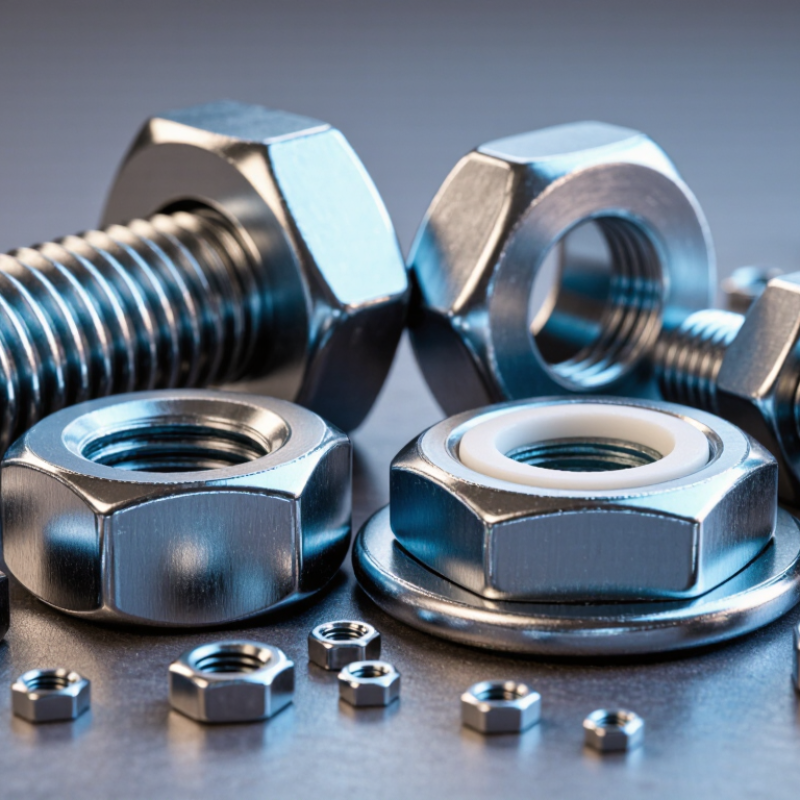
Which Bolt Nut Types Are Best for Buyers in 2026?

Understanding Bolt and Nut Types and How They Work

Which Bolt Nut Types Are Best for Buyers in 2026?
Understanding Bolt and Nut Types and How They Work

Bolts and nuts work together to clamp parts, but their shapes and threads suit different jobs. A hex-head bolt is common for general assembly because a wrench can grip its six-sided head. Carriage bolts have rounded heads and a square neck that helps resist turning in wood. Nuts match the bolt’s thread size and pitch; a mismatch can damage threads before the joint is secure. Small details matter.

Material and joint conditions guide the choice. Stainless steel can resist corrosion in damp settings, while alloy steel is often selected where strength is important. A nylon-insert lock nut helps resist loosening from vibration, but heat may limit its use. A washer can spread pressure across a softer surface. Tightening creates clamping force, yet “tighter” is not always safer. Excess force can stretch a bolt or crush the parts. It is easy to focus on the nut and overlook the joint itself.

Tips: Check thread diameter, pitch, material, and expected load before buying. Hand-start the nut; it should turn smoothly. If it binds, stop and inspect the threads. For critical assemblies, follow the equipment maker’s torque guidance rather than guessing. Even a neat-looking fit can be wrong.

Which Bolt and Nut Types Are Best for Buyers in 2026?

Compare common metric bolt property classes by their nominal tensile strength.

Higher property classes indicate greater nominal tensile strength, but the best choice depends on the load, environment, and assembly. Pair bolts with compatible nuts of the appropriate property class; confirm requirements against ISO 898 and the application design.

Comparing Common Nut Designs for Different Fastening Needs

Which Bolt Nut Types Are Best for Buyers in 2026?

Comparing Common Nut Designs for Different Fastening Needs

Hex nuts remain a practical choice for general bolted joints. Their six flat sides fit standard wrenches, making installation and inspection straightforward. Use them where the joint needs predictable clamping force and routine access. Lock nuts help resist loosening from vibration, but their locking feature can wear after repeated reuse. Check the manufacturer’s reuse guidance instead of assuming every lock nut can be reused. Small details matter.

Flange nuts spread pressure across a wider bearing surface, which can help on softer materials or assemblies with limited room for a washer. They cannot compensate for weak or uneven surfaces. Wing nuts suit hand-adjusted covers and temporary fixtures, where tool-free access matters more than high tightening force. Cap nuts cover exposed bolt ends, reducing snag points and giving an assembly a finished appearance. Confirm the bolt does not bottom out inside the cap.

Tips: Match nut material and coating to the bolt and surrounding environment to reduce corrosion risk. Verify thread size, grade, and tightening torque against the assembly specification. A quick fit check is useful, but it does not replace checking the specifications. I would not treat a short catalog description as a complete selection guide.

Choosing Materials and Coatings for Strength and Durability

Which Bolt Nut Types Are Best for Buyers in 2026?
Choosing Materials and Coatings for Strength and Durability

Material and coating choices should match the bolt’s load, environment, and service life. For high-load assemblies, alloy-steel fasteners can provide high tensile strength; verify the property class against ISO 898-1. Stainless steel can resist corrosion in wet settings, but grade matters. It may also gall during tightening. The right choice is not always obvious.

Coatings add another trade-off. Zinc coatings can help protect carbon steel, while hot-dip galvanizing typically gives a thicker zinc layer. For high-strength fasteners, ask the supplier about coating controls and hydrogen-embrittlement risk. AMPP’s 2016 IMPACT study estimated corrosion costs the global economy US$2.5 trillion annually, about 3.4% of global GDP. That figure covers many industries, but it shows why corrosion protection deserves attention.

Tips: Check the fastener’s grade, coating specification, and installation torque together. Look for documented test results, not just “corrosion resistant” on a product sheet. Inspect threads and bearing surfaces before assembly. A coating can change fit. Small details matter. When conditions are severe, validate the choice with a qualified engineer; field exposure can differ from a neat test report.

Which Bolt Nut Types Are Best for Buyers in 2026? — Choosing Materials and Coatings for Strength and Durability

Nut type Typical material or specification Common finish or coating Strength and best use Durability considerations Buyer checks
Carbon-steel hex nut Often supplied in property classes 8, 10, or 12 to ISO 898-2; confirm the applicable standard and size range. Plain, zinc electroplated, zinc-flake coated, or hot-dip galvanized. A versatile choice for structural, machinery, and general industrial assemblies when the nut class is properly matched to the bolt. Uncoated steel can corrode in moisture. Coating performance depends on the process, coating thickness, and exposure conditions. Match nut and bolt property classes, thread pitch, and dimensions. For high-strength fasteners, check whether the coating process requires hydrogen-embrittlement controls.
Hot-dip galvanized hex nut Steel nut made for use in a compatible hot-dip galvanized fastener system. Hot-dip zinc coating. Useful for outdoor steelwork and other applications needing a substantial zinc coating. The coating is thicker than typical electroplating. Galvanized nuts may have specially sized or finished threads to fit galvanized bolts. Buy nuts and bolts as a compatible system. Confirm thread fit, coating specification, and installation requirements; do not assume standard uncoated threads will interchange.
Zinc-flake-coated steel nut Steel nut with a non-electrolytically applied zinc-flake coating; performance varies by coating system. Zinc flake, sometimes with a sealer or topcoat. Suitable where a corrosion-protective finish and controlled assembly friction are required, including many automotive and equipment applications. Non-electrolytic application generally avoids the plating-related hydrogen-embrittlement mechanism, but does not remove all risks associated with material or manufacturing processes. Request coating-system and corrosion-test details, plus friction or torque-tension data when clamp load matters. Check coating compatibility with the mating bolt.
Austenitic stainless-steel hex nut Common grades include A2 and A4; mechanical property classes such as A4-70 are defined under ISO 3506. Usually supplied passivated or with a cleaned natural finish; coatings are application-specific. Good choice for many wet or corrosive environments. A4 is generally selected over A2 for more demanding chloride exposure, subject to site conditions. Stainless steel can still suffer pitting or crevice corrosion in severe environments. Thread galling can occur, especially during fast installation. Match stainless grades and property classes. Consider suitable lubrication, installation speed, and galling controls; do not treat stainless as corrosion-proof.
All-metal prevailing-torque locknut Typically carbon or alloy steel; stainless versions are also available. Mechanical properties depend on the specified standard and design. Plain, plated, zinc-flake coated, or stainless finish, depending on material and application. Useful where resistance to loosening under vibration is needed and service temperature makes a polymer insert unsuitable. Prevailing torque and reuse capability vary by design, coating, and specification. Corrosion protection is determined by the base material and finish. Confirm the required locking standard, installation torque, temperature range, and permitted reuse. Check that the coating does not compromise thread fit or locking performance.
Nylon-insert locknut Steel or stainless nut with a polymer insert; metal strength class and insert temperature limits are separate considerations. Finish follows the metal body, commonly zinc-coated steel or stainless steel. A practical locking option for many general-purpose assemblies exposed to vibration at moderate temperatures. The polymer insert can limit service temperature and may be unsuitable for some chemicals, repeated disassembly, or high-temperature environments. Verify the insert’s temperature and chemical compatibility, the nut’s metal property class, and any rules on reuse for the application.

Selection note: Verify the applicable product standard, dimensions, property class, coating specification, and service conditions before purchase. A nut’s strength and corrosion resistance depend on its exact specification and the complete bolted-joint system.

Matching Bolt-Nut Combinations to Applications and Environments

For buyers in 2026, the right nut depends on the bolt, the load, and the environment. A high-strength steel bolt generally needs a compatible nut with suitable strength and thread fit. For outdoor equipment, hot-dip galvanized fasteners can offer durable protection, but the bolt and nut coatings must be compatible. Stainless steel suits many damp or corrosive settings, though it can gall during tightening. Use suitable lubrication and controlled installation torque; “stainless” alone is not a complete specification.

Consider the exposure, not just the material label. In coastal air, salt spray can quickly challenge ordinary zinc-plated hardware. For machinery exposed to vibration, a locking nut may help resist loosening, but it should not replace correct preload or inspection. In wet settings, mixing dissimilar metals can increase galvanic corrosion risk. A corrosion-resistant bolt paired with an unsuitable nut is still a weak combination.

The NACE IMPACT study estimated global corrosion costs at US$2.5 trillion annually, or 3.4% of global GDP, and noted that prevention practices could save 15–35% of those costs. That 2016 estimate is broad, not a fastener-specific forecast, but it shows why specifying materials matters. Check operating temperature, chemicals, vibration, and maintenance access before ordering. One detail is easy to miss: a coating can change thread fit, so verify assembly compatibility rather than choosing by appearance.

Evaluating Cost, Availability, and Standards for 2026 Purchases

For 2026 purchases, the best nut is the one that matches the bolt, load, environment, and maintenance plan. Standard hex nuts are often economical and widely stocked. Flange nuts can spread pressure across a broader surface, while prevailing-torque lock nuts help resist loosening under vibration. Fit comes first. A low unit price means little if the thread pitch or material is wrong.

Compare total cost, not just the price per piece. Include washers, coatings, inspection, freight, and the cost of carrying extra stock. Common metric and imperial sizes are usually easier to source than unusual dimensions. Availability can still vary by material and finish, so confirm lead times before setting a production schedule. A small sample order can reveal fit or coating issues before a larger commitment.

Check the specification against the actual application. ASTM, SAE, and ISO documents cover different product and performance requirements; the correct reference depends on the nut type, material, and assembly. Confirm grade or property class, dimensions, finish, and any testing or traceability requirements on the supplier’s documentation. One weak point in purchasing plans is assuming that similar-looking nuts are interchangeable. They are not always. In practice, teams may also overlook how a coating affects thread fit. That detail deserves a fit check.