


Design and development by Raincastle Communications.

Choosing the right machine begins with understanding the heat lamination machine price, not chasing the lowest listing.
This guide examines ten practical options for offices, print shops, schools, and light packaging operations. A compact 13-inch pouch laminator may suit certificates and menus. A 27-inch roll laminator may handle posters, banners, and short production runs. The difference is more than size. Heating speed, roller width, temperature control, film compatibility, and duty cycle can change the real investment.
Industry reports provide useful context. Grand View Research identifies expanding demand for laminating equipment across commercial printing, packaging, and industrial applications. Smithers’ packaging market studies also show continued growth in value-added finishes, where protection and presentation influence purchasing decisions. PMMI research highlights automation, labor efficiency, and equipment reliability as continuing concerns for packaging users. These findings support a practical point: a cheaper machine may cost more when heating is inconsistent or film waste increases.
The numbers are not perfectly aligned. Report methods, regions, and product definitions differ. That deserves careful reflection. Buyers should compare supplier quotations, warranty terms, replacement rollers, energy use, and operator training. A machine priced at $300 can become less attractive after frequent jams and uneven sealing. Conversely, a higher-priced model may repay its cost through faster throughput and fewer rejected sheets.
Our ten-machine comparison focuses on measurable value. It considers purchase price, operating costs, working width, warm-up time, safety features, and realistic workload. Readers should still verify specifications with manufacturers before ordering. Prices change quickly, and online listings may exclude shipping, tax, installation, or essential accessories.
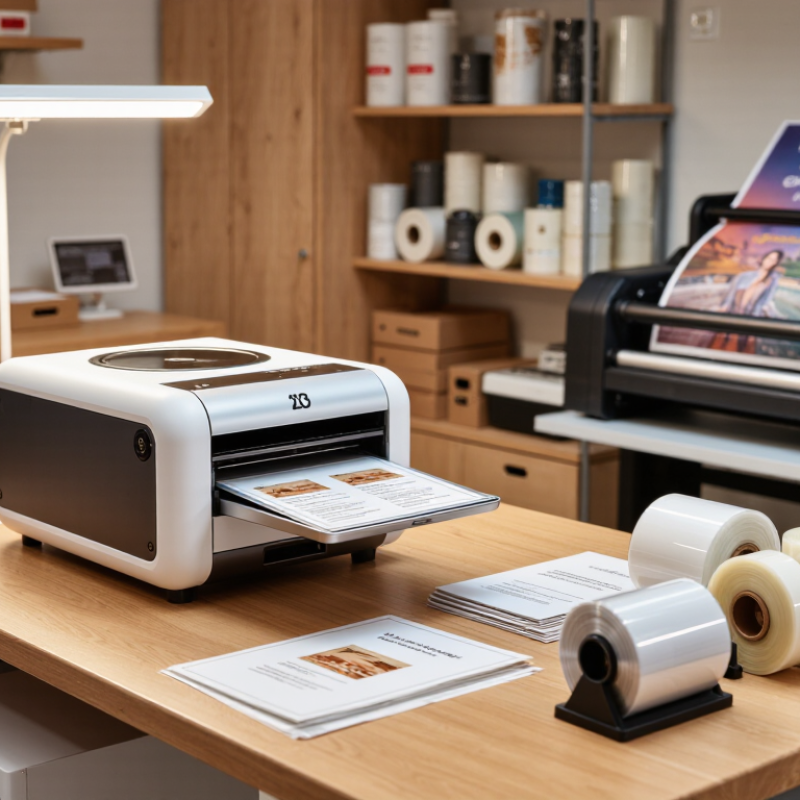
Heat lamination machines protect documents, labels, menus, and classroom materials from moisture, stains, and daily handling. Their main types are pouch, roll, and cold laminators. Pouch models suit occasional office work. Roll machines handle larger sheets and steady production. Cold laminators use pressure-sensitive film, not heated rollers. They can protect heat-sensitive graphics. Each type changes the buying equation.
Pouch machines commonly cost about 30 to 300 US dollars. Office roll models often range from 300 to 2,000 dollars. Industrial systems may exceed 20,000 dollars, depending on width, speed, and automation. These are practical market ranges, not fixed quotations. According to Grand View Research, the global laminating machines market was valued at approximately 1.1 billion dollars in 2023. Its growth reflects demand from commercial printing, packaging, education, and signage.
Temperature control matters. A thin pouch may need around 100 to 120°C, while thicker films require more heat and slower feeding. Operators should match film thickness with machine capacity. A heated roller can produce glossy, durable surfaces, but excessive heat may warp paper or weaken colors. That rule is useful, but not perfect. Humidity, ink type, and paper coating also affect results. Smithers’ packaging and print industry analysis identifies finishing quality as a practical differentiator, especially for short-run and customized work. Buyers should compare roller width, warm-up time, anti-jam design, warranty coverage, and replacement-film costs. The cheapest machine can become expensive through waste.
A practical comparison of common heat lamination machine categories, typical specifications, functions, applications, and estimated retail price ranges in U.S. dollars.
| Rank | Machine Type | Typical Price Range (USD) | Maximum Laminating Width | Typical Pouch or Film Thickness | Warm-Up Time | Operating Speed | Main Functions | Common Uses | Best For | Important Buying Considerations |
|---|---|---|---|---|---|---|---|---|---|---|
| 1 | Basic A4 Pouch Laminator | $25–$80 | Up to 9.5 inches / 240 mm | 3–5 mil pouches | 2–5 minutes | 250–400 mm/min | Hot pouch lamination, simple document protection, jam release on selected models | ID cards, certificates, menus, school worksheets, photographs, and small signs | Home users, teachers, students, and occasional office use | Check pouch compatibility, roller count, anti-jam function, and automatic shut-off. |
| 2 | A3 Office Pouch Laminator | $70–$220 | Up to 13 inches / 330 mm | 3–10 mil pouches | 1–4 minutes | 300–600 mm/min | Adjustable temperature, multiple pouch settings, reverse or jam-release function | Posters, teaching materials, restaurant displays, construction drawings, and office signage | Small offices, classrooms, retail stores, and frequent document users | Look for adjustable heat controls, a wider entry slot, stable feed rollers, and continuous-duty capability. |
| 3 | High-Speed Commercial Pouch Laminator | $250–$900 | Up to 13 inches / 330 mm | 3–10 mil pouches | 1–3 minutes | 600–1,500 mm/min | Fast thermal lamination, automatic temperature control, stronger roller pressure, high-volume feeding | Bulk reports, training materials, menus, retail graphics, and repeated daily production | Copy centers, schools, print rooms, and busy offices | Evaluate duty cycle, motor durability, cooling design, feed alignment, and replacement-part availability. |
| 4 | Wide-Format Hot Roll Laminator | $700–$3,500 | 27–65 inches / 690–1,650 mm | Film commonly 1.5–10 mil | 5–15 minutes | 1–6 m/min | Roll-film thermal lamination, adjustable heat and pressure, tension control, continuous production | Posters, banners, maps, photographs, retail graphics, and large-format prints | Sign shops, photo labs, schools, and graphics departments | Confirm maximum media width, roll-core size, film compatibility, floor space, and electrical requirements. |
| 5 | Cold-and-Heat Combination Laminator | $450–$2,500 | 13–65 inches / 330–1,650 mm | Thermal and pressure-sensitive films | 3–12 minutes for hot mode | 1–5 m/min | Hot lamination, cold lamination, adjustable pressure, and support for heat-sensitive media | Printed graphics, vinyl decals, photographs, mounting applications, and heat-sensitive materials | Print service providers and users handling mixed media | Check whether cold-film operation requires a separate adhesive roll and verify pressure adjustment accuracy. |
| 6 | Industrial Roll Laminator | $3,000–$15,000+ | 40–65 inches / 1,000–1,650 mm | Film commonly 1.5–10 mil | 10–25 minutes | 2–15 m/min | High-volume roll lamination, precise temperature control, powered rollers, web alignment, and long production runs | Commercial graphics, packaging components, educational charts, and continuous print finishing | Professional print production and manufacturing environments | Budget for installation, ventilation, operator training, maintenance, energy use, and service support. |
| 7 | Photo and Graphic Finishing Laminator | $1,200–$6,000 | Up to 65 inches / 1,650 mm | 1.5–5 mil films are common | 5–15 minutes | 1–8 m/min | Low-temperature thermal finishing, adjustable nip pressure, smooth film application, and photo-safe operation | Fine-art prints, photographs, exhibition graphics, display panels, and professional signage | Photo labs, art studios, galleries, and specialty print shops | Prioritize temperature uniformity, roller surface quality, pressure consistency, and optical clarity of finished work. |
| 8 | Educational and Library Laminator | $180–$850 | Up to 27 inches / 690 mm | 3–10 mil pouches or roll film | 2–8 minutes | 300–1,200 mm/min | Thermal pouch or roll lamination, easy controls, jam prevention, and repeated short-run operation | Flashcards, classroom posters, library labels, learning aids, and reusable activity sheets | Schools, libraries, training centers, and community organizations | Choose a model with accessible controls, safe external surfaces, automatic shut-off, and simple cleaning procedures. |
| 9 | Industrial Board or Mounting Laminator | $2,500–$12,000+ | Up to 65 inches / 1,650 mm | Film and mounting media vary by application | 8–20 minutes | 1–8 m/min | Thermal bonding, pressure lamination, board mounting, adjustable nip gap, and controlled material feeding | Foam-board signs, rigid displays, promotional panels, and layered graphic products | Sign production, exhibition manufacturing, and commercial display fabrication | Confirm maximum substrate thickness, roller opening, pressure range, loading method, and workspace requirements. |
| 10 | Compact Desktop Roll Laminator | $250–$1,200 | 13–27 inches / 330–690 mm | 1.5–10 mil roll film | 3–10 minutes | 0.5–3 m/min | Compact roll-film lamination, adjustable heat, manual or automatic film tension, and space-saving operation | Small posters, classroom materials, short-run graphics, labels, and office displays | Small businesses, studios, schools, and limited-space workrooms | Compare footprint, roll loading method, maximum media thickness, film cost, and availability of replacement rollers. |
Price guide note: The listed prices are typical estimated retail ranges for new equipment in the United States and can vary according to working width, automation, roller system, production speed, accessories, shipping, taxes, and service coverage. Pouch thickness is commonly measured in mil, where 1 mil equals 0.001 inch. Always verify the machine’s electrical requirements and the manufacturer’s recommended film specifications before purchase.
Design and development by Raincastle Communications.
 Customer Support
 Request Sample
 Contact