What Is the Best Money Bill Counter Machine in China?
Choosing the best Money Bill Counter Machine in China depends less on a single brand name and more on the work it must handle. A small shop counting daily cash has different needs from a busy cash office processing mixed denominations. Buyers should compare counting speed, hopper capacity, batch functions, display clarity, and the currencies supported. Fast is not always better. A machine that jams or misreads notes can slow the whole process.
Detection features also deserve careful attention. Ask which checks are included, such as UV, magnetic, infrared, or size detection, and whether they suit the banknotes you handle. No single feature proves every note is genuine. Test the machine with clean, worn, and folded notes before making a decision. That practical step can reveal quirks that a specification sheet misses.
After-sales support matters too. Confirm warranty terms, access to replacement parts, and the availability of clear operating instructions. If possible, request a live demonstration using your typical cash batches. A polished brochure can still leave basic questions unanswered. Compare several suppliers, not just their headline prices. The best choice is usually the machine that counts reliably, fits your daily volume, and can be maintained without unnecessary delays. There is no perfect model for every workplace; even a capable machine may need careful setup and routine cleaning.
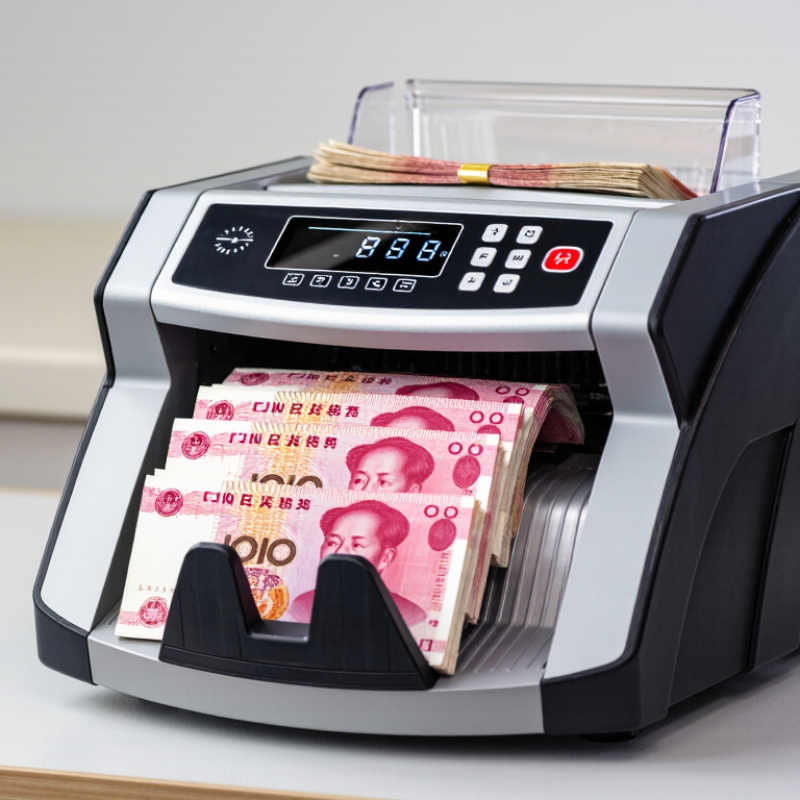
What Is a Banknote Counter? Core Functions and Commercial Uses in China
What Is the Best Money Bill Counter Machine in China?
A banknote counter is a practical cash-handling device used to count notes quickly and consistently. In China, shops, restaurants, cash offices, and financial institutions may use one during daily cash reconciliation. Common functions include automatic counting, batch settings, adding several bundles together, and detecting possible note irregularities. Features vary by machine, so buyers should check supported currencies, note sizes, and counting modes before choosing.
A counter can reduce repetitive work, but it does not replace careful handling. Staff can compare the machine’s total with sales records and check any notes flagged for review. Some devices identify denominations, while others only count note quantity. Detection systems can also produce false alerts, especially when notes are worn, folded, or fed unevenly. In practice, the workflow is not always neat. Small details matter.
Tips: Feed notes in aligned stacks, remove clips and damaged notes, and clean the feed path as directed by the manufacturer. Test batch settings before a busy shift. Keep a simple record of totals and exceptions. A machine supports accurate reconciliation; attentive staff still make the final decision.
How Do Money Bill Counters Work? Sensors, Feeders, and Batch Counting
A banknote counter moves notes from its hopper through a narrow feeding path. Rubber rollers separate the stack and guide bills past sensors, usually one at a time. Optical or infrared sensors register each passing note and send count data to the display. The rollers matter more than they look. If notes enter crooked, feeding may become uneven.
Some machines also use thickness or ultrasonic sensors to flag overlapping notes. Optional ultraviolet or magnetic checks may help identify features, but they do not guarantee that every note is genuine. Batch counting works differently from a simple running total: set a target, such as 100, and the machine stops or signals when that number is reached. Operators can then remove the bundle and continue. A small pause can prevent a messy stack.
For use in China, compare supported note types, counting speed, jam alerts, and ease of cleaning rather than relying on speed claims alone. Place notes flat, align their edges, and avoid overfilling the hopper. Dust builds up. Worn rollers can also cause skipped or double-fed bills, so periodic cleaning and test counts are practical checks. I would still recount an unusually mixed or damaged stack; machines are helpful, but not infallible.
Which Performance Specs Matter? Compare 1,000–1,500 Notes per Minute
For a money bill counter in China, 1,000–1,500 notes per minute sounds decisive, but it is only a headline rating. At 1,000 notes per minute, 10,000 notes take a theoretical ten minutes; at 1,500, about six minutes and 40 seconds. Real batches slow when notes are folded, worn, or mixed across denominations. Treat peak speed as a ceiling, not a promise. Test with the actual RMB mix, not just crisp sample notes. Also confirm whether the quoted rate applies to simple counting or value counting.
But speed is not accuracy. Check hopper capacity, continuous-feed performance, reject handling, and detection features such as ultraviolet, magnetic, and infrared sensors. Ask for documented error and reject rates using circulated notes. The Federal Reserve’s 2024 Diary of Consumer Payment Choice reports that cash made up 16% of U.S. payments by number in 2023. The European Central Bank’s Annual Report 2023 records 29.8 billion euro banknotes in circulation at year-end. These reports describe ongoing cash use, not machine performance. A practical comparison should therefore measure both counting time and how often staff must stop, recount, or inspect rejected notes.
How Is Counterfeit Detection Assessed? UV, MG, and IR Checks
A money counter should do more than move notes quickly. Its counterfeit checks need to combine several signals, because no single sensor can reliably assess every note condition. UV, MG, and IR checks each look for different features. Together, they offer a more useful screening process.
UV checks illuminate security features that react to ultraviolet light. In practice, a user might see a marked area appear under the machine’s lamp. MG sensors look for magnetic properties in designated parts of a note, while IR sensors read how materials respond to infrared light. Each check can raise a warning when a reading differs from the machine’s settings. Simple, but not foolproof.
When comparing machines in China, ask how detection is tested across note types and worn notes. Try clean and creased bills, then check whether alerts are clear and repeatable. A false alert can interrupt a busy cashier; a missed warning matters more. Ask about sensor cleaning and calibration, too. Dust on a sensor can affect results. I would not treat a single successful test as proof of dependable detection; that assumption is easy to make, and easy to regret.
How to Choose a Counter in China: Hopper Capacity, Currency, and Service
What Is the Best Money Bill Counter Machine in China?
The best counter depends on your daily cash volume, note types, and support needs. Check hopper capacity against your usual batch size, not just the machine’s maximum rating. A busy cashier handling thick stacks may need a larger hopper; a small office may value a compact unit instead. Test several worn and crisp notes, since feeding can vary. It is easy to overlook this detail.
Tips: Confirm which currencies and note versions the machine supports. Ask whether it counts mixed denominations or only totals pieces. Try a real batch before buying, and check the display from your normal working position.
Service matters after installation. Ask about warranty coverage, spare-part availability, and technician response times in your area of China. Request clear instructions for cleaning sensors and clearing jams. Dust from frequent use can affect feeding and detection, so routine maintenance should be practical. Compare the service terms in writing. A low price may look attractive, but waiting days for a simple repair can interrupt daily work. One point worth reconsidering: the biggest hopper is not always the best choice if your counter space is limited.
Choosing a Money Bill Counter in China: Hopper Capacity
Hopper capacity is the number of banknotes a counter can hold before processing. Capacities of around 500, 1,000, and 2,000 notes are representative options found across different counter types; they are not standardized categories. Choose based on typical batch size, available workspace, and how often staff can reload the hopper. Before buying, confirm the exact capacity and supported currencies for the specific model.



 Customer Support
 Request Sample
 Contact