What Is the Best Pallet Banding Kit for 2026?
Choosing the best Pallet Banding Kit for 2026 starts with the load, not the product label. A warehouse moving boxed appliances needs different strap widths, tension, and sealing options than a small shop securing cartons for occasional shipping. Consider pallet size, load weight, edge shape, and how often workers band loads during a shift. Small details matter. A kit that feels manageable on one pallet may become tiring across a full afternoon.
This guide compares kits by practical factors: compatible strap materials, tensioning method, seal or buckle style, tool durability, and replacement-part availability. It also checks what comes in the box; a low price can mislead if seals, cutters, or spare components cost extra. For consistent results, operators should follow the manufacturer’s instructions and check that each finished load remains stable before transport. These checks help, but they cannot replace testing a kit with your actual loads. No single option suits every operation. The right choice balances reliability, ease of use, and ongoing cost, while allowing time for training and maintenance. Some listings make comparisons harder than they should be, so verify specifications with the supplier before purchasing.
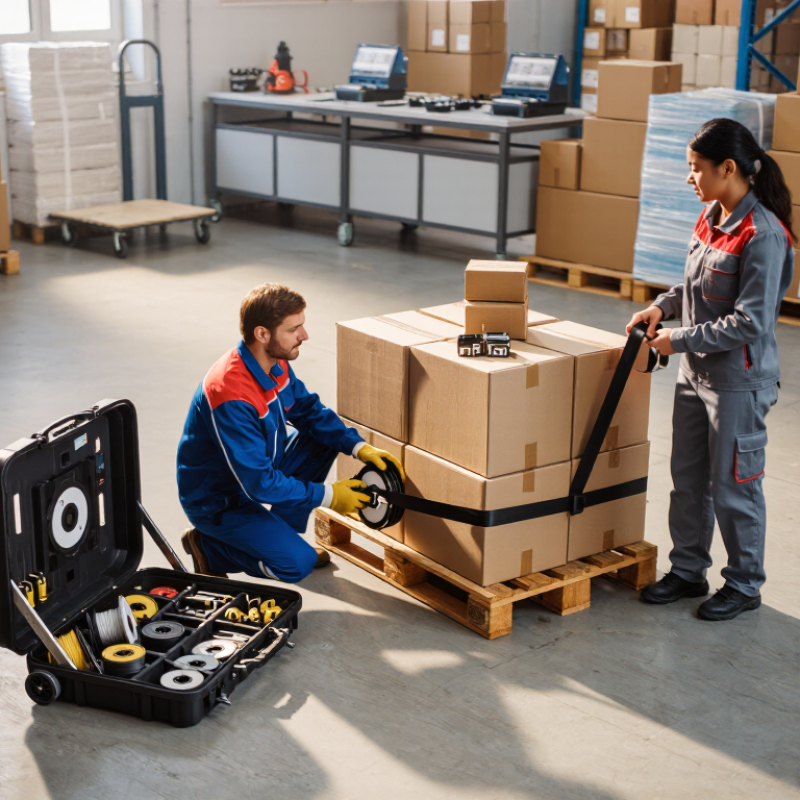
What a Pallet Banding Kit Is and How It Works
What Is the Best Pallet Banding Kit for 2026?
What a Pallet Banding Kit Is and How It Works
A pallet banding kit contains tools and supplies for securing a load with plastic or steel strap. A typical manual kit may include a tensioner, a sealer or buckle, cutters, and a strap dispenser. The strap wraps around the goods and pallet, then the tensioner pulls it snug. A compatible seal or buckle keeps it in place. Some systems join strap with a heat or friction weld, so check that the joining tool matches the strap. The kit does not replace sound stacking or wrap; it helps keep a stable load together during handling.
One easy-to-miss detail is strap tension. Too little can let cartons shift; too much may crush boxes or damage edges. Match strap type and width to the load, and follow the tool maker’s operating instructions. For heavy or irregular loads, use edge protectors where needed and verify the finished pallet is stable before moving it. No kit fixes a poorly arranged load.
Tips: Keep the strap path clear of sharp corners. Test the seal or buckle before lifting. Store tools dry, and check tensioners and cutters for wear. If the strap slips, pause and inspect the fit rather than simply pulling harder. A small adjustment can prevent a loose load.
What Is the Best Pallet Banding Kit for 2026?
A pallet banding kit typically includes strapping, a tensioning tool, a sealer or buckle, and a cutter. The tool tightens the strap around the load, then the closure secures it. Choose a kit that matches the strap material and width required for your load.
Commonly available strap widths are shown as examples, with approximate inch conversions. These dimensions are not load ratings; confirm kit compatibility and select strapping based on the load and shipping conditions.
Key Components Found in a Complete Banding Kit
A complete pallet banding kit should match the load, not just the strap. It typically includes polypropylene or polyester strapping, a tensioner, a sealer, compatible seals, and a dispenser. The dispenser keeps the coil steady and off the floor. That small detail matters.
The tensioner pulls the strap tight; the sealer closes the joint. Some manual kits use one tool for both tasks, while separate tools can be easier to handle on frequent jobs. Check strap width and thickness before buying, because tools and seals must fit them. For heavy or uneven loads, test the finished joint and watch for strap loosening during handling. A tidy wrap is not proof of a secure pallet.
MHI’s 2024 Annual Industry Report found that 55% of surveyed supply-chain professionals planned to increase technology investment. The report does not compare banding kits, but it highlights the value of choosing equipment that fits real workflows.
Keep spare seals, a safe strap cutter, and clear setup instructions nearby. I would not assume one kit suits every pallet; measuring a few typical loads first can prevent a frustrating mismatch.
Banding Materials and Tools Compared for Pallet Loads
A pallet banding kit is only as dependable as its match to the load. Polypropylene (PP) often works well for lighter, stable cartons and short storage periods. Polyester (PET) usually retains tension better when heavier loads may shift during handling. Steel banding can suit rigid, very heavy loads, but it needs compatible tools and careful handling. No material fits every pallet.
Compare the complete kit, not just the strap. A manual tensioner and sealer can be practical for occasional packing, while a battery-powered tool may save effort on frequent loads. Check the strap width and thickness, seal type, tool compatibility, and dispenser capacity before buying. A dispenser that feeds smoothly can prevent frustrating tangles. Edge protectors also help reduce strap damage on sharp carton corners.
Test the chosen setup on a representative pallet before using it at scale. Watch for loose bands after handling, crushed cartons, or strap edges cutting into packaging. These small signs can reveal a poor material match or uneven tension. A tighter band is not always safer; it may damage the load. Real loads are messy, and specifications alone do not tell the whole story. I would reassess the choice after a few shipments.
Criteria for Choosing a Pallet Banding Kit in 2026
Choosing a pallet banding kit in 2026 starts with the load, not the tool. Record pallet dimensions, approximate weight, and whether cartons shift during handling. Match strap material and width to the load and the kit’s stated compatibility. Polypropylene may suit lighter, stable loads; polyester can be appropriate for tougher shipping demands. For heavy or irregular loads, check the tool’s tension range and consider corner protection. No kit fits every load.
A useful kit should include compatible strapping, a tensioner, a sealing method, and spare seals or clips. Check whether it uses metal seals, buckles, or heat-welded joints; mismatched components can weaken a closure. Manual tools are portable and simple, while powered tools may reduce repeated effort in busy areas. Power does not fix poor loading. Consider battery availability, tool weight, replacement parts, and whether operators can inspect each finished joint easily.
Ask for clear operating instructions and compatibility details, then trial the kit on your actual pallets. Measure whether straps loosen, inspect seals, and note operator fatigue during a normal shift. Test it first. A short trial can reveal awkward controls or excess strap waste that a specification sheet misses. Purchase price alone can mislead; maintenance and consistent closures matter too.



 Customer Support
 Request Sample
 Contact