
10 Best Walk Path Lights for Gardens in 2026
A garden path changes after sunset. Wet stone catches glare, while a low border can disappear into shadow. The best Walk Path Lights make edges easier to see without turning a quiet garden into a brightly lit corridor. For 2026, this guide compares fixtures by beam direction, brightness, power source, weather resistance, and installation needs.
Energy use matters too. The U.S. Department of Energy reports that LED bulbs use at least 75% less energy and last up to 25 times longer than incandescent bulbs. Those figures do not guarantee a good fixture, though. Shielding, spacing, and a warm color temperature can matter just as much as efficiency. Lighting researcher Dr. Mariana Figueiro has said, “Light is the most important environmental input to the human body.” Her work focuses on light and health, not garden products, but the reminder fits: light affects how a space feels, not only what we can see.
Subtle wins. A path with evenly spaced, shielded lights may feel safer and calmer than one with a few harsh pools of brightness. Still, no single design suits every garden. Trees grow, layouts change, and solar performance can disappoint in shaded corners. This roundup considers those trade-offs alongside useful features, so readers can choose Walk Path Lights that suit their paths, climate, and evening routines.
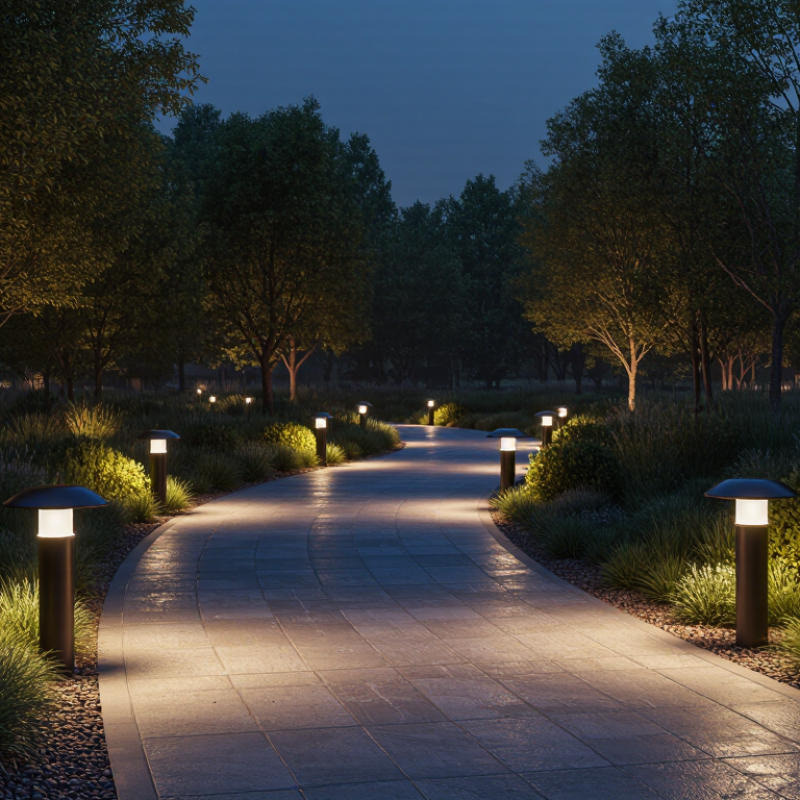
Table of Contents [Hide]
Understanding Walk Path Lights and Their Role in Garden Design
Walk path lights shape how a garden feels after dusk, not just where people walk. Low, evenly spaced fixtures can reveal a winding edge without flooding nearby plants with glare. Their gentle pools of light help visitors notice paving changes, roots, and steps. Light should guide. It should not compete with the moon or erase the garden’s darker corners.
Placement matters more than brightness alone. A useful approach is to stand at the path entrance after sunset and check whether the next section is easy to read. On narrow paths, lights placed on alternating sides can reduce a runway-like effect. Keep beams directed downward, and avoid aiming them toward windows or seated guests. Warm-toned light often sits more comfortably beside foliage and stone, though the right choice depends on the garden’s colors and surroundings. Less can work. I would still question any layout that looks perfect in daylight but creates harsh spots at night. Consider maintenance, too: leaves can cover low fixtures, and wet ground may reflect more light than expected. A thoughtful design leaves room for both safe movement and quiet shadow.
Key Features to Consider When Choosing Garden Path Lights
Choose garden path lights by examining the ground they illuminate, not just their stated brightness. A narrow beam can leave dark gaps, while an exposed lamp may shine into eyes or bedroom windows. Look for shielded optics, adjustable spacing, and a warm color temperature; DarkSky International recommends 3,000 kelvin or lower for outdoor lighting. Less glare matters. A layout that looks balanced at noon can feel harsh after dusk, so test one fixture before installing a full row.
Check weather protection, maintenance, and power needs. IEC 60529 defines IP ratings: for example, IP65 indicates dust-tight protection and resistance to water jets, but it does not guarantee survival in every climate or installation. For electric models, review cable routing and the manufacturer’s installation guidance. For solar models, assess daily sunlight; shaded beds and short winter days can reduce runtime. The U.S. Department of Energy’s LED lighting guidance reports that LEDs use at least 75% less energy and last up to 25 times longer than incandescent lighting. Those figures are a useful comparison, not a promise for every path-light fixture. I would still check replaceable parts and warranty terms before buying.
Garden Path Lights: Color Temperature Guide
Color temperature is measured in kelvins (K). Warm white is often chosen for a softer garden-path ambiance, while neutral and cool white appear progressively brighter and crisper. These ranges are common lighting classifications, not fixed product standards; check each light’s specifications and local outdoor-lighting guidance.
Types of Walk Path Lights and Their Lighting Technologies
Garden paths benefit from layered light. Bollard fixtures cast a broad pool across paving, while recessed lights sit nearly flush with stone edges. Spike-mounted lights are easier to reposition around flower beds. Step lights help reveal changes in height. Small details matter.
Most modern path fixtures use LEDs, powered by a low-voltage transformer or a built-in solar panel. The U.S. Department of Energy reports that LEDs use at least 75% less energy and last up to 25 times longer than incandescent lamps. Its LED Lighting guidance makes a useful baseline, though real service life depends on heat, moisture, and component quality. A label alone cannot tell the whole story.
Solar models avoid wiring and can suit sunny, open paths, but shade and short winter days may reduce evening output. Low-voltage systems offer more predictable light, though they need careful cable placement and a suitable transformer. Look for shielded optics that direct light downward, not into eyes or bedroom windows. Warm white light often makes stone and foliage feel calmer. I would still test spacing after dusk; paper plans can miss dark patches. Make adjustments. Lights that look balanced at noon may feel harsh at night.
Ten Best Walk Path Lights for Gardens in 2026: A Comparison
A useful 2026 comparison of ten garden walk lights should weigh more than appearance. Compare solar stakes, low-voltage LED bollards, shielded step lights, recessed markers, and motion-sensing fixtures by brightness, beam direction, weather resistance, and maintenance. For a garden path, even spacing and downward-directed light can reveal paving edges without washing out nearby plants. Check the actual lumen output, not just “bright” on the package. Looks bright. Feels harsh. A narrow beam can leave gaps between fixtures, while an exposed lamp may create glare at eye level.
Power source changes the trade-offs. Solar lights avoid wiring, but shade and short winter days can reduce their nightly runtime. Low-voltage wired models offer steadier output, though installation takes more planning. The U.S. Department of Energy’s Energy Saver guidance reports that LEDs use at least 75% less energy and last up to 25 times longer than incandescent lighting. That comparison supports choosing efficient LEDs, but it does not guarantee equal performance across every fixture. Compare stated runtime, replaceable batteries, corrosion-resistant materials, and the warranty terms. A small detail matters: test the spacing after dusk, when a path’s dark patches become obvious. I would still question any ranking that treats maximum brightness as the best result; comfort and visibility are not the same thing.
How to Position and Maintain Garden Path Lights
Good path lighting should guide a person, not make the garden look like a runway. Walk the route at dusk and note turns, steps, and uneven paving. Place lights along the edges, staggering them where possible to create an even line. Spacing depends on brightness and beam shape, so test a few before installing the rest. Keep light out of eye level and away from spots where feet, mower wheels, or edging tools may hit it. Wet stones can reflect more light than expected. I still find that easy to misjudge.
After dark, check for gaps and harsh glare from a seated position as well as while walking. Trim plants that hide the light, but leave room for seasonal growth around each fixture. For solar models, position panels where they receive useful daylight; a shady corner may leave them dim by evening. Wipe panels and lenses with a soft, damp cloth, and remove soil or fallen leaves after storms. Check that stakes remain upright and fittings stay dry. If a light keeps shifting, the soil may need firming, though very hard ground can make repositioning awkward. Recheck the layout as plants mature.