contact-button

Why Choose a Powder 3D Printer for Your Business Needs?

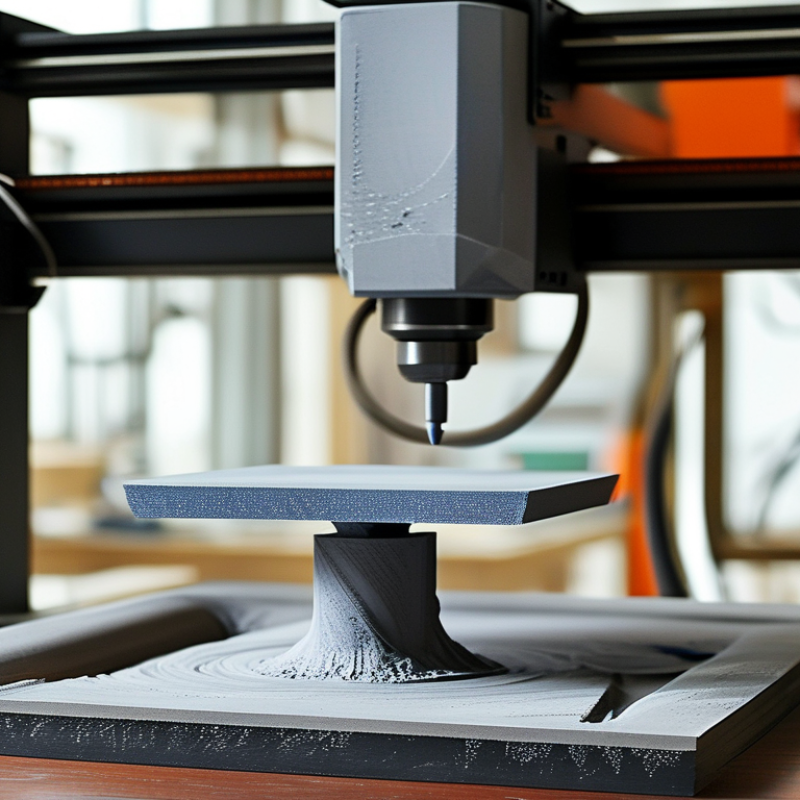
In today's competitive landscape, businesses are seeking innovative solutions to enhance their production processes. Enter the powder 3D printer, a game-changing technology that allows for high precision and efficiency in manufacturing. Dr. Emily Thompson, a leading expert in additive manufacturing, states, “Powder 3D printers have revolutionized the way industries approach prototyping and production.” This technology can produce complex geometries that traditional methods cannot achieve.

The advantages of powder 3D printing are evident. It enables cost-effective production of small and large batches while reducing material waste. Companies can create customized parts rapidly, meeting specific client needs. However, adopting this technology requires an understanding of its challenges, such as material selection and equipment costs.

As industries increasingly integrate powder 3D printers, it’s essential for businesses to weigh their options. While the benefits are substantial, not every application may suit this method. A thorough assessment can lead to better decision-making, ensuring that companies leverage this technology to its fullest potential.
Why Choose a Powder 3D Printer for Your Business Needs?

Benefits of Powder 3D Printing for Manufacturing Efficiency

Powder 3D printing is transforming manufacturing efficiency across various industries. According to the 2022 Wohlers Report, the global 3D printing market is projected to surpass $35 billion by 2024. This growth highlights the increasing adoption of advanced technologies, including powder-based systems. These printers offer unmatched versatility and speed. They can produce complex geometries that are difficult to achieve with traditional methods.

One significant benefit of powder 3D printing is material efficiency. Reports indicate that up to 90% of the powder used can be reclaimed and reused. This reduces waste and lowers material costs, making processes more sustainable. Additionally, the ability to create lightweight components improves overall product performance. For industries like aerospace, even a slight weight reduction can lead to substantial fuel savings.

Despite its advantages, some challenges remain. The initial investment for a high-quality powder printer can be significant. Companies must evaluate long-term benefits against upfront costs. Another concern is the need for skilled operators. Understanding the intricacies of material properties is crucial to harnessing the technology effectively. As businesses navigate these hurdles, many are finding that the rewards of powder 3D printing significantly outweigh the challenges.

Key Industries Leveraging Powder 3D Printing Technology

Powder 3D printing technology is gaining traction across various industries due to its unique advantages. The aerospace sector, for instance, benefits greatly from this innovative method. Lightweight components can be produced, significantly reducing overall aircraft weight. This reduction leads to improved fuel efficiency and lower operational costs. However, the challenge remains in achieving consistent quality across batches, which requires ongoing monitoring and expertise.


The automotive industry is another key player embracing powder 3D printing. With this technology, businesses can create complex parts that were previously impossible using traditional methods. This not only streamlines production but also enhances design flexibility. Yet, companies face hurdles in material selection and post-processing techniques, as these can impact the final product's integrity. Effective research and development are essential in overcoming these obstacles.


Moreover, the medical field is leveraging powder 3D printing for customized implants and prosthetics. This tailored approach leads to better patient outcomes. Nevertheless, quality assurance processes must be stringent to ensure safety and efficacy. Collaboration among medical professionals, engineers, and regulatory bodies is crucial for advancing this technology responsibly. As industries continue to explore powder 3D printing, they must also reflect on their practices and adapt to evolving challenges.

Comparison of Powder 3D Printers and Other 3D Printing Methods

When considering 3D printing methods, powder printers stand out for their versatility. These machines use a powdered material that gets solidified layer by layer. Compared to filament-based printers, powder printers are more adept at creating intricate designs with high precision. According to a 2022 report by Wohlers, the powder bed fusion segment is expected to account for over 25% of the entire 3D printing market by 2026. This growth highlights the reliability and efficiency of powder 3D printing.

One key advantage of powder 3D printing is its ability to produce complex geometries. Traditional methods often struggle with challenging designs, resulting in higher production costs and longer lead times. Powder printers can easily produce components that are lighter and more durable than those made via other processes, such as FDM or SLA. However, the post-processing stage can sometimes be labor-intensive. It requires careful handling and finishing to meet quality standards.

Tips: Ensure your team is trained on powder handling. Dust can be a safety concern. Regularly assess your production goals. This helps identify if powder 3D printing aligns with your needs. With some reflection on these factors, businesses can make informed decisions about integrating powder 3D printers into their operations.

Why Choose a Powder 3D Printer for Your Business Needs? - Comparison of Powder 3D Printers and Other 3D Printing Methods

Criteria Powder 3D Printing FDM (Fused Deposition Modeling) SLA (Stereolithography)
Material Variety High (metals, ceramics, plastics) Limited (mostly thermoplastics) Moderate (resins)
Surface Finish Quality Excellent Good Very Good
Build Speed Fast (depends on part size) Moderate Slow
Post-Processing Requirements Moderate (cleaning, sintering) Low (minimal) High (curing, support removal)
Cost of Materials Moderate to High Low Moderate
Ideal Applications Functional prototypes, industrial parts Concept models, low-end production Detailed models, jewelry, dental parts

Cost-Effectiveness of Powder 3D Printing in Business Applications

Powder 3D printing has gained traction in various industries due to its cost-effectiveness. This method allows businesses to produce complex parts with minimal waste. Traditional manufacturing often results in surplus materials. In contrast, powder 3D printing enables targeted use of raw materials. This precision translates to significant savings over time.

Many companies have begun to notice the financial benefits of this technology. The initial investment in a powder 3D printer may seem high. However, the long-term savings on materials and labor can outweigh those upfront costs. Additionally, production times can be reduced significantly. Faster prototyping means quicker market entry for new products. Thus, businesses can respond more rapidly to customer demands.

There are still challenges to address in powder 3D printing. The process may require advanced training for staff. Not all employees will adjust quickly. Choosing the right materials can also be tricky. The balance between quality and cost must be carefully managed. These factors should be considered to fully leverage the potential of powder 3D printing in business.

Cost-Effectiveness of Powder 3D Printing in Business Applications

Future Trends in Powder 3D Printing and Business Innovations

Powder 3D printing is on the rise in various industries. As businesses seek innovative solutions, this technology offers unique benefits. It enables the creation of complex geometries, which traditional manufacturing cannot achieve. The need for customization also supports this shift.

One significant trend is the focus on sustainability. Companies are looking for ways to reduce waste. Powder 3D printing allows for efficient material usage. However, businesses must reflect on their recycling processes. Investing in biodegradable materials is a thoughtful step toward eco-friendliness.

Implementing Powder 3D printing can lead to faster production times. On-demand manufacturing minimizes inventory costs. But, businesses should assess their readiness to adapt. Training staff for this technology is critical for success. Continuous learning will be essential as this field evolves.