
How to Choose the Best Industrial 3D Printer for Your Business Needs?
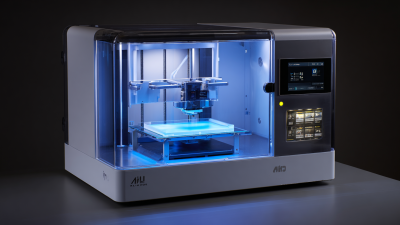
Selecting the right industrial 3D printer for your business can be challenging. It's crucial to understand your specific requirements. Each 3D printer offers different features and capabilities, and what works for one business may not work for another.
Consider the material types, print size, and speed. Different industries have unique needs. An automotive manufacturer requires different specifications compared to a healthcare provider. Reflecting on your goals can guide your decision.
Research is vital in this process. Look for case studies and user experiences. Not all printers perform well in every environment. Ensure you choose a reliable industrial 3D printer that aligns with your operational needs and future growth.
Table of Contents
[Hide]
Understanding Your Business Requirements for 3D Printing
When selecting a 3D printer for your business, understanding your specific needs is crucial. Consider what you plan to produce. Are you creating prototypes, end products, or custom parts? Knowing this helps determine the type of materials and printers needed. For example, if you require durable components, a printer that handles industrial-grade materials is essential.
Next, evaluate the scale of production. Are you a small startup or a large manufacturer? Smaller businesses may benefit from a compact printer that fits in limited spaces. Larger companies might need machines capable of high volume output. Each printer has unique speed and quality settings. Balancing these features with your expectations is vital.
Reflect on the expertise within your team. Do they have experience with 3D printing technology? A lack of knowledge can lead to inefficient use of the printer. Training may be necessary, increasing initial costs. Assessing your current capabilities will help you choose a machine that aligns with your team’s skills. This decision-making process is not always straightforward. Consider seeking advice from industry professionals who can provide insights tailored to your business.
How to Choose the Best Industrial 3D Printer for Your Business Needs?
This chart illustrates the key factors that businesses consider when selecting an industrial 3D printer. The data reflects the percentage of businesses prioritizing each factor based on a recent study.
Exploring Different Types of Industrial 3D Printers Available
When selecting an industrial 3D printer, understanding the different types available is crucial. Fused Deposition Modeling (FDM) is a popular choice, ideal for rapid prototyping. It uses thermoplastic filaments. These printers are relatively affordable and user-friendly. However, FDM prints can lack fine detail. This might not suit all businesses.
Stereolithography (SLA) offers a different approach. It uses a UV laser to cure resin, producing high-resolution parts. SLA printers excel in creating intricate designs. Yet, they often require more maintenance and have a higher cost of operation. Users should weigh the benefits against the potential challenges of reliability.
Selective Laser Sintering (SLS) is another strong contender. It uses a laser to fuse powdered materials. This method allows for strong and durable prototypes. SLS can handle complex geometries, but the initial investment is significant. Businesses must reflect on their specific needs. The choice of printer should align with both budget and desired output quality.
Evaluating Key Features and Specifications in 3D Printers
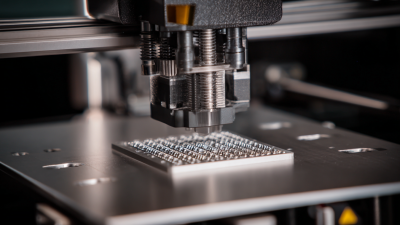
When selecting an industrial 3D printer, it’s essential to focus on key features and specifications. The build volume should align with the types of parts you plan to produce. A larger build space allows for more extensive projects, but the size also affects costs and footprint. Consider the materials you’ll use as well. Different printers support various materials, impacting durability and final product quality.
Print speed is another critical aspect. Faster printers can increase output, but speed should not compromise the precision of the finished product. Factoring in resolution and layer thickness is equally important. High-resolution prints yield more detail but may require longer processing times. Some users overlook the importance of software compatibility. Ensure that the printer works seamlessly with your design software for efficient workflow.
Maintenance and support are often underappreciated. Regular upkeep can prevent costly downtime. Researching community forums can provide insights into common issues and troubleshooting tips. It’s also valuable to consider the printer’s reliability. User reviews can indicate long-term performance and potential problems. Balancing all these factors is challenging, but a thoughtful approach will lead to better decisions in the long run.
Analyzing Cost, Maintenance, and Support for 3D Printers
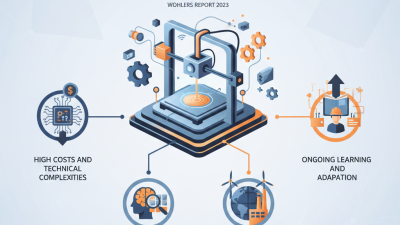
When analyzing the cost of industrial 3D printers, it is essential to consider not just the initial investment. Maintenance costs can significantly impact your total expenditure. According to industry research, the average annual maintenance cost for a 3D printer can range from $1,000 to $10,000, depending on the printer type and usage. If not budgeted properly, these costs can lead to unexpected financial strain on your business.
Support is another critical factor when choosing a 3D printer. Quality technical support can reduce downtime and enhance productivity. Reports indicate that 35% of businesses experience operational delays due to inadequate support. Investing in a printer with robust customer service can save you time and money in the long run. However, many buyers overlook this aspect, focusing solely on price and features.
Additionally, the total cost of ownership can be misleading. Lower initial costs often come with trade-offs, such as higher material expenses and more frequent repairs. It’s vital to reflect on these details. Gathering data on user experiences and expert reviews can provide a more rounded view. Balancing cost with maintenance and support will ultimately guide you toward a printer that meets your business needs efficiently.
Researching Brands and Customer Reviews Before Making a Decision
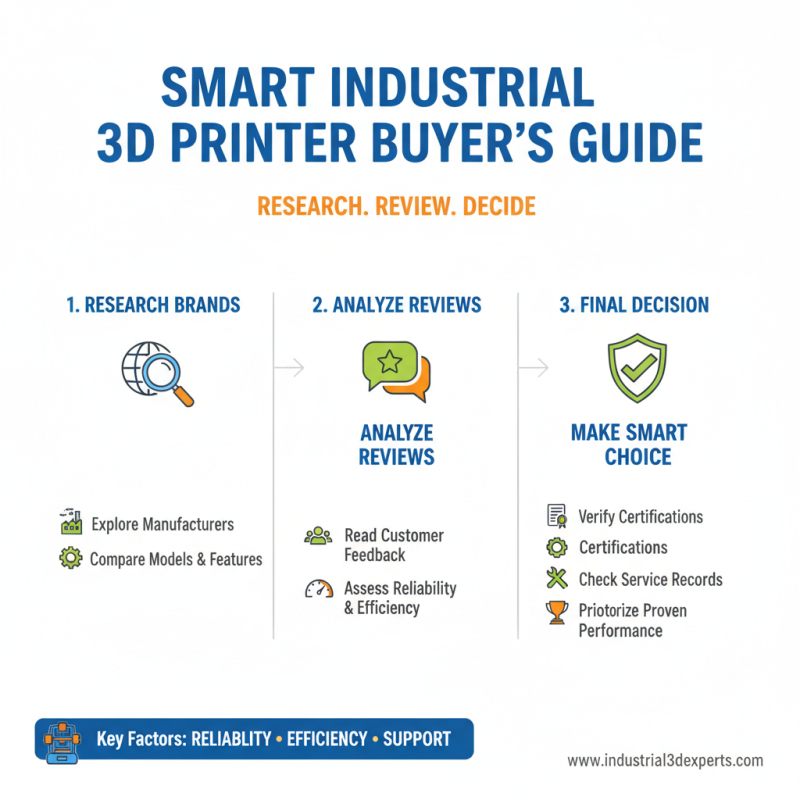
Choosing the right industrial 3D printer is crucial for meeting your business needs. Researching brands and customer reviews can provide valuable insights. Before deciding, analyze various options based on certifications and service records. Look for printers that have received positive feedback for reliability and efficiency.
Consider checking online forums and industry-specific groups. There, users often share their firsthand experiences. Pay attention to comments about customer support and ease of use. Some reviews may highlight issues with specific models, which can help you avoid potential pitfalls. Listening to the community can guide your choices.
When evaluating customer reviews, focus on detail. Look for specific applications and outcomes. Did the printer meet the users' needs? How did it perform under pressure? These details can reveal a machine's strengths and weaknesses. A pattern of dissatisfaction in reviews can suggest deeper issues. Remember to balance the positive with the negative; this ensures a well-informed decision.
Related Posts
-
The Future of Creative Production with 3D Plastic Printers
-
Unlocking the Future Best 8K 3D Printer for Global Buyers
-
What is the Future of 3D Printing Machines in Global Manufacturing
-
Top 5 Laser Sintering 3D Printers You Need to Know for High Quality Prototyping
-
Best 3D Printers That Print Metal for Global Buyers?
-
The Ultimate Guide to Choosing the Best Desktop SLS Printer for Your 3D Printing Needs