
contact-button

How to Choose Urine Collection Equipment in 2026?

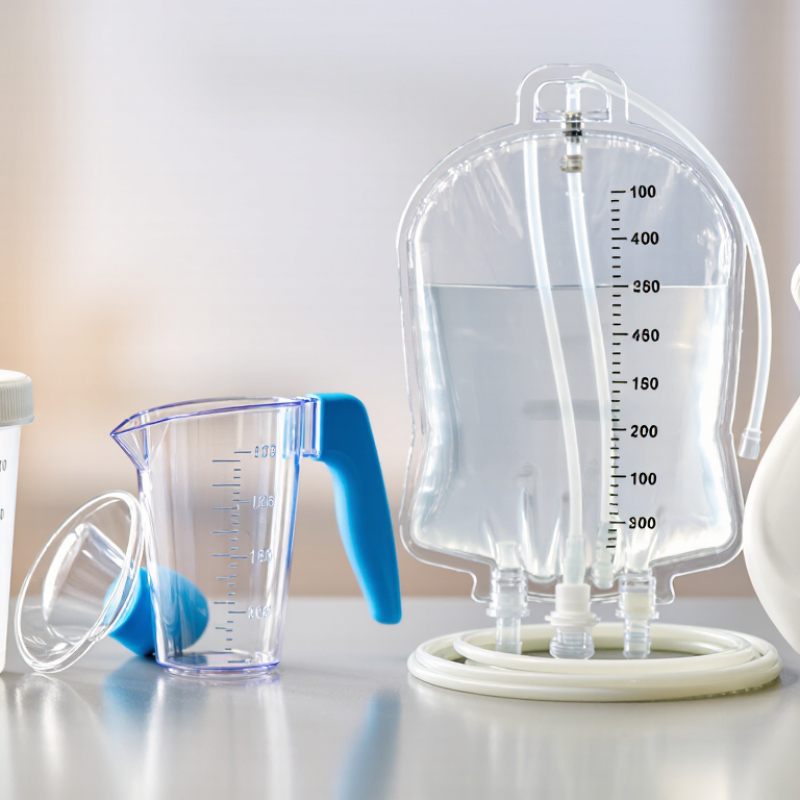
Choosing Urine Collection Equipment in 2026 starts with a simple question: who will use it, and in what setting? A patient collecting a sample at home has different needs from a caregiver assisting someone with limited mobility. A bedside urinal, specimen cup, drainage bag, and female external collection device each serve a distinct purpose. The right choice depends on the intended use, fit, handling, and cleaning or disposal instructions.

Small details matter. A secure lid can reduce spills during transport. Clear volume markings can help with measurement. Smooth, skin-friendly contact surfaces may improve comfort, while an accessible design can make use easier for people with limited dexterity. Materials and capacity should match the task, and sterile products are important when a test or clinician specifically requires them. Not every feature is necessary.

In 2026, product options and designs may change, but basic selection principles remain useful: check the manufacturer’s instructions, confirm compatibility with the intended collection method, and consider the user’s comfort and privacy. For clinical testing, follow the healthcare provider’s directions rather than relying on appearance alone. For ongoing use or special care needs, ask a qualified healthcare professional for guidance. Product descriptions can be helpful, but they do not always explain how equipment feels in everyday use. That gap deserves attention. This guide explores practical factors to compare, common trade-offs, and questions worth asking before choosing Urine Collection Equipment.
How to Choose Urine Collection Equipment in 2026?

Define the clinical purpose, patient group, and specimen type before selecting equipment

How to Choose Urine Collection Equipment in 2026?
Define the clinical purpose, patient group, and specimen type before selecting equipment

Start with the test being ordered. A routine urinalysis, urine culture, and timed collection may require different containers or handling. For culture, the laboratory may specify a sterile container and a clean-catch method. Timed tests need a suitable collection vessel and clear instructions about the collection period. Check the laboratory’s requirements before choosing equipment; assumptions can lead to a rejected or unusable sample.

Consider who will provide the specimen. An adult with limited mobility may need a stable container and discreet assistance, while a young child may require age-appropriate collection equipment. The specimen type matters, too: midstream, timed, or catheter-collected samples have different collection steps. Follow the clinician’s instructions and local clinical procedures. A convenient setup is not always the correct one.

Tips: Confirm the test and container match. Label the sample at the point of collection, and check that the patient’s details are accurate. Keep instructions simple, especially for timed samples. Small details matter. Even experienced staff can overlook them when a clinic is busy.

How to Choose Urine Collection Equipment in 2026?

Define the clinical purpose, patient group, and specimen type before selecting equipment. The chart shows illustrative capacity ranges for common adult collection workflows; confirm container and specimen requirements with the testing laboratory.

These values describe approximate container capacity—not the amount of urine required for testing. Timed 24-hour collection requires a container large enough for the full collection; routine and culture specimens are usually collected in a cup. Use sterile containers when required for the test, and follow local laboratory instructions.

Compare clean-catch, catheter, and pediatric systems by contamination risk and usability

Urine collection equipment should match the test, the patient’s abilities, and the setting. For routine testing, a clean-catch kit is often practical for cooperative adults. Clear instructions matter: wash hands, follow the kit’s cleansing directions, begin urinating, then collect midstream urine in the sterile cup without touching its inside. Simple, but not effortless. Rushed instructions can undo the benefit.

Catheter collection may provide a sample when a person cannot urinate on request or when a clinician determines it is medically appropriate. It can reduce contact with skin and surrounding flora, but it is invasive and may cause discomfort or introduce infection risk. Trained staff should use aseptic technique and collect from the designated sampling port, not the drainage bag. Convenience alone is not a reason to choose it.

For infants and young children, a clean-catch attempt avoids adhesive bags but may take patience and careful timing. Collection bags are easier to apply, yet movement, skin contact, and longer wear can raise contamination risk. A positive culture from a bag sample may need confirmation with a more reliable collection method, as directed by a clinician. Small details matter: a loose seal, a full diaper, or a delayed transfer can affect the specimen. The best system is not always the fastest one, and that trade-off deserves a second look.

How to Choose Urine Collection Equipment in 2026? — Compare Clean-Catch, Catheter, and Pediatric Systems by Contamination Risk and Usability

Collection system Common use Contamination risk Usability Advantages Limitations and practical notes
Clean-catch midstream
Clean collection cup; cleansing supplies may be provided.
Routine urine testing and culture when the patient can follow collection instructions. Variable
Can be reduced by cleaning as instructed and collecting the midstream portion; contamination can still occur.
Non-invasive and generally straightforward for cooperative adults and older children. Requires clear instructions and coordination. No catheter insertion; practical for routine outpatient collection; suitable for culture when collected and handled correctly. May be difficult for people with limited mobility, dexterity, or understanding. Follow laboratory instructions for cleansing, collection, and prompt transport.
Straight catheter collection
Sterile catheter and specimen container.
When a reliable specimen is needed and a clean-catch sample cannot be obtained or is unsuitable. Lower with correct sterile technique
Generally less susceptible to external contamination than a collection bag, but technique and handling matter.
Requires a trained healthcare professional, appropriate equipment, patient consent, and attention to comfort and privacy. Can obtain a specimen when independent voiding is not feasible; commonly used when a cleaner specimen is clinically needed. Invasive and may cause discomfort or minor urethral trauma; catheter insertion also carries infection risk. Use only when clinically appropriate.
Pediatric adhesive urine bag
Single-use collection bag attached to clean, dry skin.
Non-invasive urine screening in infants or young children who cannot reliably provide a clean-catch sample. High for culture
Perineal skin and stool organisms can contaminate the specimen.
Non-invasive and relatively easy to apply, but collection may take time; leakage, displacement, or prolonged skin contact can occur. May help obtain a specimen for selected screening tests when a child cannot void on request. A positive culture from a bag specimen may reflect contamination and generally needs confirmation with a more reliable collection method. Follow local pediatric and laboratory guidance.
Pediatric clean-catch
Clean container; caregiver assists with collection when the child voids.
Urinalysis or culture in infants and children when a voided specimen can be collected with appropriate assistance. Variable
Usually preferable to a bag specimen for culture when collected carefully, but contamination remains possible.
Non-invasive, but timing and caregiver assistance can make collection challenging, especially in infants. Avoids catheter insertion and can provide a voided specimen suitable for laboratory testing when collection is adequate. Requires careful preparation and collection into a sterile container when culture is requested. If a reliable specimen cannot be obtained, a clinician may recommend another method.

Selection reminder: Choose the method based on the test required, the patient’s age and ability to void, clinical circumstances, and local laboratory instructions. Contamination risk depends on collection technique and handling; consult a healthcare professional when unsure.

Use catheter kits only when indicated: CDC estimates 3–7% bacteriuria risk per day

How to Choose Urine Collection Equipment in 2026?
Use catheter kits only when indicated: CDC estimates 3–7% bacteriuria risk per day

Choose the least invasive method that can safely collect the sample. For many cooperative patients, a clean-catch specimen avoids inserting a device. External collection options may suit some patients, but fit, skin condition, mobility, and care setting matter. An indwelling catheter is not simply a convenient sample container. The CDC estimates that bacteriuria risk rises by 3–7% for each day a urinary catheter remains in place. Bacteriuria does not always mean symptomatic infection, but the growing risk deserves attention.

Tips: Confirm the clinical indication before opening a catheter kit. Check the patient’s mobility and skin, prepare a clean collection area, and label the specimen promptly. If catheterization is necessary, use aseptic technique and remove the catheter as soon as it is no longer needed.

The CDC’s Guideline for Prevention of Catheter-Associated Urinary Tract Infections advises limiting catheter use and duration to appropriate indications. AHRQ’s CAUTI prevention resources likewise emphasize daily review of whether a catheter is still needed. In practice, a bedside checklist can catch devices left in place after the original need has passed. It is not foolproof; busy shifts make omissions possible. That is precisely why equipment choice and daily reassessment should work together.

Select sterile containers and transfer devices; CLSI guidance sets a 2-hour room-temperature limit

How to Choose Urine Collection Equipment in 2026?

Choose a sterile, leak-resistant, wide-mouth container that is easy to handle and close securely. For transfers, use a sterile, compatible transfer device that limits exposure and prevents leaks. A clear fill line helps avoid underfilling. Check the laboratory’s instructions before selecting preservatives; some can interfere with specific tests.

CLSI GP16 guidance recommends processing urine within two hours at room temperature. If testing will be delayed, follow laboratory procedures for refrigeration or an approved preservative. Timing matters.

Collection quality matters, too. A College of American Pathologists Q-Probes study involving 127 laboratories reported a median urine-culture contamination rate of about 15%. The study underscores that equipment alone cannot prevent contamination: collection technique and prompt handling also count. A sterile cup is not a substitute for clear instructions or correct specimen identification.

Tips:

Keep unopened containers clean and dry, and check seals before use. Record collection time, then arrange prompt delivery. One easily missed detail is transfer compatibility: a device may fit the container but not the receiving tube. Confirm both connections and follow the testing laboratory’s instructions. The two-hour limit is easy to overlook during busy shifts. Verify the local workflow.

Verify labeling, leak resistance, and transport procedures against ISO 15189 requirements

Choosing urine collection equipment in 2026 means checking the whole pre-examination chain, not just cup capacity.

ISO 15189:2022 requires laboratories to define and control pre-examination processes, including specimen identification, handling, and transport. Check that labels match the laboratory’s identification rules and include collection date and time when required.

Apply the label to the cup body, not the lid; lids can be switched accidentally. Keep barcode text dry and readable. Small details matter.

Choose a screw-cap container that stays leak-resistant when closed, and test it with the secondary packaging used in routine transport. Keep paperwork separate from the specimen, and follow the laboratory’s specified time and temperature limits for each test.

A 2011 review by Lippi and colleagues in Clinical Chemistry and Laboratory Medicine notes that preanalytical errors may account for up to 70% of laboratory errors. That figure is a reminder, not a prediction for every laboratory.

A checklist can still fail when staff are rushed; handoff steps need observation and review, not assumption. When evaluating equipment, document cap failures, label damage, and delayed deliveries, then check whether the pattern points to the container or the workflow.