
What is a Cnc Laser Cutting Machine and How Does It Work?
A Cnc Laser Cutting Machine is an advanced tool used in manufacturing. It combines precision with speed, making tasks faster and more efficient. This technology has changed how materials are cut, allowing for intricate designs and complex shapes.
With its laser technology, the machine focuses a powerful beam of light on the material. This process melts, burns, or vaporizes the material, leading to clean edges. The result is a level of precision that traditional cutting methods struggle to achieve. Many industries, including automotive and aerospace, benefit from this technology.
However, using a Cnc Laser Cutting Machine is not without its challenges. Operators must learn how to calibrate settings for different materials. Mistakes can lead to waste and increased costs. Additionally, safety precautions are crucial, given the high energy of lasers. Understanding both the advantages and challenges of this tool is essential for optimization and efficiency in production.
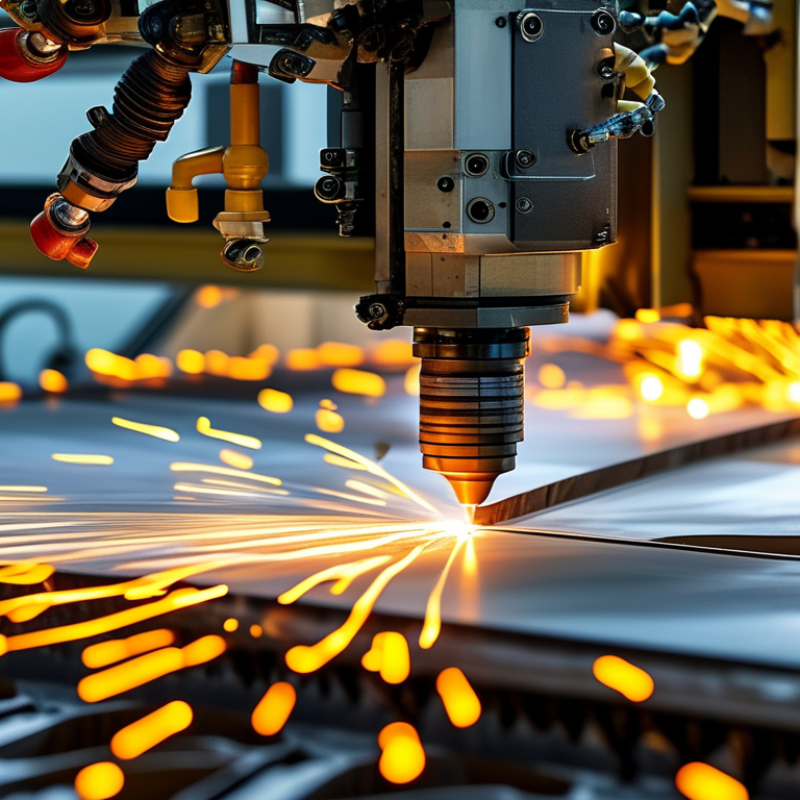
Table of Contents [Hide]
What is a CNC Laser Cutting Machine?
A CNC laser cutting machine is a high-precision tool widely used in manufacturing processes. This technology harnesses a focused beam of light to cut through materials like metal, plastic, and wood. The CNC (Computer Numerical Control) aspect allows for automated operations, meaning the machine can execute complex designs with excellent accuracy. According to a recent report by ResearchAndMarkets, the global CNC laser cutting machine market is expected to grow by over 5% annually, reflecting its increasing significance in various industries.
The mechanism behind a CNC laser cutting machine is fascinating. It starts with a laser generator producing a concentrated beam. This beam travels through optics and is focused onto the material's surface. The machine's computer sends precise instructions, controlling the movement and intensity of the laser. This level of control results in clean cuts and minimal waste. Statistics indicate that CNC laser cutting can improve productivity by up to 30%, making it a preferred method for businesses seeking efficiency.
Despite its advantages, there is room for improvement in user training. Many operators may not fully understand the machinery's capabilities, leading to suboptimal results. Regular maintenance is also crucial, as wear and tear can affect cutting quality. The need for proper equipment management highlights the importance of ongoing education in this evolving field.
CNC Laser Cutting Machine Applications
The Basic Components of a CNC Laser Cutting Machine
CNC laser cutting machines are powerful tools used in various industries. They utilize a focused beam of light to cut through different materials. Key components of these machines contribute to their effectiveness and precision.
One main component is the laser source, which generates the beam. This source can either be CO2 or fiber lasers, depending on the application's requirements. The cutting head directs the laser beam onto the material, ensuring accuracy. Meanwhile, the CNC controller translates design files into cutting instructions, coordinating the movement of the machine. The motion system, often made of rails and motors, allows for precise path tracing.
Cooling systems are crucial, too. They prevent overheating during operation. It’s important to remember that while these machines are efficient, they also require regular maintenance for optimal performance. Users must be vigilant in monitoring the state of their machines to avoid unexpected breakdowns or inaccuracies. Understanding these components helps users appreciate the complexity of CNC laser cutting technology.
How CNC Laser Cutting Technology Works
CNC laser cutting technology combines precision and efficiency. At its core, a laser cutting machine utilizes a focused beam of light to slice through various materials. This technology is widely applicable, from metals to plastics. When light passes through a lens, it intensifies, creating a powerful focal point. This concentrated energy melts, burns, or vaporizes the material, achieving clean cuts and intricate designs.
The process begins with a computer numerical control (CNC) system. This system translates a digital design into machine instructions. The laser cutter follows these commands with precision. Users can adjust parameters like speed and power to adapt to different materials. Small changes can lead to varying outcomes, celebrating the need for adjustment and learning in the operation.
However, challenges do exist. Operators must understand material properties to avoid mistakes. Miscalculations in power settings can result in poor quality cuts. There’s a learning curve for achieving optimal results, which can be frustrating at times. Balancing speed and accuracy is essential, but it requires consistent practice. Understanding these nuances fosters a deeper relationship with the technology. The result is not only functional cuts but also artistic expression in manufacturing.
What is a CNC Laser Cutting Machine and How Does It Work?
| Feature | Description | Applications | Advantages |
|---|---|---|---|
| Type of Cutting | High precision cutting using focused laser beam | Metal fabrication, signage, and prototyping | Minimal material waste and intricate designs |
| Laser Types | CO2 and Fiber lasers commonly used | Aerospace and automotive industries | Ability to cut various materials like metal, plastic, and wood |
| Working Principle | Laser beam melts or vaporizes material along a programmed path | Manufacturing and assembly line setups | High speed and efficient for mass production |
| Control System | CNC technology for precision control of movements | Custom fabrications and one-off designs | Consistency in quality and reduced human error |
Applications of CNC Laser Cutting Machines
CNC laser cutting machines offer a wide range of applications across various industries. One prominent application is in the automotive sector, where precision is crucial. Reports indicate that laser cutting increases productivity by up to 30% compared to traditional methods. These machines can cut complex shapes into materials like metals and plastics, ensuring high precision.
Another significant application is in the aerospace industry. The lightweight components required in aircraft manufacturing benefit from the accuracy of CNC laser cutting. A study revealed that utilizing laser technology reduces material waste by approximately 20%. This efficiency not only lowers production costs but also meets environmental standards.
In the realm of art and design, CNC laser cutting machines have revolutionized the creative process. Artists can achieve intricate designs that were previously impossible with manual tools. Yet, there are challenges. The technology demands a certain level of skill. Improper settings can lead to material damage or subpar results. Continuous learning in this evolving field is essential for maximizing the potential of CNC laser cutting.
Advantages of Using CNC Laser Cutting Technology
CNC laser cutting technology stands out for its precision and efficiency. It uses a high-powered laser beam to cut through various materials. This method is not only fast but also leaves clean edges. It reduces the need for additional finishing processes. Manufacturers often prefer this for both prototyping and mass production.
One key advantage is the versatility in material options. CNC laser cutting can handle metals, plastics, woods, and more. This adaptability makes it ideal for diverse applications. Different industries, from automotive to art, benefit significantly. However, while the technology is powerful, it may require skilled operators to manage the machinery effectively. Without proper training, mistakes can happen.
Another benefit is the reduction of material waste. The accuracy of laser cutting allows for tighter tolerances. This efficient use of material saves costs in the long run. Yet, companies must consider the initial investment for equipment. Though the technology offers long-term savings, the upfront cost can be a barrier for smaller businesses. Careful planning and budgeting are essential for making this technology work.