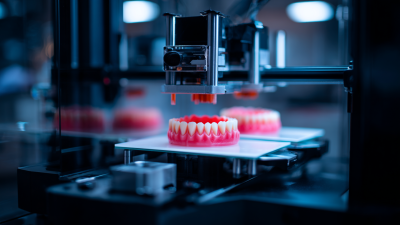
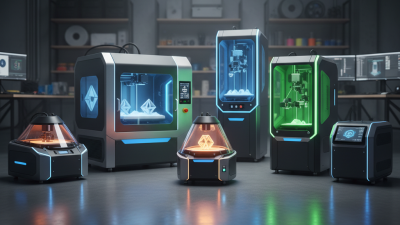
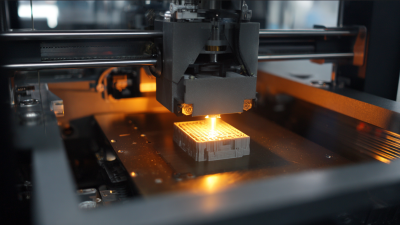
What is a Dental 3D Printer and How Does It Revolutionize Dentistry?
In recent years, the integration of technology into healthcare has led to groundbreaking innovations, notably in the field of dentistry. One of the most transformative advancements is the dental 3D printer, which is redefining how dental professionals approach diagnosis, treatment planning, and prosthetic creation. Dr. John Smith, a leading expert in dental technology, states, “The dental 3D printer empowers dentists to create highly accurate and customizable solutions for their patients, enhancing both efficiency and outcomes.”
This technology not only streamlines the process of producing dental appliances but also improves patient experience by reducing wait times and minimizing the number of appointments needed. As the dental landscape continues to evolve, the dental 3D printer stands at the forefront, offering unprecedented precision and personalization in dental care. From crowns and bridges to orthodontic models, the applications of this remarkable technology are vast, paving the way for a future where dental treatments are more effective and tailored to individual patient needs.
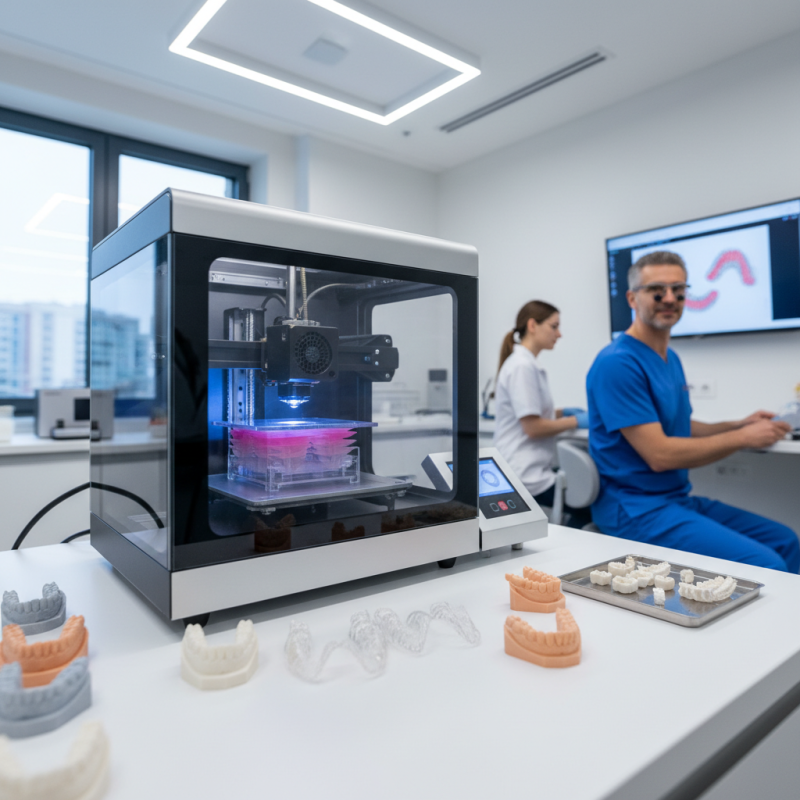
Table of Contents
[Hide]
What is a Dental 3D Printer?
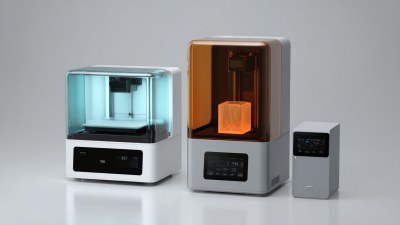
A dental 3D printer is a cutting-edge device specifically designed to create accurate dental models, prosthetics, and other dental appliances using additive manufacturing technology. Unlike traditional methods, which often involve cumbersome and time-consuming processes, dental 3D printers utilize CAD software to design and print dental solutions with remarkable precision. According to a report by SmileDirectClub, the dental 3D printing market is projected to reach USD 6.2 billion by 2027, highlighting the growing importance and adoption of this technology in dental practices worldwide.
The revolution brought by dental 3D printers lies not only in their speed and accuracy but also in their ability to produce customized solutions tailored to each patient's specific needs. For instance, a study published in the Journal of Prosthetic Dentistry noted that 3D-printed dental implants and crowns could reduce production times by up to 75% compared to conventional methods. By significantly lowering costs and enhancing patient satisfaction through tailored treatments, dental 3D printers are redefining workflows and improving clinical outcomes in the dental field. This technological innovation continues to pave the way for a more efficient, effective, and patient-centric approach to dental care.
Key Technologies Behind Dental 3D Printing
Dental 3D printing has emerged as a transformative technology in the field of dentistry, largely due to its advanced methodologies that streamline the production of dental appliances and improve patient outcomes. At the core of this revolution are several key technologies that facilitate rapid and precise manufacturing. One of the primary techniques utilized in dental 3D printing is stereolithography (SLA), which employs a UV laser to cure liquid resin layer by layer, creating highly detailed and accurate models. This method allows for intricate designs that can replicate the complex structures of natural teeth and gums.
Another important technology is digital light processing (DLP), which represents a shift towards efficient mass production. DLP uses a digital light projector to simultaneously cure multiple layers of resin, significantly reducing printing time while maintaining high precision. Additionally, binder jetting and material jetting are notable techniques that expand the range of materials used in dental applications, from ceramics to biocompatible polymers. These advancements not only enhance the quality of dental restorations but also enable customized solutions tailored to individual patient needs, thus establishing a new standard in dental practices.
Applications of Dental 3D Printing in Modern Dentistry
Dental 3D printing has emerged as a transformative technology in modern dentistry, offering a plethora of applications that enhance both patient care and clinical efficiency. One of the most significant uses of 3D printing is in the creation of customized dental implants and prosthetics. Traditional methods often involve prolonged waiting times for patients, whereas 3D printing allows for rapid prototyping and production of tailored solutions that fit each patient's unique anatomical requirements. This customization leads to better-fitting restorations, improved comfort, and enhanced functionality for patients.
In addition to implants, dental 3D printers are revolutionizing orthodontics through the production of clear aligners and retainers. These devices can be designed and manufactured swiftly, allowing orthodontists to provide quicker treatment plans. Furthermore, 3D printing facilitates the creation of surgical guides and preparation templates, which improve the accuracy of complex dental procedures. By integrating digital scans into the workflow, practitioners can ensure precision in treatment planning, ultimately resulting in superior outcomes. This innovation not only streamlines the process but also significantly reduces the risk of errors, enhancing the overall quality of dental care provided to patients.
What is a Dental 3D Printer and How Does It Revolutionize Dentistry? - Applications of Dental 3D Printing in Modern Dentistry
| Application | Description | Benefits |
|---|---|---|
| Custom Dental Implants | 3D printing enables the creation of tailor-made implants that fit precisely to the patient's anatomy. | Improved comfort, reduced surgery time, and increased success rates. |
| Orthodontic Models | 3D printed models for planning and simulating orthodontic treatments. | Enhanced treatment accuracy and patient communication. |
| Surgical Guides | Custom surgical guides for precise drilling locations during dental procedures. | Increased precision and reduced risk of complications during surgeries. |
| Crowns and Bridges | Rapid prototyping of crowns and bridges for dental restoration. | Faster production time and enhanced fit. |
| Dental Models for Education | 3D printed anatomical models for training dental students. | Improved learning experience and practical skills development. |
Benefits of Using 3D Printing in Dental Practices
The integration of 3D printing technology in dental practices has brought about numerous benefits that enhance both the quality of care and patient experience. One major advantage is the ability to create highly accurate dental models and prosthetics. Traditional methods often involve time-consuming processes and potential for human error, but 3D printers can produce precise replicas of patients' teeth and gums in a fraction of the time. This accuracy not only improves fit and comfort but also reduces the need for multiple adjustments, streamlining the overall treatment process.
Another significant benefit of 3D printing in dentistry is the customization it allows. Dentists can easily design orthodontic devices, crowns, and dentures tailored specifically to each patient's unique dental anatomy. This level of personalization results in better outcomes and increased patient satisfaction. Additionally, 3D printing contributes to cost efficiency, as it reduces the material waste associated with traditional manufacturing methods. With on-demand production, dental practices can minimize inventory costs and expedite the delivery of crucial dental appliances, leading to a more efficient workflow and improved patient care.
Future Trends and Innovations in Dental 3D Printing
The realm of dental 3D printing is rapidly evolving, paving the way for innovative practices in dentistry. Current trends suggest a shift towards personalized treatments, where digital scanning and 3D printing allow for the creation of customized dental implants and prosthetics tailored to individual patients. This customization not only enhances fit and functionality but also improves patient satisfaction. Furthermore, the integration of artificial intelligence in design processes is optimizing workflows, reducing errors, and significantly cutting down production times.
As we look to the future, advancements in materials science will likely play a pivotal role in dental 3D printing. New biocompatible materials could enable the production of more durable, aesthetic restorations that closely mimic natural teeth. Moreover, the ongoing development of portable 3D printers could transform dental practices by allowing for on-site printing, reducing the need for multiple appointments and leading to quicker procedures. This shift could dramatically enhance the patient experience while promoting efficiency in dental practices.
Tips: When considering dental 3D printing options, it's essential to stay updated on the latest materials and technologies available. Familiarizing yourself with 3D printing techniques can also help you ask informed questions during consultations. Lastly, ensure that your dental provider is trained in the latest 3D printing advancements to guarantee optimal results.
Related Posts
-
How to Choose the Right Dental 3D Printer for Your Practice Needs
-
Revolutionizing Oral Care: The Impact of Dental 3D Printers on Modern Dentistry
-
Top 5 SLS Printers for Exceptional 3D Printing in 2023: Buyers' Guide
-
Why Laser Sintering 3D Printers Are Revolutionizing Manufacturing Efficiency by 30%?
-
5 Reasons Why Desktop SLS Printers Are Revolutionizing Small Scale Manufacturing
-
Mastering the Basics of Powder 3D Printing with Our Step by Step Guide