How to Choose an Anti Flammable Cabinet?
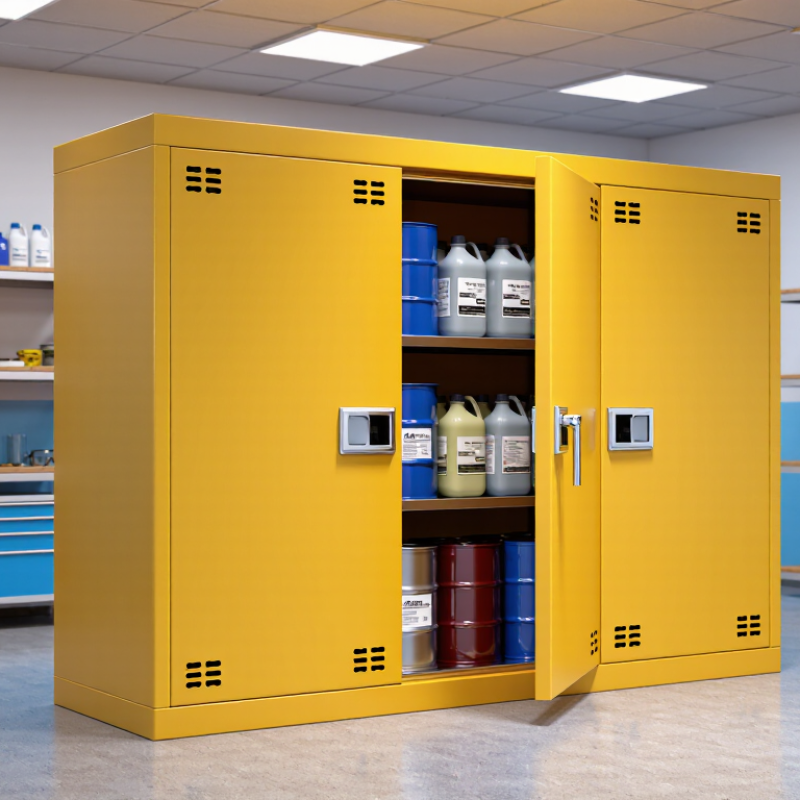
Choosing an Anti Flammable Cabinet is a practical safety decision, not simply a matter of picking a size or finish. The right choice depends on the materials stored, their containers, and the room where the cabinet will stand. Begin by reviewing product safety data sheets and making a clear inventory. Note liquid volumes, container dimensions, and any chemical compatibility concerns. Small details matter.
Capacity matters, but an oversized cabinet can create its own problems if it blocks access or disrupts the workspace. Consider shelf spacing, door clearance, and whether staff can retrieve containers without awkward lifting. Check the manufacturer’s documentation for construction details, intended use, and care instructions. Labels are not enough. A product description may sound reassuring, yet it cannot replace checking whether the cabinet suits your actual storage needs.
Also consider the cabinet’s location, nearby heat sources, and the procedures people will follow during daily use. Requirements can vary by location and workplace, so confirm applicable guidance with a qualified safety professional or relevant authority. This is easy to overlook when a purchase feels routine. It is worth pausing. A careful comparison should weigh capacity, compatibility, accessibility, documentation, and ongoing inspection—not just price. No cabinet can correct poor storage habits by itself, but a well-chosen one can support a safer, more organized work area.
Identify the Flammable Materials and Their Storage Risks
Before choosing an anti-flammable cabinet, list each material you plan to store. Record its name, quantity, container type, and how often it is used. Check the safety data sheet for flash point, volatility, and storage incompatibilities. These details matter. A small solvent bottle can release vapor when opened, while a larger container may create a greater spill and fire load. Do not guess from the label color alone. Verify that the cabinet is designed for the material and the amount you need to store.
Storage risks also depend on nearby materials and daily work habits. Keep incompatible substances apart, and avoid placing containers where they can be knocked over or exposed to heat. Leave room for safe handling; crowded shelves make leaks harder to spot. Consider whether frequently used liquids need a separate, clearly marked storage area. A cabinet does not prevent every hazard. One easy mistake is focusing on cabinet size before checking chemical compatibility. I would pause and review the inventory again, especially when products change or new tasks are added.
How to Choose an Anti-Flammable Cabinet: Identify Materials and Storage Risks
How to read this chart: A lower flash point means a liquid can produce ignitable vapors at a lower temperature. Identify every material before choosing a cabinet, then consider the amount stored, chemical compatibility, and applicable fire and safety requirements. Values are typical and can vary by product composition and test method.
Check Applicable Safety Standards and Cabinet Certifications
Before choosing an anti-flammable cabinet, identify the standards that apply to your workplace and the materials being stored. Requirements differ by country, industry, and cabinet use. In the United States, compare the cabinet’s stated use with relevant OSHA requirements and NFPA 30 guidance. For workplaces using European specifications, EN 14470-1 may be relevant to flammable-liquid storage cabinets. These references are not interchangeable. Check the current edition and confirm local requirements with your safety professional.
Read the certification documents, not just the sales label. Look for the exact cabinet model, tested capacity, construction details, and the scope of the assessment. A certificate for one configuration may not cover another. Check the rating plate inside the door, then match its information to the manual and test documentation. Small details matter. A ventilation option, shelf change, or altered door arrangement can affect what was evaluated. If the paperwork is vague, ask who performed the assessment and which standard was used. A familiar-looking seal alone is not enough. I might be overly cautious here, but a certificate should answer specific questions, not simply reassure you.
Assess Placement, Ventilation, and Access Requirements
Choose a cabinet location by watching how people actually move through the room. It is easy to focus on storage capacity; that can be a mistake. A practical walk-through often reveals blocked routes or awkward door swings. Place the cabinet on a level, stable floor, away from heat sources, direct sunlight, and vehicle impact. Keep exits, electrical panels, and firefighting equipment accessible. Leave enough clear space for the doors to open fully and for containers to be handled without twisting or reaching over nearby equipment. Small details matter.
Ventilation needs careful assessment. A cabinet does not automatically need a duct connection, and unsuitable ducting can affect its intended performance. Check the cabinet instructions and consult the site safety professional before changing vents or adding fans. Consider room airflow, heat, and any vapors that could collect during normal handling. The right arrangement depends on the materials and the room, so avoid guessing.
Access should suit the people who use the cabinet every day, not just the person who orders it. Keep frequently used containers within comfortable reach, while preserving clear aisles and separation from incompatible materials. Make labels easy to read from the approach side. Check that authorized staff can open the cabinet quickly, including when carrying a small container. A short site trial helps. Watch one normal work cycle and note where staff pause, reach, or set containers down; those small habits may expose a layout problem.
Plan Installation, Labeling, and Routine Inspection
Place the anti-flammable cabinet close to the work area, but away from exits, hot equipment, and busy aisles. Check that the floor is level and the doors open fully. Keep the manufacturer’s instructions nearby; clearance and anchoring needs vary by cabinet design. NFPA’s report, Fires in Industrial and Manufacturing Properties, estimated an annual average of 37,910 such fires in the United States from 2011 to 2015. That figure covers many causes, not cabinets alone, but it shows why everyday storage details matter.
Make labels readable from the aisle. Identify the cabinet’s contents and hazards, and keep labels consistent with your site’s chemical inventory and safety data sheets. Do not cover vents, latches, or warning labels with stickers. Small detail. A label that peels at the corner can become hard to read surprisingly fast.
Set a routine inspection schedule and record what you actually check: door closure, latch condition, visible damage, cleanliness, and whether containers are closed and stored as intended. OSHA’s hazardous-chemical guidance emphasizes maintaining labels and accessible safety data sheets; use those records to support staff training and checks. Assign a person, not just a department. Still, a checklist can create false confidence if nobody questions repeated damage or clutter around the cabinet. Review recurring findings and adjust the setup.



 Customer Support
 Request Sample
 Contact