
contact-button

How to Choose the Best TRT Turbine Blade in 2026?

Choosing a Trt Turbine Blade in 2026 is not simply a matter of matching dimensions. In a top-pressure recovery turbine, blade geometry can influence efficiency, vibration, and service life. Gas composition, dust loading, pressure range, and temperature all shape the decision. A blade that fits on paper may perform poorly if its material or profile does not suit actual operating conditions. Small details matter. Edge wear, deposits, and clearance changes can reveal problems that a catalog description cannot explain. The right choice starts with verified turbine data, maintenance records, and the manufacturer’s approved specifications. Use documented operating records where available, not assumptions.

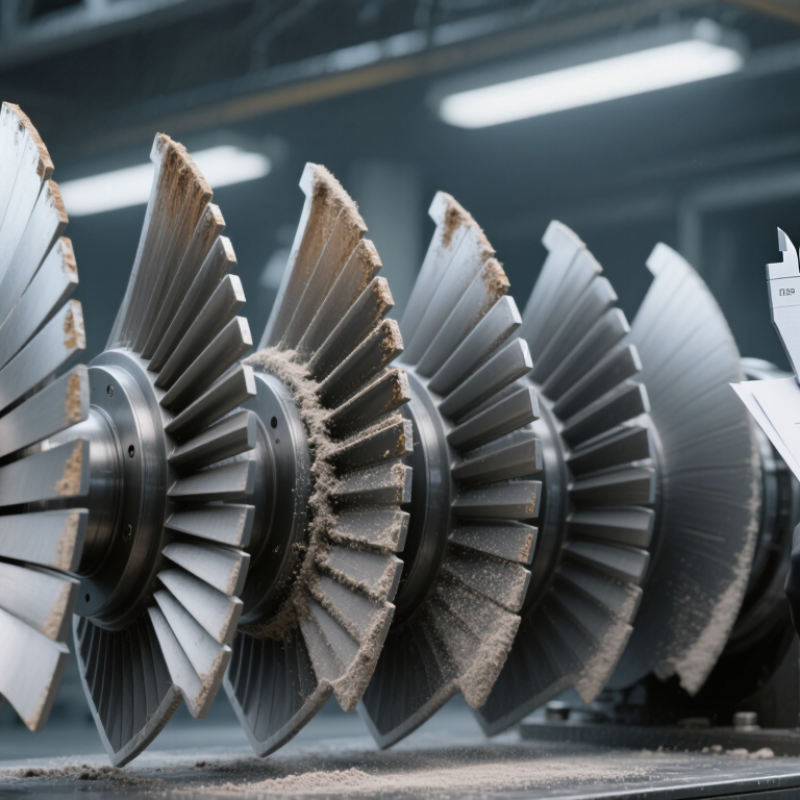
Material and coating choices should be reviewed against the plant’s actual gas conditions and inspection history. Ask suppliers for traceable material information, dimensional checks, and relevant quality documentation. Compare inspection findings across operating periods, rather than relying on one photograph or service report. Images of leading-edge erosion or uneven deposits can help, but they do not replace a qualified inspection. They tell a story. Even good records can be incomplete, and a neat comparison table is not enough by itself. Confirm compatibility, clearances, and installation requirements with the turbine manufacturer or a qualified engineer before making a selection. This guide will examine those practical checks, common trade-offs, and questions worth asking suppliers. There is no universal best blade. The dependable choice is the one supported by evidence, suitable for the machine, and reviewed with care.
How to Choose the Best TRT Turbine Blade in 2026?

Understand the Role of a TRT Turbine Blade in Blast Furnace Operation

A TRT turbine blade converts pressure energy from blast furnace gas into shaft power. The turbine sits downstream of gas cleaning equipment, where high-pressure gas expands across its blades. This rotation can drive a generator and recover energy that would otherwise be lost.

A small change in blade shape may affect efficiency, vibration, and output. Small changes matter.

Choosing a blade requires more than comparing efficiency figures. Operators should check gas pressure, temperature, flow rate, and composition across normal and changing conditions. Residual dust or moisture can still cause erosion, deposits, or corrosion over time.

Material strength, protective treatment, rotor balance, and blade clearances also influence service life. Not always. A blade that performs well at rated load may be less suitable during frequent operating swings.

Review inspection records for wear patterns, cracks, and uneven deposits, then compare them with the turbine’s operating data.

One detail is easy to miss: maintenance access and replacement time affect the real cost of a blade. No specification can replace careful inspection.

In 2026, the sound choice is the blade matched to the actual gas conditions and maintenance history, not simply the highest advertised efficiency. It is worth questioning old assumptions when operating conditions have changed.

Identify Operating Conditions and Equipment Requirements

A suitable TRT turbine blade starts with the gas, not the catalogue. Record inlet pressure, temperature, flow rate, and operating range, including start-up and low-load conditions. Blast-furnace top gas can carry fine dust and moisture. Dust matters. Ask operators to check gas analyses and filter performance across different shifts; a single reading may miss real variation. A clean datasheet rarely tells the whole story.

Next, match the blade to the turbine’s design and condition. Confirm stage geometry, rotor speed, clearances, mounting dimensions, and the direction of gas flow. Look for erosion patterns, corrosion, vibration, or uneven deposits on removed blades. These details help assess whether the issue is material selection, operating practice, or both. Fit matters. Blade materials and coatings should suit actual gas chemistry and temperature, but published limits need verification against the machine’s duty cycle. Compare inspection records with performance trends, such as pressure drop and output. If operating data are incomplete, pause before specifying a replacement; uncertainty deserves a margin, not a guess. Involve a qualified turbine engineer to review compatibility and inspection findings.

Compare Blade Materials, Designs, and Protective Coatings

For a top-pressure recovery turbine, blade material must withstand hot gas, fine dust, pressure changes, and repeated thermal cycles. Martensitic stainless steel can offer a practical balance of strength and cost, but its corrosion resistance depends on the gas chemistry and heat treatment. Higher-alloy steels may tolerate harsher environments, though they can raise manufacturing and repair costs. Nickel-based alloys handle heat well, yet may be unnecessary where operating temperatures remain moderate. Small details matter. Ask for material certificates, hardness data, and inspection history rather than relying on a grade name alone.

Blade design affects efficiency and service life together. A thicker leading edge can better resist particle erosion, but may increase aerodynamic losses. Curved profiles and carefully controlled clearances help manage flow, while actual performance depends on the turbine’s pressure ratio and operating range. Protective coatings can reduce oxidation or surface wear, but coating adhesion, thickness, and repairability matter. A hard coating that chips under impact can create a new failure risk. Thermal-barrier coatings also need validation for the specific gas temperature and particle load. I would compare test results from similar service, then check whether the coating can be inspected in place. There is no perfect option, and operating records are sometimes incomplete. That uncertainty deserves attention.

Assess Efficiency, Reliability, and Lifecycle Costs

Choosing a TRT turbine blade means weighing efficiency, reliability, and lifecycle cost—not simply comparing purchase prices. The International Energy Agency’s Iron and Steel Technology Roadmap (2020) reports that iron and steel production accounts for about 7% of global energy-related CO₂ emissions. That makes recovered power valuable, but the blade’s real contribution depends on operating conditions. Compare suppliers’ efficiency curves at your plant’s actual pressure, temperature, gas flow, and dust load. A polished peak-efficiency figure can mislead.

Reliability shows up in the details. Ask for inspection intervals, erosion and corrosion allowances, repair history, and performance data from comparable gas conditions. Check leading edges for wear and confirm that clearances match the machine’s maintenance records. Downtime matters. The U.S. Department of Energy’s Operations & Maintenance Best Practices Guide (2010) emphasizes that preventive maintenance can improve equipment reliability and reduce operating costs, though results vary by site. A blade that performs well in clean test conditions may not age as well in dusty service.

Build lifecycle cost around purchase, installation, inspections, repairs, lost generation, and expected service life. Use discounted cash-flow analysis; NIST Handbook 135 provides a recognized framework for federal life-cycle cost estimates. Request assumptions behind every quoted savings figure. Then test the estimate against lower availability or shorter blade life. Honestly, those estimates are uncertain. A small spreadsheet mistake can change the ranking.

How to Choose the Best TRT Turbine Blade in 2026? - Assess Efficiency, Reliability, and Lifecycle Costs
Selection Dimension Data to Compare What a Strong Choice Looks Like Lifecycle Cost Consideration
Operating-point efficiency Blade efficiency or power output at the same inlet pressure and temperature, gas flow, outlet pressure, and gas composition. Performance is supported by a clearly stated calculation or test method and matches the plant’s normal operating range—not just a single best-case point. Higher efficiency can increase recovered power at comparable operating conditions. Compare the expected annual energy benefit with the installed cost and any operating constraints.
Operating envelope Expected ranges of gas flow, pressure ratio, temperature, and permitted load changes; include normal start-up and shutdown conditions. The blade design remains within its documented operating limits across the plant’s actual duty cycle. Confirm any minimum-flow or restricted operating conditions. A mismatch can reduce output, increase operating restrictions, or require more frequent intervention. Use plant operating records rather than nominal design values alone.
Gas cleanliness and erosion Residual dust concentration and particle characteristics downstream of gas cleaning, together with blade erosion history and inspection findings. The design and material selection account for the actual residual particulate exposure. Erosion-resistant features are substantiated for the relevant gas and particle conditions. Particle erosion can alter blade profiles and reduce aerodynamic performance over time. Include inspection, repair, and replacement needs in the cost comparison.
Material and gas compatibility Blade material specifications considered against gas composition, moisture, temperature, and exposure to corrosive constituents. Material suitability is documented for the site’s measured or specified conditions, including any relevant corrosion or temperature limitations. Material choice affects resistance to degradation and the likely repair interval. A higher initial material cost is worthwhile only when supported by a credible service-life benefit.
Blade geometry and fit Airfoil geometry, dimensional tolerances, rotor and casing clearances, attachment details, and compatibility with the existing turbine configuration. Drawings and inspection records demonstrate dimensional compatibility. The design maintains appropriate clearances and avoids unverified changes to the flow path. Fit or clearance issues can affect performance, vibration, and installation time. Verify interfaces before purchase to reduce rework and outage risk.
Mechanical integrity Design limits for rotational speed, temperature, cyclic loading, and vibration; material certificates and applicable inspection or non-destructive examination records. Calculations, manufacturing records, and inspection evidence are available for the supplied blade and its attachment features. Mechanical issues can lead to unplanned outages and consequential damage. Assess the evidence and failure consequences, not just the purchase price.
Coatings or surface treatments Coating purpose, substrate compatibility, application process, thickness or acceptance criteria, and inspection requirements. The treatment addresses a defined site-specific issue, such as surface degradation, and its limitations and repair method are documented. Include recoating, inspection, and repair costs. A coating should not be assumed to prevent erosion or corrosion unless performance is supported for the relevant service conditions.
Reliability and service history Comparable operating references, documented service conditions, failure or repair modes, and inspection intervals. Evidence relates to similar TRT duty and gas conditions. Differences in operating point, gas cleaning, and maintenance practice are clearly identified. Comparable service evidence helps estimate maintenance frequency and outage exposure; generic claims without operating context are less useful for cost planning.
Manufacturing quality and traceability Material traceability, manufacturing inspection records, dimensional inspection, balancing documentation where applicable, and acceptance criteria. Required records are supplied and linked to the individual components. Acceptance requirements are agreed before manufacture and delivery. Clear quality records support inspection, maintenance decisions, and future replacements, and can reduce commissioning delays and avoidable rework.
Maintenance and repairability Inspection access, repair limits, availability of repair procedures, expected turnaround time, and spare-part strategy. Inspection and repair requirements are practical for the site’s outage schedule, and replacement parts or repair services can be planned in advance. Consider labor, repair, logistics, and outage duration in addition to the blade’s purchase price. Availability can materially affect total cost.
Lifecycle cost comparison Installed cost, expected recovered-power value, maintenance and repair costs, planned replacement costs, and outage-related costs over a common evaluation period. Options are compared using the same operating assumptions, service period, energy-value assumptions, and discounting method. Net lifecycle cost = purchase and installation + maintenance and repair + outage costs + replacement costs − value of recovered energy. State assumptions and use site-specific data.

Practical comparison rule: Request performance and durability evidence for the site’s actual gas conditions and operating range. Treat unverified efficiency gains or service-life claims as assumptions, not guaranteed results.

Verify Compatibility, Supplier Quality, and 2026 Standards

How to Choose the Best TRT Turbine Blade in 2026?
Verify Compatibility, Supplier Quality, and 2026 Standards

A TRT turbine blade must match the unit, not just the catalog description. Check the equipment model, blade position, dimensions, attachment geometry, and material specification against approved drawings. Confirm operating conditions too, including gas temperature, pressure, dust, and corrosion risks. A small mismatch at the root can affect fit and service life. Measure carefully.

Supplier quality deserves the same attention as blade design. Request material certificates, dimensional inspection records, heat-treatment details, and traceability linking each blade to its production batch. Ask how defects are handled and what inspections occur before shipment. In 2026, verify which current standards and plant requirements apply; revisions and customer specifications may differ. A neat document pack helps, but it does not replace a clear inspection plan. I would still want critical dimensions checked independently.

Tips: Compare the offered blade with the original drawing and operating data. Confirm material and inspection records before purchase. Keep the approval trail. If a supplier cannot explain a measurement or document, pause and ask again. That extra check may feel slow, but guessing is worse.

How to Choose the Best TRT Turbine Blade in 2026?

Check blade fit against the turbine’s drawings and operating conditions, then assess the supplier’s quality and compliance documentation. This chart shows the publication years of selected management-system standards that may be relevant when evaluating a supplier.

Edition years are shown for reference, not as a ranking or a blade specification. Before procurement, confirm current editions and amendments in the official ISO catalogue. These management-system standards do not establish blade dimensions, materials, or turbine compatibility; verify those against the equipment documentation and project requirements.