contact-button

What is Metal Printers and How Can They Benefit Your Business?

Metal printers are revolutionizing the manufacturing industry. These machines enable the creation of complex parts with precision and efficiency. Businesses eager to stay competitive must understand how metal printers can elevate their operations.

The technology behind metal printers has advanced rapidly. They use various materials like titanium and aluminum, ensuring strong outputs. Many manufacturers benefit from reduced waste and shorter lead times. However, integrating metal printers can be a challenge. Initial costs may be high, and training staff is essential. It's crucial to weigh these factors carefully.

Investing in metal printers opens new avenues for innovation. Companies can prototype faster and customize products for specific needs. Understanding the potential pitfalls is key. The technology may require continuous upkeep and adaptation. Overall, exploring metal printers could be a game-changer for your business.
What is Metal Printers and How Can They Benefit Your Business?

What is Metal Printing Technology? An Overview of the Process

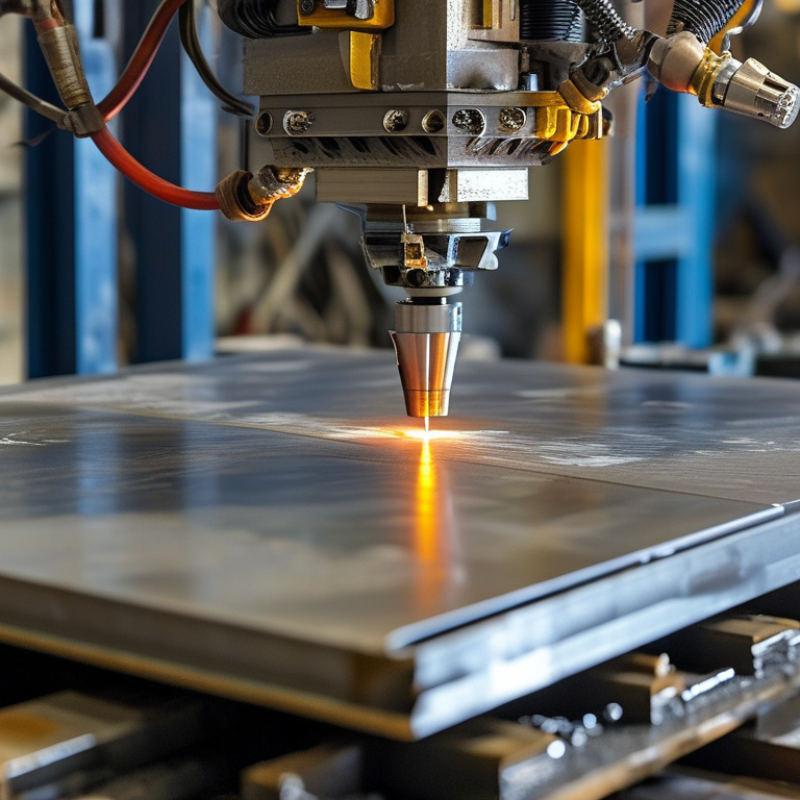
Metal printing technology has revolutionized manufacturing. It starts with a 3D model, often designed on specialized software. The process employs additive manufacturing techniques, layering metal powder and using lasers to fuse particles together. This method allows for complex geometries that traditional methods can’t achieve. Each layer adds detail and precision.

Industries benefit significantly from metal printing. Production becomes faster and more cost-efficient. Custom parts can be created on demand, reducing waste. However, the technology is still evolving. Challenges remain in material consistency and surface finish. Manufacturers must continually adapt and refine their processes. Being aware of these limitations is essential for effective implementation.
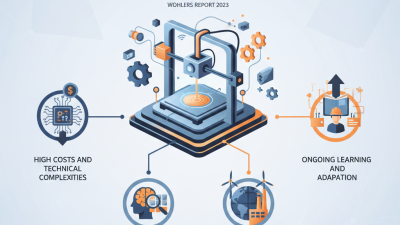
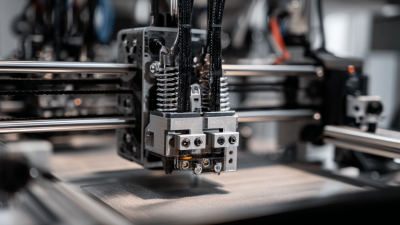
Benefits of Metal Printing Technology

This chart illustrates the various benefits of metal printing technology for businesses, highlighting aspects such as cost efficiency, production speed, design flexibility, and material waste reduction.

Key Materials Used in Metal Printers and Their Properties

Metal printers use advanced technology to create intricate designs. They primarily rely on materials like titanium, aluminum, and stainless steel. Each material has unique properties and applications.

Titanium stands out for its strength-to-weight ratio. It is highly corrosion-resistant and ideal for aerospace components. Aluminum is lightweight and has excellent thermal conductivity. It is often used in automotive and consumer products. Stainless steel offers durability and strength, making it suitable for manufacturing tools and machinery.

Choosing the right material is crucial. Some businesses struggle with selecting the best option for their needs. Understanding the properties of these materials helps in making informed choices. The decision process can be complex, requiring a balance between cost and performance.

Industry Applications of Metal Printing: From Aerospace to Automotive

Metal printing technology is revolutionizing various industries, especially aerospace and automotive. In aerospace, it enables the production of lighter parts. This leads to improved fuel efficiency and performance. Metal printers can create complex structures that traditional methods cannot achieve. These innovations help reduce costs and production time.

In the automotive sector, metal printing is used for rapid prototyping. This allows manufacturers to test and iterate designs quickly. From engine components to custom brackets, metal printing can lead to lighter and more efficient vehicles. However, implementing this technology can be challenging. It requires skilled operators and strict quality control measures.

Tips for businesses: Assess your specific needs before diving into metal printing. Understanding production volume and part complexity is crucial. Consider investing in training for your team to maximize the benefits of this technology. Regularly evaluate your processes to refine efficiencies and address any shortcomings. Embracing innovation in metal printing could be a game-changer for your industry.

Economic Advantages of Metal Printers: Cost Reduction and Efficiency

Metal printers are revolutionizing manufacturing, offering significant economic advantages. They allow businesses to create complex parts with precision. This adaptability can lead to lower production costs. With fewer materials wasted, companies can maximize their resources.


Efficiency is another key factor. Metal printers can operate continuously, reducing the need for manual labor. Workers can focus on quality control rather than repetitive tasks. However, integrating this technology requires careful planning and training. Some teams may struggle initially with the transition.


Cost reduction can take time to realize. Initial investments in metal printing technology can be high. But businesses that understand this landscape see long-term savings. They can quickly scale production to meet demand. Balancing these elements is crucial for sustained benefits in manufacturing.

Future Trends in Metal Printing: Innovations and Market Growth Projections

The landscape of metal printing is evolving rapidly. Innovations are emerging that enhance the efficiency and quality of metal parts. New technologies, such as binder jetting and hybrid manufacturing, promise significant improvements. These advancements can lead to reduced waste and lower costs.

Market growth projections indicate a promising future for metal printing. Analysts predict a compound annual growth rate (CAGR) of over 25% in the next five years. Industries like aerospace, automotive, and medical are driving this demand. They require lightweight, customized solutions that only metal printing can provide. However, adapting to these technologies requires careful planning.

Businesses must invest in training and infrastructure to harness these advancements effectively. While the benefits are clear, the implementation can be complex. Challenges include the learning curve associated with new equipment and the need for skilled operators. Reflecting on these potential hurdles is essential. Meeting the demands of a changing market will require time and resources. Exploring metal printing today can position businesses for success tomorrow.