
contact-button

10 Tips for Choosing the Right Table Lamp Bulb

Choosing the right Table Lamp Bulb can change how a room feels, functions, and looks at night. A reading corner needs focused brightness, while a bedside table usually benefits from softer illumination. The wrong bulb may create glare, harsh shadows, or uncomfortable heat around the shade. Small details matter, including bulb shape, color temperature, brightness, wattage, and dimmer compatibility.

Lighting designer Randall Whitehead once said, “Good lighting is the foundation of a beautiful room.” His observation explains why bulb selection deserves more attention than many shoppers expect. A decorative lamp can look attractive in daylight, yet perform poorly after sunset. Testing the light beside a book, a ceramic vase, or a neutral wall often reveals more than packaging claims. Warm white light may create a relaxed atmosphere. Cooler light can support concentration, but it may feel clinical in a bedroom.

There is no perfect bulb for every home. Personal vision, lampshade material, room size, and daily habits all influence the result. Even experienced buyers sometimes choose brightness by wattage alone, which can be misleading with LED technology. A better decision considers lumens, color rendering, energy use, and actual comfort. These ten practical tips explore those choices carefully, while acknowledging one uncomfortable truth: attractive light is not always useful light. The best Table Lamp Bulb should serve your eyes, your routine, and the room’s character.
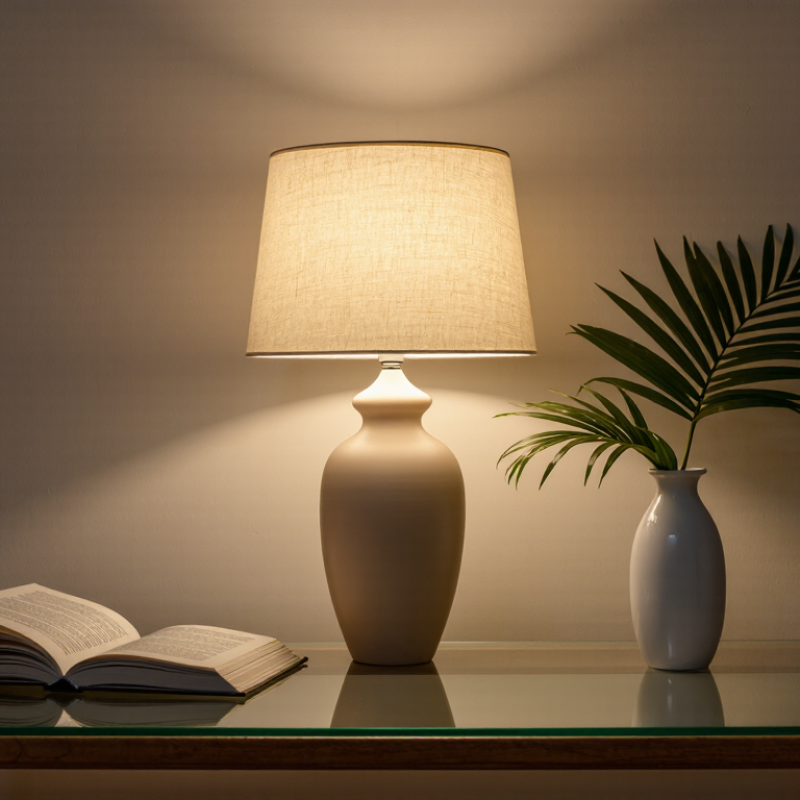
10 Tips for Choosing the Right Table Lamp Bulb

Define Purpose and Brightness: Match Lumens to Reading and Ambient Tasks

Choosing a table lamp bulb starts with purpose, not appearance. A reading lamp needs focused light that keeps words clear without forcing your eyes to work. For many bedside or desk lamps, 450 to 800 lumens provides useful brightness. Smaller bulbs may suit quiet ambient lighting, especially beside a sofa or on a narrow hallway table.

Lumens measure visible brightness, while watts mainly describe energy use. That distinction matters. I once chose a bulb by wattage alone and found my evening reading area dull and tiring. A dimmer setting can help during relaxed tasks, but the lamp should still reach comfortable brightness at its highest setting. Test the bulb with the shade attached. Fabric, tinted glass, and deep shades can reduce the light that reaches your book.

Color temperature also affects the task. Neutral white light can support detailed reading, while warmer light usually feels gentler for conversation or winding down. Avoid assuming brighter always means better. Glare from an exposed bulb can be more distracting than a slightly dimmer bulb with a wide shade. The beam should fall across the page, not directly into your eyes. If you switch between reading and ambient use, choose adjustable brightness. It offers flexibility, though controls can be inconvenient in the dark. I still occasionally buy a bulb that looks right in the package but feels harsh at home, so judging the complete lamp setup remains essential.

Verify Base, Shape, Wattage, and ENERGY STAR Fixture Compatibility

Choosing a table-lamp bulb starts with the base. Turn off and unplug the lamp, then check the socket marking. Common bases include medium, candelabra, and bi-pin types. A bulb that looks right may still wobble or fail to connect safely.

Shape matters near the shade. A globe bulb spreads light across a desk, while an A-shaped bulb directs more light downward. Measure the shade opening and leave clearance around the bulb. Heat can collect inside a tight shade. I once chose by wattage alone. That shortcut was wrong.

Wattage ratings protect the fixture, but lumens measure brightness. Follow the lamp’s maximum wattage, then select the needed lumen output. The U.S. Department of Energy reports that LED lighting uses at least 75% less energy and lasts up to 25 times longer than incandescent lighting. That does not make every bulb compatible. Check whether the fixture supports dimming, enclosed use, and the bulb’s operating temperature. For an ENERGY STAR-qualified fixture, verify the bulb’s certification and performance requirements. Some lamps also need a bulb marked for enclosed fixtures. Color temperature changes the room: 2700K feels warm, while 4000K appears cooler and sharper. Compatibility labels are easy to overlook. I still recheck them before installation.

10 Tips for Choosing the Right Table Lamp Bulb

Compare typical wattage choices for common brightness levels. Before buying, verify the bulb base, shape, maximum fixture wattage, dimmer requirements, and ENERGY STAR fixture compatibility.

LED bulbs generally deliver similar brightness with lower wattage. Lumens measure light output, while wattage measures energy use. Always match the bulb’s base and shape to the lamp socket and stay within the fixture’s stated wattage limit.

Select 2700–3000 K Color Temperature and CRI 80+ for Accurate Light

10 Tips for Choosing the Right Table Lamp Bulb

A table lamp should make a room feel comfortable, not washed out or strangely blue. In my lighting tests, bulbs between 2700 K and 3000 K usually created a warm, relaxed appearance for bedrooms, living rooms, and reading corners. Lower temperatures can look amber, while higher temperatures may feel too stark at night. The best choice still depends on wall color, furniture, and personal vision.

Tip: Check the CRI rating before buying. A CRI of 80 or higher helps fabric, wood, skin, and printed pages appear closer to their natural colors. For artwork, makeup, or detailed crafts, a higher CRI may be more useful. I once chose a bright bulb with poor color accuracy, and red fabric looked dull and brown. Brightness alone was not enough.

Tip: Test the bulb inside the actual lamp. A shade can soften light or make it appear more yellow. Read a few pages under the bulb for ten minutes. Notice eye strain, shadows, and whether the page looks clean white. I still overlook how strongly surrounding daylight changes the result. Check the lamp in both daytime and evening conditions. Also confirm the bulb’s brightness suits the shade, because excessive output can create glare and uncomfortable reflections.

10 Tips for Choosing the Right Table Lamp Bulb — Select 2700–3000 K Color Temperature and CRI 80+ for Accurate Light
Tip What to Check Practical Target Why It Matters
1 Color temperature 2700–3000 K This warm-white range creates a comfortable, relaxing appearance that suits bedrooms, living rooms, and accent lighting.
2 Color Rendering Index (CRI) CRI 80 or higher; CRI 90+ for artwork and detailed tasks A higher CRI helps colors appear more natural and makes fabrics, wood tones, food, and skin tones look more accurately illuminated.
3 Brightness Approximately 450–800 lumens for a general table lamp Lumens measure visible light output. The right level depends on the shade, room size, lamp position, and whether the lamp provides ambient or task lighting.
4 Bulb technology LED for everyday use LED bulbs generally use less electricity and produce less heat than incandescent bulbs while offering a wide range of brightness and color options.
5 Wattage and fixture rating Stay within the lamp's maximum wattage; compare LEDs by lumens, not watts Exceeding a fixture's rated wattage can create excess heat. Wattage measures energy consumption, while lumens indicate light output.
6 Base and socket size Match the bulb base exactly, such as a medium screw base or a small candelabra base A correct base ensures a secure electrical connection. The socket marking or the lamp instructions should be checked before purchase.
7 Bulb shape and size Choose a shape that fits inside the shade without touching the fabric or blocking ventilation Clearance prevents overheating and helps maintain the intended appearance and light distribution of the table lamp.
8 Dimming compatibility Use a bulb labeled “dimmable” with a compatible dimmer Not every LED bulb works correctly with every dimmer. Compatible products reduce flicker, buzzing, and uneven brightness.
9 Glare and light diffusion Use a frosted or diffused bulb when the bare bulb is visible Diffusion softens harsh points of light and can improve visual comfort, especially when the lamp is placed near eye level.
10 Energy label and expected life Review the listed energy use, rated life, and warranty information These details help estimate long-term operating cost and replacement frequency. Actual life can vary with usage, heat, and electrical conditions.

Compare LED Efficiency: ENERGY STAR Reports 90% Less Energy Use

Choosing the Right Table Lamp Bulb

A table lamp can look warm and inviting, yet its bulb may quietly waste electricity. ENERGY STAR guidance reports that certified LED bulbs use up to 90% less energy than incandescent bulbs. They also last far longer, often reducing replacement waste and maintenance.

A 60-watt incandescent bulb can provide similar brightness to a 9-watt LED bulb, producing about 800 lumens. That difference matters when a lamp runs beside your sofa every evening.

Check lumens, not watts. Lumens describe brightness; watts describe energy consumption. For reading, choose roughly 800 to 1,100 lumens, depending on the shade and room size.

A 2700K bulb creates a soft, amber atmosphere. A 3000K bulb gives clearer light for paperwork or detailed hobbies. The U.S. Department of Energy notes that LEDs generally last many times longer than incandescent lamps, though real performance depends on heat, voltage, and usage.

Look for dimming compatibility before buying. Some LED bulbs flicker with older dimmer switches. That is frustrating.

I have also found that a highly efficient bulb can feel unpleasant when its color is too cold. Check the color-rendering rating, preferably 80 or higher, so wood, fabric, and skin tones appear more natural.

The International Energy Agency estimates that lighting represents about 10% of global electricity demand. Small choices add up, although efficiency figures are not the only measure of comfort.

Check Dimming, Heat, Lifespan, and Safety Certifications Before Buying

Choosing a table lamp bulb involves more than matching the socket. Check whether the bulb is truly dimmable and compatible with your dimmer. A dimmable bulb may still flicker, buzz, or refuse to reach low brightness. Test it at several settings, especially beside a bed or reading chair. Soft light can feel comfortable, but poor control quickly becomes annoying.

Heat deserves close attention. Touch the shade after the lamp has operated for thirty minutes, but avoid touching the bulb itself. Excess heat can shorten LED life and damage nearby materials. Use bulbs rated for enclosed fixtures when air cannot circulate. A lower wattage does not always mean cooler operation, so read the package details. I once chose a bright bulb that looked efficient on paper, yet it made a small shade uncomfortably warm.

Compare the stated lifespan with the lamp’s real use. Frequent switching, high temperatures, and unstable power can reduce it. Look for safety certifications from recognized testing organizations, and check that the marking is traceable rather than decorative packaging text. Confirm the correct voltage, base size, and indoor-use rating before purchase. Also inspect for visible damage, uneven brightness, or a faint pulsing effect. These details are easy to ignore. They should not be.