
contact-button

Top Arm Exercise Machine Manufacturers and Suppliers Worldwide

The global demand for strength and rehabilitation equipment is reshaping commercial fitness spaces. Arm Exercise Machine manufacturers now serve gyms, hotels, clinics, universities, and home users. Buyers increasingly expect compact frames, adjustable resistance, smooth motion, and measurable training results.

Industry data supports this shift. The Health & Fitness Association’s 2024 Global Fitness Industry Report describes continued expansion across commercial fitness markets. Its findings also highlight stronger consumer participation and growing investment in facility equipment. The American College of Sports Medicine’s Worldwide Survey of Fitness Trends repeatedly places strength training among leading global priorities. These reports do not measure Arm Exercise Machine sales directly. However, they indicate a clear market environment for upper-body strength equipment.

This guide examines leading manufacturers and suppliers worldwide through practical criteria. Product engineering matters. So does after-sales support. A reliable supplier should provide load specifications, maintenance schedules, warranty terms, and regional service coverage. Buyers should inspect details such as cable travel, seat adjustment, grip diameter, frame stability, and exposed moving parts. A machine may look impressive under showroom lighting, yet perform poorly during repeated daily use. That distinction matters.

Certifications and testing records also deserve careful review. ISO 9001 may support quality management, but it does not automatically prove superior machine performance. Supplier claims require verification. Market reports often use different definitions, currencies, and sampling methods, creating imperfect comparisons. This article therefore combines industry research with procurement-focused evaluation. It aims to help decision-makers compare global brands more realistically, not simply rank them by visibility. Availability can change. Service quality can vary by region. That remains an important limitation.
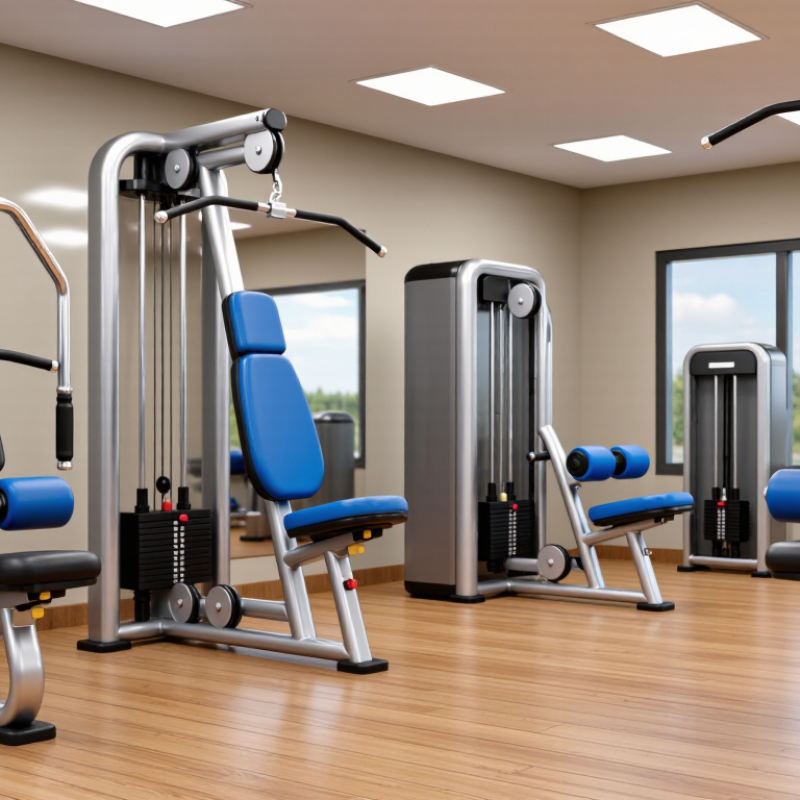
Top Arm Exercise Machine Manufacturers and Suppliers Worldwide

Types of Arm Exercise Machines and Their Main Uses

Arm Exercise Machines are designed for specific movement patterns, not simply larger muscles. Cable stations use adjustable pulleys for curls, pressdowns, and diagonal raises. They suit beginners because resistance changes in small increments. A preacher curl machine supports the upper arms and limits swinging. It is useful for controlled biceps work after lighter warm-up sets. Triceps extension machines keep the elbows fixed and emphasize elbow extension. The seat and handle should align with the user’s joints. Small adjustments matter. Poor alignment can create uncomfortable pressure.

Assisted dip and pull-up machines train the arms with chest and back involvement. They help users practice full repetitions while reducing bodyweight. Seated arm curl units target elbow flexion with a stable torso. Multi-station systems combine exercises where floor space is limited. In professional facilities, cables, selectors, and padded contact points need regular inspection. Smooth resistance matters more than impressive weight. Use slow repetitions, neutral wrists, and a pain-free range. A machine does not correct poor technique. That part still requires attention. Even experienced users sometimes choose excessive resistance. Some athletes may prefer free weights for natural movement, while others need machine stability during early strength training or rehabilitation. Suppliers should offer clear adjustment guides, durable parts, and responsive maintenance support. The best choice is rarely the most complicated one.

Key Features to Compare Among Arm Exercise Machine Manufacturers

When comparing arm exercise machine manufacturers worldwide, start with movement quality, not catalog size. A useful machine should guide the elbow smoothly through the full range. Test the handles, seat adjustment, and cable path when possible. Small gaps, sharp edges, or noisy pulleys may reveal weak quality control. Ask for load charts, frame materials, upholstery density, and documented testing procedures. Clear answers support more reliable purchasing decisions. However, specifications alone can mislead. A heavy frame is not automatically safer or more durable.

Compare adjustability for different users and training goals. Look for multiple starting positions, clear adjustment markers, and accessible pins. Check whether the machine supports controlled lifting and lowering phases. Resistance should feel consistent, without sudden drops near the endpoint. Maintenance also matters. Request service intervals, spare-part availability, warranty terms, and response times. Regional technicians may reduce downtime, but supplier promises should be checked through customer references. I would inspect welds and fasteners after repeated sessions. My early belief that thicker steel always meant better performance proved too simplistic.

Tips: Ask for a live demonstration and a written total-cost estimate. Include shipping, installation, training, repairs, and replacement cables. Record noise levels during operation. Compare at least three machines under the same load. A short trial often reveals more than polished product photography.

Leading Arm Exercise Machine Manufacturers and Global Suppliers

Leading arm exercise machine manufacturers and global suppliers are responding to stronger demand for compact, measurable strength training. The Health & Fitness Association’s 2024 Global Report recorded more than 184 million club members across 73 markets in 2023. This growth increases pressure on manufacturers to deliver durable equipment for commercial gyms, rehabilitation centers, hotels, and home users.

Reliable suppliers usually provide adjustable resistance, sealed bearings, clear load markings, and replaceable cables. A practical test matters. The handle should remain stable during slow curls, presses, and extension movements.

Frames also need consistent welds and corrosion-resistant finishes, especially in humid facilities. Grand View Research projects continued expansion in the global fitness equipment market through 2030, with technology and connected training supporting demand. However, connected features should not replace basic mechanical reliability.

Experienced manufacturers support international buyers with installation drawings, spare-part lists, warranty terms, and operator training. These details reduce downtime across different regions. Regional compliance, electrical requirements, and shipping conditions also deserve careful review. A low purchase price can become expensive after repeated cable failures or delayed parts.

Not every polished machine performs well. Some suppliers still understate maintenance needs. That deserves skepticism. Buyers should request load-cycle testing, independent inspection records, and user feedback from facilities with similar traffic. Manufacturers that document tolerances, testing methods, and corrective actions appear more trustworthy. Yet no supplier is perfect; field feedback can reveal weaknesses that laboratory testing misses.

Manufacturing Standards, Safety, and Product Quality

Top Arm Exercise Machine Manufacturers and Suppliers Worldwide

Manufacturing Standards, Safety, and Product Quality

Reliable arm exercise equipment begins with controlled manufacturing, not attractive packaging. Experienced factories use documented material specifications, traceable steel batches, and repeatable welding procedures. They should verify frame strength, cable resistance, seat adjustment, and moving clearances during production. Applicable international and local equipment standards also matter. Requirements may differ by market, so suppliers need current technical records rather than copied certificates.

Safety testing should reflect real gym conditions. Technicians can apply repeated loads, inspect pivot points, and measure stopping distances. Guards should cover pinch areas without making maintenance difficult. Handles need secure fastening and surfaces that remain comfortable after frequent cleaning. Clear instructions, warning labels, and spare-part support show practical responsibility. Small details matter.

Quality control is more than a final visual check. A dependable supplier records inspection results, investigates failed samples, and controls changes between production batches. Buyers should request test methods, factory audit evidence, and warranty terms before placing large orders. These documents do not guarantee perfect equipment. They reveal how seriously a manufacturer manages risk.

No factory is flawless. A strong partner admits defects, tracks complaints, and improves designs after field feedback. I would still question unusually low prices, vague load ratings, and certificates without product identification. A polished sample can hide inconsistent production. Real confidence comes from repeatable evidence, transparent communication, and equipment that remains stable after months of demanding use.

How to Select the Right Arm Exercise Machine Supplier

Selecting the right arm exercise machine supplier requires more than comparing prices and product photos. A reliable supplier should explain frame materials, cable systems, load ratings, and adjustment ranges clearly. Ask for current safety documents, factory quality procedures, and test records before placing an order. Do not rely on photos alone.

Request a working sample when possible. Check whether the handles feel secure, the cable moves smoothly, and the seat remains stable during repeated use. In a busy gym, small weaknesses become obvious. Loose pins, rough welds, or unclear maintenance instructions can create avoidable downtime. A supplier with experienced engineers should provide drawings, installation guidance, spare-part lists, and practical service training.

Communication also matters. Confirm production capacity, minimum order quantities, delivery schedules, packaging standards, and warranty terms in writing. Ask how quickly replacement cables, grips, and adjustment parts can be supplied. A low quote may look attractive, yet weak after-sales support can cost more later. A polished brochure is not proof of quality. Suppliers can make mistakes, and buyers should question unclear claims rather than assume everything is tested. Compare several proposals using the same checklist, including total ownership cost, user comfort, and long-term maintenance needs.