
contact-button

Top Dental 3D Printers to Watch in 2025 for Efficient Oral Care Solutions

The landscape of dental care is undergoing a significant transformation, driven by the advancements in technology, particularly in the domain of dental 3D printers. According to a recent market report by ResearchAndMarkets, the global dental 3D printing market is expected to grow at a compound annual growth rate (CAGR) of over 20% from 2021 to 2026, reflecting an increasing demand for efficient and customized oral care solutions. This rapid growth is fueled by the need for personalized dental products, including crowns, bridges, and orthodontic appliances, which are becoming increasingly accessible through additive manufacturing technologies.

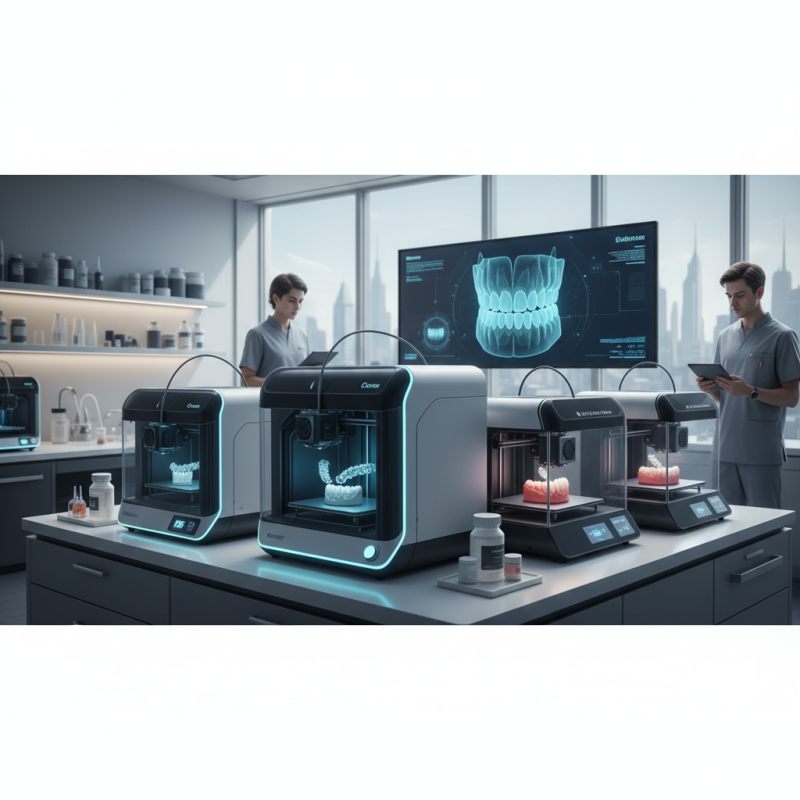
As we look toward 2025, dental 3D printers are set to become integral components in dental practices, enhancing not only the quality of patient care but also the operational efficiencies within clinics. Innovative materials and advanced printing techniques are enabling the creation of high-precision dental models that can significantly reduce turnaround times and costs. Moreover, the adoption of dental 3D printers is contributing to more sustainable practices in the industry by minimizing waste and promoting digital workflows. In this evolving landscape, staying informed about the top dental 3D printers will be crucial for dental professionals seeking to leverage these technologies to improve outcomes and elevate the standard of care in oral health.
Top Dental 3D Printers to Watch in 2025 for Efficient Oral Care Solutions

The Rise of 3D Printing in Dentistry: A 2025 Perspective

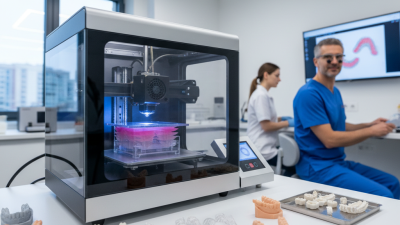
The rise of 3D printing technology in dentistry is redefining the landscape of oral care solutions, projected to gain significant momentum by 2025. This innovative approach allows for the rapid production of dental devices, such as crowns, bridges, and orthodontic models, directly from digital impressions. By eliminating the lengthy processes traditionally associated with dental procedures, 3D printing enhances efficiency, reduces costs, and improves patient outcomes. As more dental practices embrace this technology, the ability to customize treatments to individual patient needs becomes more accessible, ensuring a higher level of personalized care.

Furthermore, the advancement of 3D printers is being complemented by improved materials specifically designed for oral applications. Dentists are now able to utilize biocompatible substances that mimic the natural appearance and functionality of teeth, leading to better aesthetic results and increased patient satisfaction. The ease of use and faster turnaround times associated with these printers also open doors for more complex procedures to be performed in-house, greatly reducing the need for outsourcing. As we approach 2025, the integration of 3D printing in dental practices will likely revolutionize how dentists approach treatment planning, making it an exciting era for both practitioners and patients alike.
Key Features of Top Dental 3D Printers for Oral Care Solutions

Top Dental 3D Printers to Watch in 2025 for Efficient Oral Care Solutions

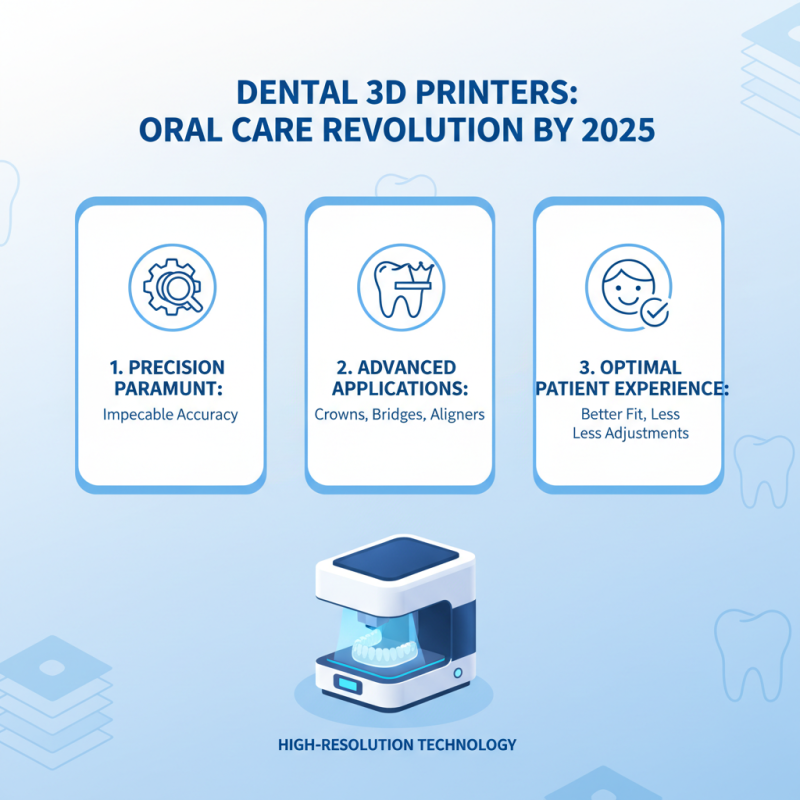
When examining the top dental 3D printers set to revolutionize oral care solutions by 2025, several key features stand out. Firstly, precision is paramount, as dental applications require impeccable accuracy for creating crowns, bridges, and aligners. Advanced printers will utilize high-resolution technology, enabling practitioners to produce intricate models with optimal detail. This precision not only enhances the fit and aesthetics of dental products but also minimizes the need for adjustments, leading to better patient experiences.

Another crucial aspect is the speed of production. Future dental 3D printers are expected to significantly reduce printing times, allowing dental practices to meet increasing patient demands without sacrificing quality. This efficiency will be further complemented by user-friendly software interfaces that streamline the design and printing processes, making it easier for dental professionals to integrate these technologies into their workflow. Additionally, advancements in material science will expand the range of biocompatible materials available for printing, ensuring durable and safe solutions for oral care applications while promoting better overall health outcomes for patients.

Innovative Materials Used in Dental 3D Printing Technology

In the evolving landscape of dental care, 3D printing technology is revolutionizing how dental products are manufactured, offering significant advancements in efficiency and precision. One of the key components driving this innovation is the development of specialized materials tailored for dental applications. These materials range from biocompatible resins to high-strength polymers, enabling the creation of durable and aesthetically pleasing dental restorations, such as crowns, bridges, and aligners. The ability to print these solutions on-demand not only reduces production time but also enhances the customization options available to dental practitioners.

**Tips:** When considering 3D printing materials for dental applications, prioritize those that meet specific regulatory standards for biocompatibility. Always consult with suppliers about the mechanical properties and longevity of these materials to ensure they meet the intended functional and aesthetic needs.

Moreover, advancements in material science are paving the way for even more innovative solutions. Materials infused with antibacterial properties are emerging, contributing to better oral health outcomes by minimizing the risk of infections in dental restorations. The combination of these cutting-edge materials and 3D printing technology promises to streamline workflows within dental practices, allowing for the efficient delivery of personalized care to patients, all while maintaining high standards of quality.

**Tips:** Stay updated on the latest research regarding dental 3D printing materials and collaborate with dental labs to explore new possibilities for enhancing patient care through customized solutions.

Top Dental 3D Printers to Watch in 2025 for Efficient Oral Care Solutions

Model Build Volume (mm) Layer Thickness (μm) Print Speed (mm/hour) Materials Supported
Model A 120 x 80 x 80 50 60 Resin, Biocompatible Materials
Model B 150 x 150 x 150 25 120 Ceramics, Thermoplastics
Model C 200 x 200 x 100 100 75 Dental Resins, Composites
Model D 100 x 75 x 200 75 90 Nylon, TPU

Impact of 3D Printing on Patient Care and Treatment Outcomes

The integration of 3D printing technology in dentistry is revolutionizing patient care and enhancing treatment outcomes. According to a report by the American Dental Association, the adoption of 3D printing in dental practices has increased by over 30% in the past five years. This surge is largely attributed to the technology's ability to produce custom dental solutions, significantly reducing the time between diagnosis and treatment. By utilizing 3D-printed models for surgical guides and prosthetics, dental professionals can achieve a higher degree of precision, which directly correlates with improved patient satisfaction and recovery times.

Furthermore, a study published in the Journal of Prosthetic Dentistry indicates that the accuracy of 3D-printed dental appliances can reduce the need for adjustments and remakes by up to 40%. This not only streamlines the workflow in dental clinics but also minimizes discomfort for patients who would otherwise require multiple visits. As research continues to demonstrate the clinical benefits of 3D printing, it's expected that more dental practices will adopt this technology, leading to enhanced patient care and better long-term treatment outcomes. The future of dentistry is clearly leaning towards more efficient, patient-centered approaches facilitated by advanced tech innovations.

Future Trends in Dental 3D Printing: What to Expect in 2025

As we approach 2025, the dental industry is set to witness significant advancements in 3D printing technology that promise to revolutionize oral care solutions. One of the most anticipated trends is the enhanced integration of artificial intelligence in the design and production processes. AI algorithms are being developed to improve the precision and personalization of dental devices, making it possible to create customized aligners, crowns, and bridges tailored to the exact specifications of each patient's oral anatomy. This shift towards AI-driven solutions will streamline workflows, reduce production times, and ultimately lead to better patient outcomes.


Another key trend expected to emerge in 2025 is the use of biocompatible materials in dental 3D printing. The development of innovative materials that mimic natural tooth properties will not only enhance the aesthetic appeal of dental restorations but also improve their longevity and functionality. Additionally, these materials are likely to be more eco-friendly, aligning with the growing emphasis on sustainability in healthcare practices. As dental professionals begin to adopt these advanced materials and techniques, patients can look forward to receiving more effective and visually pleasing oral care solutions that reflect the evolution of dental technology.