
contact-button

Top 10 Fass Fuel Heater Manufacturers for Global Buyers

Cold starts can turn a small fuel-system weakness into a costly delay. In its Fuel Economy in Cold Weather guidance, the U.S. Department of Energy reports that conventional gasoline vehicles can see fuel economy fall by about 15% at 20°F compared with 77°F, with short trips causing larger losses. These figures do not measure diesel-heater performance. They do show how strongly low temperatures can affect vehicle operation.

A Fass Fuel Heater is intended to help manage cold-weather fuel delivery, but the right choice depends on the application. Buyers should check voltage, heating capacity, temperature limits, filter and engine compatibility, installation requirements, and warranty terms. Details count. A heater designed for one truck or fuel system may not suit another, even when the product descriptions sound similar.

This guide compares ten manufacturers for global buyers, focusing on product range, technical documentation, quality controls, and after-sales support. Where possible, buyers should verify specifications against manufacturer datasheets and confirm local service availability before ordering. Cold starts matter. So does evidence. Not every published claim includes independent test results, and that gap deserves attention. The comparison is a practical starting point, not a substitute for engineering review or a confirmed fit check.
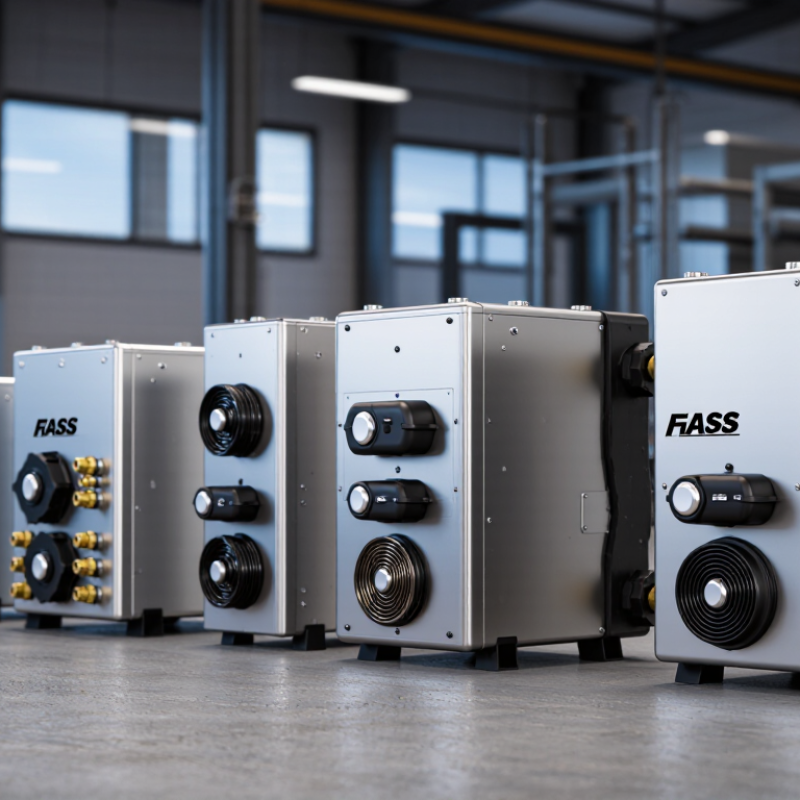
Top 10 Fass Fuel Heater Manufacturers for Global Buyers

What Is a FASS Fuel Heater and How Does It Work?

A fuel heater is an electrical or coolant-assisted component used in some diesel fuel systems. It warms fuel near the filter or water separator, where cold conditions can encourage wax crystals to restrict flow. The aim is not to make the fuel hot. It is to help maintain a clear route through the system.

In an electric design, power heats an element built into or beside the filter assembly. A thermostat or control circuit may switch it on when temperatures drop. Heat transfers to the fuel or nearby housing, helping limit wax buildup around the filter media. The fuel pump can then draw fuel toward the engine more reliably. Small detail: heating does not replace suitable cold-weather fuel or regular filter service.

Fit and operation depend on the system’s voltage, current draw, hose layout, seals, and control method. A slow cold start may also come from a weak battery, restricted filter, or air leak, so the heater is not always the cause—or the cure. It can take time to warm the fuel, and a fully blocked filter may not clear quickly. That limitation is easy to overlook.

Which Criteria Matter When Comparing Fuel Heater Manufacturers?

Top 10 Fass Fuel Heater Manufacturers for Global Buyers

Which Criteria Matter When Comparing Fuel Heater Manufacturers?

Compare manufacturers by verified heating performance, not headline wattage alone. Ask for test curves showing fuel temperature rise, flow rate, pressure drop, and power draw at defined ambient temperatures. NREL’s 2016 Biodiesel Handling and Use Guide defines B20 as 20% biodiesel by volume. It also explains that cold-flow behavior varies with feedstock and blend. ASTM D975 covers multiple diesel grades, so test conditions should match the fuel your equipment will actually use. A polished brochure can still hide a weak test method.

Tips: Request a sample test report. Check the sensor location, warm-up time, and shutoff temperature. Small details matter.

Review construction and serviceability next. Ask for materials data on seals, wiring, and corrosion resistance, plus documented vibration and thermal-cycle testing. Confirm the heater’s operating range, installation instructions, warranty terms, and spare-parts lead times for your destination market. Seek traceable lot records and a named technical contact. These are practical signs of quality control, not guarantees. I would also compare test results from independent labs where available; supplier data alone can leave gaps. A clear answer about failures and corrective actions may be more useful than a long list of claimed features.

Profiles of the Top 10 FASS Fuel Heater Manufacturers

These ten manufacturer profiles are best compared by engineering choices, not headline wattage. One profile may emphasize compact 12-volt heaters for tight engine bays; another may integrate filtration, water separation, and heating in one assembly. Look closely at fuel-flow ratings, connector sealing, replacement-element availability, and installation instructions. A heater that fits neatly but restricts flow is a poor trade. Support matters, too: clear wiring diagrams can save hours in a cold workshop. Still, public product data is uneven, so direct rankings deserve caution.

Market scale offers context, not proof of heater demand. The U.S. Energy Information Administration’s 2023 energy review reports average U.S. distillate fuel-oil consumption of about 3.9 million barrels per day. The International Energy Agency’s Oil 2024 report projected global oil-demand growth of roughly 960,000 barrels per day in 2024. Neither figure measures fuel-heater sales. For buyers, compare each maker’s stated temperature range with the actual fuel, voltage, and operating conditions. Ask for test details. A published rating is not the whole story. Field performance can vary with cold starts, clogged filters, and installation quality. Some profiles may look less impressive on paper, yet offer better service access; that distinction is easy to overlook.

Top 10 Fass Fuel Heater Manufacturers for Global Buyers - Profiles of the Top 10 FASS Fuel Heater Manufacturers

Anonymous, non-ranked buyer comparison. The entries describe capabilities and verification points—not specific companies or product claims. Heater specifications vary by model and application.

Profile Capability to assess Buyer-verifiable information Why it matters
Profile 1 Heater configuration Whether the design is in-tank, in-line, or another configuration; confirm the specified installation and fitment. Configuration affects installation, service access, and compatibility with the vehicle or fuel system.
Profile 2 Electrical compatibility Rated supply voltage, current draw, wiring requirements, and protection instructions for the specific model. Vehicle electrical systems differ; the heater must match the available supply and installation requirements.
Profile 3 Power and operating limits Documented power rating and operating conditions. For a resistive load, electrical power relates to voltage and current by P = V × I. Published ratings help buyers assess electrical load; they should not be inferred from appearance or heater type.
Profile 4 Fuel and material compatibility Written compatibility information for the intended fuel and any blends, plus details of fuel-contact materials where available. Compatibility depends on the heater’s materials and design; suitability for one fuel does not establish suitability for every blend.
Profile 5 Flow and pressure data Published flow and pressure limits, including the conditions and test method used for the ratings. Flow and pressure requirements vary by system; ratings are meaningful only when their test conditions are clear.
Profile 6 Temperature control Control method, stated temperature limits, and instructions for managing or monitoring operation. Control arrangements differ by model; buyers should confirm how the unit operates rather than assume a particular set point.
Profile 7 Heating and filtration functions Whether filtration is included, the filter specifications, and the recommended service interval, if applicable. Heating and filtration are distinct functions; a heater should not be assumed to filter fuel unless documentation confirms it.
Profile 8 Cold-weather application Documented operating-temperature range and any stated fuel, installation, or environmental conditions. Cold-flow behavior depends on the fuel and conditions, so performance should be checked against the buyer’s actual operating environment.
Profile 9 Market compliance documentation Applicable declarations, test reports, or certifications for the exact model and destination market. Requirements vary by jurisdiction and product category; buyers should verify current documentation rather than assume universal approval.
Profile 10 Service and export support Written warranty terms, replacement-part availability, installation documents, and shipping or support terms for the destination country. Clear after-sales terms help buyers plan maintenance and evaluate total ownership requirements.

How Do the Manufacturers Compare in Products and Global Reach?

Comparing fuel-heater manufacturers means looking beyond headline wattage. Product ranges may include inline heaters, filter-mounted units, and replacement assemblies, each suited to different fuel-system layouts. Check voltage, connector type, hose diameter, mounting space, and stated operating temperature. Small mismatches can turn a straightforward installation into extra workshop time. Details matter.

Global reach is not just a shipping map. Ask whether the supplier can provide regional distributors, clear installation documents, replacement parts, and responsive technical support across time zones. Export experience may help with packaging and delivery estimates, but buyers should verify availability for their destination. Not always easy. Published product data can also vary: one catalog may show tested flow conditions, while another lists only a temperature range. That makes direct comparisons imperfect. Request comparable specifications and confirm fitment against the vehicle or equipment details before ordering. A broad product line is useful, yet consistent documentation and accessible parts may matter more when a heater needs service far from the original supplier. Some catalog pages still leave basic questions unanswered.

How Can Global Buyers Select the Right Fuel Heater Supplier?

Choosing a fuel heater supplier starts with the equipment, not the catalog. Confirm the fuel type, required flow rate, operating temperature, and available power. Ask for a technical data sheet that matches your actual setup, including pressure limits and connection sizes. A heater that fits on paper may still struggle in a cold, exposed installation. Small details matter.

Tips: Request test results for comparable operating conditions. Check how quickly the supplier can provide replacement elements, wiring diagrams, and installation guidance. Ask who handles technical questions after delivery. Clear answers are useful; vague promises are not.

Review product materials, temperature ratings, warranty terms, and quality-control procedures. If possible, speak with buyers who use similar equipment in similar climates. Look for consistent documentation, not just polished sales claims. A site visit or sample inspection can reveal practical details, such as connector quality and labeling. Compare the full service offer, too: a lower purchase price may mean slower support or limited spare parts. No supplier is perfect, and specifications may need revision after installation. That is worth admitting early. Keep written records of agreed performance targets and delivery dates, then confirm them before placing an order.

Top 10 Fass Fuel Heater Manufacturers for Global Buyers

How can global buyers select the right fuel heater supplier? Compare suppliers against these practical evaluation criteria. The percentages are suggested scoring weights, not market-survey results or manufacturer ratings.

Prioritize compatibility with the intended engine and fuel system, then assess cold-weather performance, durability, required certifications, filtration, after-sales support, and total ownership cost. Verify specifications and compliance documentation for your destination market before purchasing.