Top 10 Tank Truck Manufacturers for Global Buyers
Choosing a Tank Truck manufacturer is a practical decision with long-term consequences. Buyers must compare payload, tank material, compartment layout, chassis compatibility, and service support—not just the quoted price. A polished brochure can hide an inconvenient detail: the truck may not fit local roads, loading bays, or maintenance capacity.
Industry reports help explain why these choices matter. The International Transport Forum’s ITF Transport Outlook 2023 examines rising freight demand alongside pressure to reduce emissions. Its analysis reinforces the value of assessing vehicle efficiency and operating life, not only purchase cost. UNECE’s ADR framework also sets technical requirements for road transport of dangerous goods in participating regions; requirements vary by jurisdiction and cargo. Buyers should verify applicable local rules with qualified authorities.
Details matter. A stainless-steel tank, welded seams, accessible valves, and well-placed inspection points can shape daily cleaning and maintenance. So can spare-parts availability. No supplier is perfect. A manufacturer with strong engineering may have limited overseas service, while a smaller builder may offer useful customization but less production capacity. This guide compares ten manufacturers through product range, build quality, customization, certifications, and after-sales support. Use it as a starting point, then check specifications, references, and service terms against your actual routes and cargo. A short factory visit—or a close review of drawings and maintenance records—can reveal gaps that a sales sheet cannot.
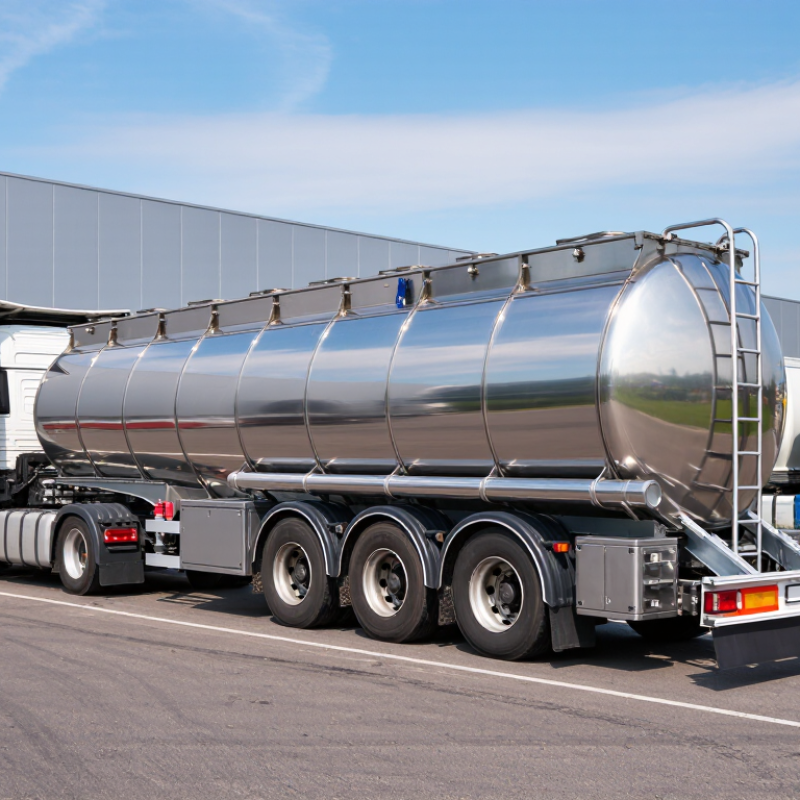
Tank Trucks Defined: Types, Payloads, and Common Global Applications
Tank trucks are road vehicles built to move liquids or flowable materials in a sealed tank. Their shape, lining, insulation, and internal compartments depend on the cargo. Common types include water tankers, food-grade tankers, insulated liquid tankers, and vacuum trucks for collected wastewater. The details matter.
Payload means the cargo a vehicle can carry, not the tank’s full volume. Axle limits, tank weight, road conditions, and liquid density all affect the usable load. A large tank may hold less than expected when carrying a heavier liquid. Buyers should compare rated payload and tank capacity separately, then check local operating requirements with qualified transport professionals.
Applications vary by region and route. Water tankers supply farms, construction sites, and communities without reliable pipelines. Food-grade vehicles move milk and other liquid ingredients, where cleanable surfaces and careful loading help protect product quality. Insulated tanks can help keep temperature-sensitive liquids within a suitable range during transit. Vacuum trucks support municipal and industrial cleaning work. Specifications on paper can look neat; real roads, wash routines, and delivery schedules are less predictable. A careful buyer checks those everyday demands before choosing a configuration.
Design and Compliance: The U.S. 80,000-lb Interstate GVW Limit and 49 CFR Part 178
For global buyers comparing tank truck manufacturers, the U.S. 80,000-pound interstate limit is a starting point, not a payload promise. It generally caps the combined weight of the tractor, trailer, cargo, and equipment on qualifying interstate routes. Axle limits and the federal bridge formula can reduce allowable weight further. State rules and permitted exceptions may differ. Weight is unforgiving.
A tank’s usable capacity depends on more than its shell volume. A stainless-steel vessel, insulation, pumps, hoses, and safety equipment all add pounds. Ask for a documented weight estimate for the complete vehicle, including a realistic cargo load and axle distribution. A polished drawing may still miss brackets or service equipment; verify the finished configuration.
For applicable hazardous-material cargo tanks, 49 CFR Part 178 sets specification and construction requirements. The exact requirements depend on the tank’s service, design, and materials. Part 178 is not the whole compliance picture: buyers should confirm applicable testing, inspection, marking, and operating rules with qualified U.S. compliance professionals. Request material records, weld documentation, and test reports before delivery. Details matter. A small paperwork gap can delay acceptance, even when the tank looks sound.
Top 10 Tank Truck Manufacturers: Regions, Product Lines, and Market Reach
A useful comparison of ten tank-truck manufacturers starts with geography, not a universal ranking. North American suppliers commonly serve fuel distribution and heavy-duty highway fleets, while European builders often emphasize configurable chassis and specialized liquid transport. Asian manufacturers offer broad production capacity and serve both domestic and export markets. These are tendencies, not rules; individual product ranges vary.
Product lines reveal more than catalog size. Buyers may compare fuel, chemical, food-grade, water, and multi-compartment tankers, then check tank material, axle layout, payload, and service access. A stainless-steel tank and cleanable fittings matter for food transport. A rugged suspension and accessible valves matter on rough delivery routes. Small details count.
OICA’s 2023 production report recorded about 26.4 million commercial vehicles worldwide, but that figure covers far more than tank trucks. It signals the scale of the wider vehicle supply base, not tanker demand. The World Bank’s 2023 Logistics Performance Index assessed 139 economies, underscoring how transport infrastructure differs between markets. For global buyers, reach means more than export presence: parts availability, technician training, and clear documentation determine whether a truck can stay in service. A polished specification sheet cannot answer every local question. Check regional service commitments and operating conditions before comparing quoted prices.
Comparing Manufacturers: Tank Materials, Capacity, Axles, Pumps, and Safety Systems
Tank material should match the cargo, cleaning method, and service life. Stainless steel resists many corrosive products and cleans smoothly, while aluminum can reduce tare weight. Carbon steel may suit less demanding applications. Ask for material certificates, weld records, and lining details—not just a brochure. There is no perfect tank.
Capacity must fit real routes and loading points. A larger shell is not automatically more useful; axle count, spacing, and local weight limits shape usable payload. Check whether baffles are fitted and how they affect surge during braking. Pump flow, hose diameter, meter accuracy, and drainability also matter. Request a loaded-flow test.
Safety equipment deserves close comparison. Specify braking and stability controls, rollover protection, pressure-relief devices, and emergency shutoffs for the intended duty. FMCSA’s Large Truck and Bus Crash Facts 2022 counted 5,837 large trucks involved in fatal crashes in the United States; that figure covers all large trucks, not tankers alone. It is a useful reminder, not a tanker-specific risk estimate. Compare inspection access, corrosion protection, and service support, too. A polished specification sheet cannot answer everything. Ask operators what fails first. They may disagree. That is worth noting.
Global Buyer Checklist: ADR 2025, 49 CFR, Certification, Warranty, and Service
For a global tank-truck purchase, match the vehicle to the route, cargo, and destination rules before comparing prices. ADR 2025 sets requirements for international road transport of dangerous goods, while U.S. buyers should check applicable 49 CFR provisions, including tank and vehicle specifications. Ask for documents tied to the exact configuration: design approval, inspection records, material traceability, and market-specific certificates. FMCSA’s Large Truck and Bus Crash Facts 2022 reports 5,837 deaths in U.S. crashes involving large trucks. The figure is not tanker-specific, but it underlines why safety evidence matters.
Tips: Request sample documents before signing. Verify serial numbers against certificates, and confirm who handles inspections in your destination country. A certificate alone is not enough.
Compare warranty coverage in writing. Check whether it includes tank corrosion, valves, pumps, labor, and travel costs; exclusions can matter more than the headline term. Ask for service response times, spare-parts locations, and technician availability near your operating routes. Clarify how warranty claims work across borders. If answers stay vague, pause. I would also ask for references from buyers using a similar tank design and duty cycle; one overlooked detail can delay delivery or leave a truck idle.



 Customer Support
 Request Sample
 Contact