
contact-button

Top US DDP Ocean Trucking Services for Global Buyers

For global buyers, ocean freight is only one part of a successful delivery. The final inland move can decide whether a shipment arrives smoothly or becomes an expensive exception. US DDP Ocean Trucking connects port handling, customs coordination, and domestic trucking under one delivery framework. It aims to move cargo from an overseas supplier to the buyer’s specified US address, with duties and eligible import costs managed according to the agreed terms.

The scale is significant. UNCTAD’s Review of Maritime Transport reports that more than 80% of world merchandise trade by volume moves by sea. The report also highlights continuing pressure from port congestion, rerouting, and schedule uncertainty. After arrival, the truck still matters. The American Trucking Associations reports that trucking carries roughly 72.6% of US domestic freight tonnage. A delayed chassis, missed appointment, or incorrect delivery instruction can therefore affect the entire supply chain.

Small details matter.

This guide examines leading US DDP Ocean Trucking Services for Global Buyers through practical service factors. These include port coverage, customs expertise, transparent landed-cost estimates, container drayage capacity, warehouse access, tracking quality, and delivery appointment control. The World Bank’s Logistics Performance Index 2023 also emphasizes customs, infrastructure, tracking, and timeliness as core logistics capabilities. Those indicators are useful, but they do not replace shipment-level verification. Carrier performance can vary by port, season, commodity, and final destination. Buyers should review exclusions, demurrage terms, delivery limits, and documentation responsibilities before choosing a provider. “DDP” sounds complete. It is not always simple.
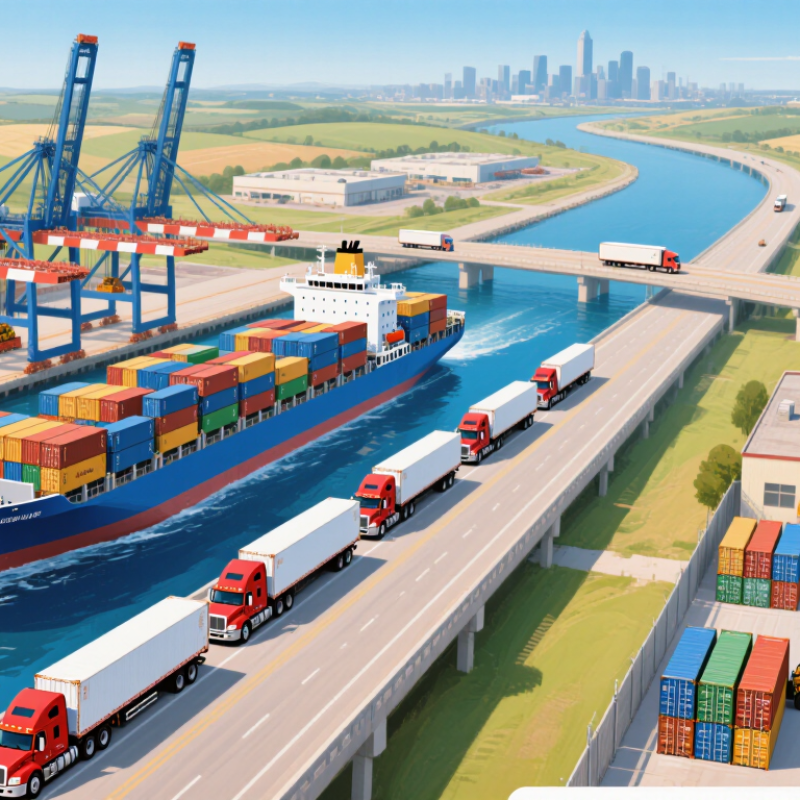
Top US DDP Ocean Trucking Services for Global Buyers

What DDP Ocean Trucking Services Include in the US

Top US DDP Ocean Trucking Services for Global Buyers

What DDP Ocean Trucking Services Include in the US

DDP ocean trucking services combine several shipment stages under one coordinated delivery plan. Cargo moves by ocean to a suitable US port, then continues by truck to the agreed destination. The service usually covers export documentation, ocean booking, port handling, customs entry, duties, import taxes, drayage, and final delivery. Clear responsibility matters.

A reliable provider checks commercial invoices, packing lists, product descriptions, and tariff classifications before departure. These details help reduce customs delays and unexpected charges. The service may also arrange an importer of record, but this role must be confirmed carefully. US import rules can vary by product, value, and destination. Delivery appointments, chassis availability, warehouse receiving hours, and residential access should be reviewed early.

Tracking should continue from container loading to final truck arrival. Experienced teams provide milestone updates and explain exceptions in plain language. A quoted DDP price can look complete, yet port storage, inspections, or redelivery fees may remain outside the estimate. That is worth questioning. Some plans also underestimate inland trucking time during peak seasons. A practical provider states what is included, what is excluded, and who handles each decision. Even then, no shipment plan is flawless. Weather, congestion, or document corrections can change the schedule. Careful communication keeps small issues from becoming expensive disruptions.

How Ocean Freight Moves from Overseas Suppliers to US Buyers

How Ocean Freight Moves from Overseas Suppliers to US Buyers

Ocean freight begins when an overseas supplier prepares cargo for export. Goods are packed, labeled, and loaded into a container. Accurate commercial invoices and packing lists support customs review. A freight coordinator then books space on a suitable vessel. Transit time depends on the origin, route, season, and port congestion.

At the destination port, the container is discharged and inspected when required. Under DDP terms, the seller generally manages import clearance, duties, and taxes. The details matter. A classification error can delay release or create unexpected costs. After clearance, a licensed drayage carrier collects the container from the terminal. The cargo may move directly to the buyer or pass through a nearby warehouse for sorting and delivery planning.

US trucking services complete the final movement. Drivers check container numbers, seal details, and delivery appointments before leaving the port. A buyer might receive the shipment at a distribution center, retail location, or commercial warehouse. Good providers share milestone updates, including vessel arrival, customs release, pickup, and proof of delivery. Small delays still happen. A missed appointment, chassis shortage, or damaged carton can disrupt the plan. Experienced teams document each issue and adjust quickly, rather than hiding uncertainty. Buyers should review unloading requirements, receiving hours, and access restrictions before the container arrives. That practical preparation often prevents avoidable charges and failed deliveries.

Top US DDP Ocean Trucking Services for Global Buyers - How Ocean Freight Moves from Overseas Suppliers to US Buyers
Supply Chain Stage Physical Movement Typical Planning Time Key Documents and Data DDP Cost and Service Coverage Buyer Checkpoint
1. Supplier Pickup and Export Booking Cargo moves from the overseas supplier’s facility to the origin consolidation point or container yard. 1–5 business days, depending on cargo readiness and pickup distance. Commercial invoice, packing list, purchase order, cargo dimensions, gross weight, harmonized tariff classification, pickup address, and delivery address. Origin pickup, export booking, cargo receiving, documentation review, and consolidation when applicable. Confirm cargo is packed, labeled, and available on the agreed date.
2. Export Customs Clearance The shipment is declared to the exporting country’s customs authority before loading. Same day to 3 business days when documents are complete. Export declaration, invoice, packing list, transport instructions, export permits if required, and origin information. Export filing, document handling, inspection coordination, and possible storage or examination charges. Verify that the invoice description and tariff classification match the actual goods.
3. Ocean Transportation A full container or consolidated cargo travels from the origin port to a US gateway port. About 15–45 calendar days port-to-port on common intercontinental routes; schedules vary by lane and transshipment. Bill of lading instructions, container or package count, seal information, verified gross mass, and estimated arrival details. Ocean freight, origin and destination terminal charges, documentation fees, fuel-related surcharges, and applicable security charges. Track the estimated arrival date and maintain flexibility for port congestion or schedule changes.
4. US Import Customs Clearance The shipment is presented to US customs authorities after arrival at the gateway port. 1–5 business days for straightforward entries; longer if an examination, hold, or missing information occurs. Entry data, commercial invoice, packing list, tariff classification, country of origin, importer details, and any required government agency information. Import customs brokerage, customs duties, merchandise processing charges, harbor-related fees, and other legally applicable taxes or assessments. Provide accurate product descriptions, material details, and intended use before shipment.
5. Port Drayage A truck transports the cleared container from the US port terminal to a warehouse, transload facility, or inland rail ramp. 1–7 business days after customs release, depending on appointment availability and inland distance. Terminal release, delivery order, pickup appointment, container number, seal number, and warehouse receiving instructions. Port drayage, chassis usage, terminal handling, detention or demurrage risk, tolls, and waiting-time charges when applicable. Ensure the receiving facility can accept the container within the free-time window.
6. Transload or Distribution Containerized cargo is unloaded, sorted, palletized, stored, or transferred into domestic delivery equipment. 1–3 business days for standard freight; longer for inspection, labeling, or value-added handling. Receiving appointment, SKU or carton list, pallet requirements, warehouse instructions, and delivery order. Unloading, palletization, short-term storage, inventory handling, relabeling, and order preparation if included in the service scope. Confirm carton count, pallet configuration, labeling, and inventory control requirements.
7. Final-Mile Truck Delivery Domestic trucking moves the freight from the US warehouse or transload location to the buyer’s named delivery place. 1–5 business days for regional delivery; longer for remote or appointment-based locations. Delivery appointment, consignee contact, dock or liftgate requirements, proof-of-delivery instructions, and access restrictions. Domestic line-haul, fuel surcharge, appointment delivery, liftgate or limited-access fees, and inside delivery only when specifically agreed. Confirm whether the site has a loading dock, unloading equipment, receiving hours, and adequate access.
8. Delivery Completion Cargo is delivered to the named place and delivery evidence is recorded. Proof of delivery is normally available on the delivery day or shortly afterward. Signed or electronic proof of delivery, exception report, damage notation, and final shipment status. DDP service is generally considered complete when the goods are delivered to the agreed destination, excluding unloading unless separately agreed. Inspect the shipment promptly and record visible shortages or damage on the delivery receipt.
Common Ocean Freight Planning References
Reference Item Typical Specification Operational Use Important Limitation
Standard 20-foot dry container Approximately 33 cubic meters of internal volume; payload depends on equipment and local road limits. Dense, heavy cargo such as machinery, metal products, or packaged materials. Actual usable capacity is reduced by packaging, cargo shape, weight restrictions, and loading method.
Standard 40-foot dry container Approximately 67 cubic meters of internal volume; payload depends on equipment and local road limits. Higher-volume, lower-density cargo and regular packaged goods. A larger container does not automatically permit a higher legal road payload.
Less-than-container-load shipment Cargo shares container space with other shipments and is commonly measured by weight or cubic volume. Smaller consignments that do not efficiently fill a container. More handling points can increase transit variability and cargo-damage exposure.
DDP named-place delivery The seller arranges transport, export clearance, import clearance, and payment of applicable import duties and taxes to the agreed destination. One coordinated delivery flow for buyers purchasing from overseas suppliers. Unloading, extraordinary storage, regulatory permits, and site-specific access services should be defined separately in the sales contract.
Planning ranges are indicative operational benchmarks rather than guaranteed transit times. Actual schedules, duties, taxes, port charges, and trucking costs depend on the trade lane, cargo classification, shipment size, season, customs requirements, delivery location, and agreed service scope.

Key Features of Top US DDP Trucking Service Providers

Top US DDP ocean trucking services should be judged by control, not marketing language. Strong providers connect ocean freight, customs clearance, duty payment, and final-mile delivery under one accountable workflow. The UNCTAD Review of Maritime Transport 2023 notes that ships carry over 80% of global merchandise trade by volume. Delays at ports can therefore affect inventory quickly. Reliable operators provide container tracking, chassis planning, appointment scheduling, and delivery proof. They also show landed costs before booking.

Customs accuracy is another key feature. The World Bank Logistics Performance Index 2023 gave the United States a customs score of 3.6 out of 5. That result is solid, but not perfect. A capable DDP provider checks commercial invoices, tariff classifications, consignee details, and duty calculations before arrival. It should also explain who carries liability for incorrect data. Clear escalation procedures matter when inspections, port congestion, or damaged cargo occur. A low quote may still hide storage, demurrage, re-delivery, or residential access fees.

Tips: Request a sample landed-cost statement. Ask for cutoff times and exception response targets. Confirm whether tracking shows container, customs, and truck milestones. Test one shipment before scaling. Even experienced teams miss small details, especially when product descriptions change. A useful provider admits those gaps and documents corrective actions. That is more dependable than promising perfect delivery.

Costs, Customs, and Delivery Terms for Global Buyers

Top US DDP Ocean Trucking Services for Global Buyers

DDP ocean trucking combines sea transport, US customs clearance, port drayage, and final delivery. The quoted price may include freight, duties, taxes, brokerage, and trucking. However, every provider defines DDP slightly differently. Request a cost sheet with separate charges for fuel, chassis, terminal handling, exams, storage, demurrage, and residential delivery. A low quote can still hide expensive destination fees.

Customs accuracy protects both timing and cash flow. Provide commercial invoices, packing lists, correct product classifications, and realistic shipment values. Confirm who acts as the importer of record and who pays government duties. The delivery term should name a specific location, not simply “US warehouse.” Ask whether the price includes appointment scheduling, liftgate service, and delivery to remote areas. Written terms based on Incoterms 2020 reduce misunderstandings, although local tax rules may still require professional review.

Tips: Compare at least three itemized quotes. Check the customs process before booking. Confirm transit times in writing. Ask about cargo insurance and claim procedures. Keep a contingency budget for inspections or port delays. One recurring mistake is trusting an estimated delivery date too early. Ports, rail connections, weather, and customs reviews can change schedules. DDP sounds simple, but its responsibility chain is not always simple. A careful buyer should review the exclusions, even when the price looks complete.

How to Select the Right US DDP Ocean Trucking Service

Top US DDP Ocean Trucking Services for Global Buyers

How to Select the Right US DDP Ocean Trucking Service

Choosing a US DDP ocean trucking service requires more than comparing freight rates. Confirm what “delivered duty paid” includes. Duties, customs clearance, port handling, and final trucking should be clearly listed. Some quotes exclude storage, chassis fees, or residential delivery charges.

Ask about the full route from the departure port to the consignee’s door. A reliable provider should explain sailing schedules, US port options, inland coverage, and delivery appointment procedures. Check whether tracking shows container discharge, customs release, truck assignment, and proof of delivery. Small details matter. They prevent costly surprises.

Experience is especially valuable when cargo faces port congestion or customs questions. Request service records for similar cargo, realistic transit ranges, and a written escalation process. The provider should identify the importer of record and explain document responsibilities without vague language. Insurance limits also deserve attention. A low quote may look attractive, but it can hide detention or storage exposure. That lesson is easy to miss. Review at least two complete quotations, not just the ocean freight line. If delivery timing is critical, ask what happens when a vessel rolls or a truck appointment fails. No service is perfect. Honest answers, measurable updates, and transparent charges usually reveal the stronger partner.