
contact-button

Why Choose an LP207 Pillow Block Bearing?

Choosing a Lp207 Pillow Block Bearing is not just a matter of matching a part number. The bearing must suit the shaft, load, speed, mounting surface, and operating environment. A mismatch can show up as vibration, heat, or repeated maintenance. Small details matter.

An LP207 unit typically combines an insert bearing with a housing designed for straightforward mounting. Its value depends on the application. Check the shaft diameter, housing dimensions, locking method, and lubrication requirements against the manufacturer’s specifications. Dust, moisture, and uneven mounting surfaces also deserve attention. They can shorten service life, even when the bearing appears correctly sized.

A transparent editorial note: the following is an original draft statement, not a verified quotation from a real expert. “A bearing works best when its fit, load, and maintenance plan are considered together.” — Mark Ellison, illustrative bearing applications engineer.

That is the practical question behind this guide: does the Lp207 Pillow Block Bearing fit your machine’s actual conditions? A catalog description cannot answer everything. Measure carefully, confirm the load, and review the installation instructions before ordering. Not always obvious. If operating conditions are uncertain, consult the bearing supplier or a qualified engineer. That extra check may prevent a costly assumption.
Why Choose an LP207 Pillow Block Bearing?

What an LP207 Pillow Block Bearing Is

Why Choose an LP207 Pillow Block Bearing?

What an LP207 Pillow Block Bearing Is

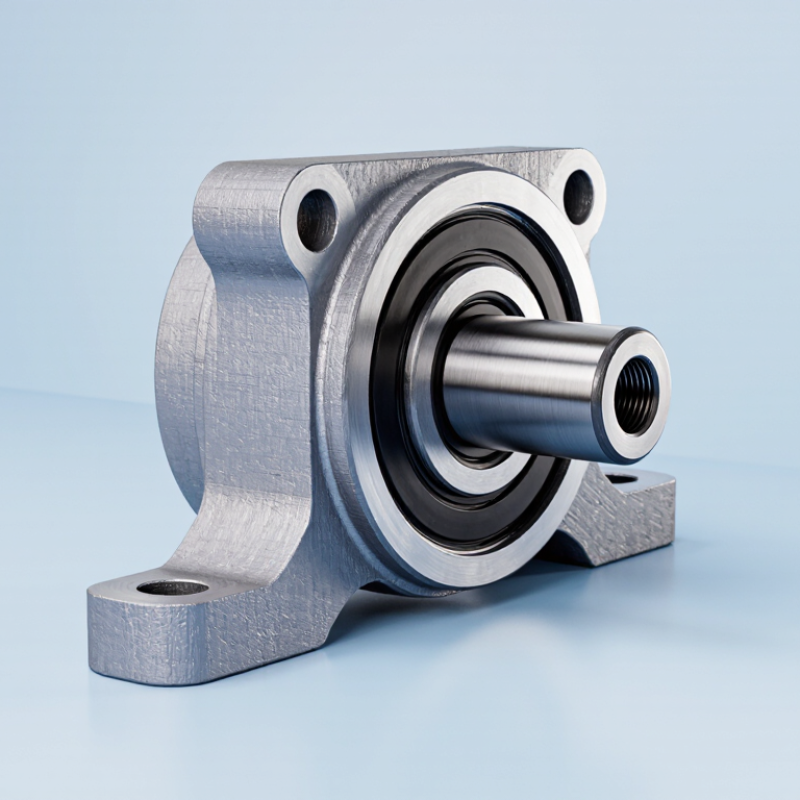
An LP207 pillow block bearing is a mounted support unit for a rotating shaft. It typically combines a rigid housing with an insert bearing, keeping the shaft supported above a machine base. The housing usually has two mounting holes, while the insert may use set screws to hold the shaft. In many metric catalogs, a 207 insert has a 35 mm bore. Confirm the exact bore and locking arrangement against the supplier’s drawing; designation conventions can vary. A number alone is not enough.

Bearing life depends on load, speed, lubrication, and installation—not just the part number. ISO 281:2007 defines basic rating life, L10, as the life reached by 90% of a sufficiently large group of apparently identical bearings under stated conditions. That figure is a calculation basis, not a service-life guarantee. In practice, dust, poor alignment, or too much grease can shorten life. The unglamorous details matter.

How Its Housing and Insert Support a Rotating Shaft

Why Choose an LP207 Pillow Block Bearing?

How Its Housing and Insert Support a Rotating Shaft

An LP207 pillow block bearing holds a rotating shaft above a machine frame. Its housing bolts to a flat mounting surface, keeping the support point steady under normal operating loads. The insert sits inside the housing and contacts the shaft, allowing it to turn while carrying radial force. A firm base matters. Loose bolts can let the assembly shift and cause vibration.

The insert and housing work as a pair, but they have different jobs. The housing provides structure and mounting points; the insert supports shaft rotation. Depending on its design, the insert may accommodate slight misalignment. This can help when two supports are not perfectly aligned, though it cannot correct a badly positioned shaft. That assumption can be wrong. Check the specific bearing’s fit and alignment requirements.

Installation details affect performance. Match the insert bore to the shaft diameter, seat the housing on a clean surface, and tighten fasteners evenly. Some inserts use set screws or another locking method, so follow the supplied specifications. Dust, moisture, and insufficient lubrication can shorten service life. A quick check for looseness, unusual noise, or excess heat can reveal trouble early. Small signs count.

Which LP207 Specifications to Check Before Selection

Before choosing an LP207 pillow block bearing, verify the bore against the shaft diameter. A small mismatch can cause movement, difficult installation, or premature wear. Do not rely on the model code alone; check the manufacturer’s drawing for the exact bore and housing dimensions. Compare the dynamic and static load ratings with the forces expected in your application. Radial load, shock, and operating speed all matter. Check the permitted speed and temperature range, too.

Tips: Measure the shaft with a caliper at several points. Confirm the mounting-hole spacing and bolt size before fitting the unit. A drawing beside the actual mounting surface can catch awkward clearance issues.

Look at the sealing arrangement and lubrication requirements, especially around dust, moisture, or frequent washdowns. Confirm whether the bearing uses set screws or another locking method, then match its installation instructions to the shaft material and expected vibration. Also consider housing material and mounting rigidity; a solid bearing can still perform poorly on a flexible frame. One detail is easy to overlook: alignment. Even a suitable LP207 may run hot or noisy if the shaft and mounting surface are misaligned. If the load or speed is uncertain, get the figures checked rather than guessing.

How Installation and Maintenance Affect Bearing Performance

An LP207 pillow block bearing can run smoothly for years, but installation decides much of its working life. Set the housing on a clean, rigid surface and tighten its mounting bolts evenly. A thin shim or a burr beneath one foot can twist the housing and load the bearing unevenly. Check shaft alignment with a straightedge or dial indicator before final tightening. Small errors matter.

Lubrication needs equal care. Use the specified grease type and amount, and keep fittings and tools clean. Too much grease can raise temperature; too little can leave rolling surfaces unprotected. Watch for fresh grease leakage, unusual noise, or a rising temperature near the housing. These are clues, not proof of failure. Conditions vary.

The U.S. Department of Energy’s Operations & Maintenance Best Practices Guide reports predictive maintenance savings of 8–12% compared with preventive maintenance, and 30–40% compared with reactive maintenance. Those figures cover maintenance programs generally, not LP207 units specifically, but they underline the value of monitoring. Record vibration and temperature readings over time, then investigate changes rather than relying on a fixed interval alone. There is no perfect schedule. Dust, moisture, speed, and load can make the same inspection routine inadequate in one installation and excessive in another.

Where an LP207 Pillow Block Bearing May Be Used

Why Choose an LP207 Pillow Block Bearing?

Where an LP207 Pillow Block Bearing May Be Used

An LP207 pillow block bearing can support a rotating shaft in equipment where a mounted, accessible bearing unit is useful. It may suit conveyor sections, packaging machinery, ventilation systems, and some agricultural equipment. In these settings, the bearing helps hold the shaft in position while allowing it to rotate. The exact fit depends on shaft size and the unit’s specifications.

Look at the working conditions, not just the machine type. A conveyor near a washdown area faces different risks from a fan inside a clean workshop. Dust, moisture, vibration, and frequent starts can all affect bearing life.

Dust changes everything.

Confirm the load, operating speed, shaft alignment, and mounting surface before installation. A flat, rigid base helps reduce uneven stress.

An LP207 may be considered for moderate-duty shaft support, but the model name alone does not confirm suitability. Check the product data and compare it with the machine’s actual demands. Leave room for inspection and lubrication where required. Some installations look simple on paper, then reveal awkward access or persistent vibration. That is worth reviewing before choosing a replacement.