contact-button

Top SLS Printer Manufacturers for Global Buyers

Choosing an sls printer for production is not just a matter of comparing headline specifications. Global buyers must assess part quality, throughput, material options, service coverage, and the true cost of ownership. A machine may look compelling on paper, yet require more operator time or process tuning than a busy factory can spare. Details matter.

This guide introduces leading SLS printer manufacturers and the factors that help buyers compare them. It considers build volume, powder handling, software, repeatability, and support for installation, training, and maintenance. These details shape daily production, from nesting small components in a build to managing powder after printing. Buyers should also ask how manufacturers document material performance and help customers validate parts for their intended use. Claims deserve careful checking.

There is no universal best choice. A research lab, a service bureau, and a manufacturer producing end-use parts may need very different systems. Regional access to spare parts and technical support can matter as much as speed. Published specifications are useful, but they cannot replace a sample build, a reference customer, or a clear discussion of operating costs. This comparison is a starting point, not a substitute for evaluation. Some information may change as product lines and service networks evolve. Verify current details directly with each manufacturer before making a purchase decision.
Top SLS Printer Manufacturers for Global Buyers

Understanding Selective Laser Sintering and Its Applications

Selective laser sintering (SLS) uses a laser to fuse selected areas of polymer powder, building parts one layer at a time. The surrounding loose powder supports many shapes, so separate support structures are usually unnecessary. Layer by layer. After printing, parts cool before workers remove and clean them. Cooling time matters; rushing this step can affect dimensions or cause warping. Nylon powders are common, though material choice depends on the part’s strength, flexibility, and heat requirements.

SLS suits functional prototypes and small production runs. Typical parts include brackets, equipment housings, air ducts, and custom-fit tools. It can produce complex channels and interlocking forms that may be difficult to make with other methods. Still, a detailed design does not guarantee a useful part. Surface texture can feel grainy, and thin features may need testing. When comparing printer manufacturers, buyers should examine build volume, material options, process consistency, and support for repeatable production—not just advertised resolution.

Tips: Ask for sample parts made with your intended material. Check small holes, thin walls, and mating surfaces. A test build can reveal issues before a full production run.
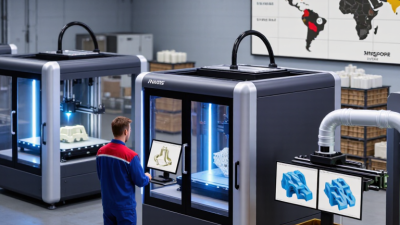
How SLS Printer Technologies and Product Categories Differ

Top SLS Printer Manufacturers for Global Buyers

SLS systems use a laser to fuse selected areas of a polymer powder bed, layer by layer. Unfused powder supports overhangs, so parts usually need no separate support structures. That matters. For buyers comparing equipment, the printer is only one part of the workflow: powder handling, sieving, cooling, and finishing also affect usable output.

Product categories differ by build volume, laser configuration, and intended production scale. Compact systems can suit prototypes and small batches, while industrial machines may offer larger chambers and workflows designed for repeated production. Common materials include PA12 for balanced strength and detail, PA11 for greater ductility, and TPU for flexible parts. Material performance still depends on settings and post-processing, not just the powder label.

A simple category label can mislead. Some catalogs use “SLS” broadly, though this discussion focuses on polymer powder-bed systems; confirm the process and material compatibility with each supplier. Ask for sample parts, stated dimensional tolerances, powder refresh guidance, and typical cooling times. Cooling can take many hours, especially with dense builds. Not always. Compare service access and local training as carefully as print speed. One overlooked detail: powder storage conditions can affect consistency, so request clear handling instructions before planning production.

Top SLS Printer Manufacturers for Global Buyers - How SLS Printer Technologies and Product Categories Differ

Product Category Typical System Configuration Common Materials Build Capacity Best-Suited Production Profile Key Purchasing Considerations
Compact and Entry-Level Polymer SLS Enclosed powder-bed system with a laser that selectively sinters polymer powder. Unsintered powder supports the part during printing, so separate support structures are generally not required. Commonly nylon powders such as PA12; material availability depends on the system. Usually smaller than industrial production systems; intended for prototypes and smaller components. Design validation, functional prototypes, and low-volume parts. Check powder handling, refresh-powder guidance, ventilation requirements, software workflow, and the availability of material and service support.
Industrial Polymer SLS Production-oriented powder-bed systems typically use a controlled heated build chamber and laser scanning. Temperature management helps limit warping and maintain consistent processing. Common options include PA12 and other nylon grades; some systems support elastomeric or filled polymer powders. Medium to large, depending on the machine model and build chamber design. Functional end-use parts, repeat production, and batches of nested components. Compare usable build volume, material qualification, process repeatability, powder recovery practices, and the supplier’s application support.
High-Throughput or Multi-Laser Polymer SLS Designed to increase production capacity through features such as multiple laser sources, larger build areas, or automated material and workflow handling. Exact configurations vary by system. Typically engineering polymers, with supported grades determined by the machine and validated process. Often larger or configured for higher daily output than compact systems. Repeated production runs and service-bureau workloads where throughput and machine utilization matter. Evaluate actual qualified output, laser overlap strategy, cooling and unpacking time, automation compatibility, and total operating cost—not just advertised build speed.
Open-Material or Research-Focused Polymer SLS May provide broader process access or parameter control for materials development. Access to settings and the range of validated powders differ between platforms. Potentially a wider selection of polymer powders, subject to system compatibility and process validation. Varies; capacity may be secondary to experimentation and process flexibility. Materials research, application development, and specialist prototyping. Confirm powder specifications, parameter access, documentation, repeatability, safety procedures, and whether third-party materials affect warranty or service coverage.
Polymer SLS Compared with Metal Powder-Bed Systems Polymer SLS fuses polymer powder using a laser. Metal laser powder-bed fusion is a distinct process family with different equipment, atmosphere, safety, and post-processing requirements; it is not simply a metal version of polymer SLS. Polymer SLS commonly uses nylon-based powders. Metal powder-bed systems use metal powders specified for their process and application. Build capacity and usable dimensions are system-specific and should be compared within the relevant process category. Select polymer SLS for polymer components; assess metal powder-bed fusion separately when metal parts are required. Compare machines only after confirming the process, material, part requirements, facility needs, and post-processing route.

Leading SLS Printer Manufacturers in the Global Market

Top SLS Printer Manufacturers for Global Buyers

Leading SLS Printer Manufacturers in the Global Market

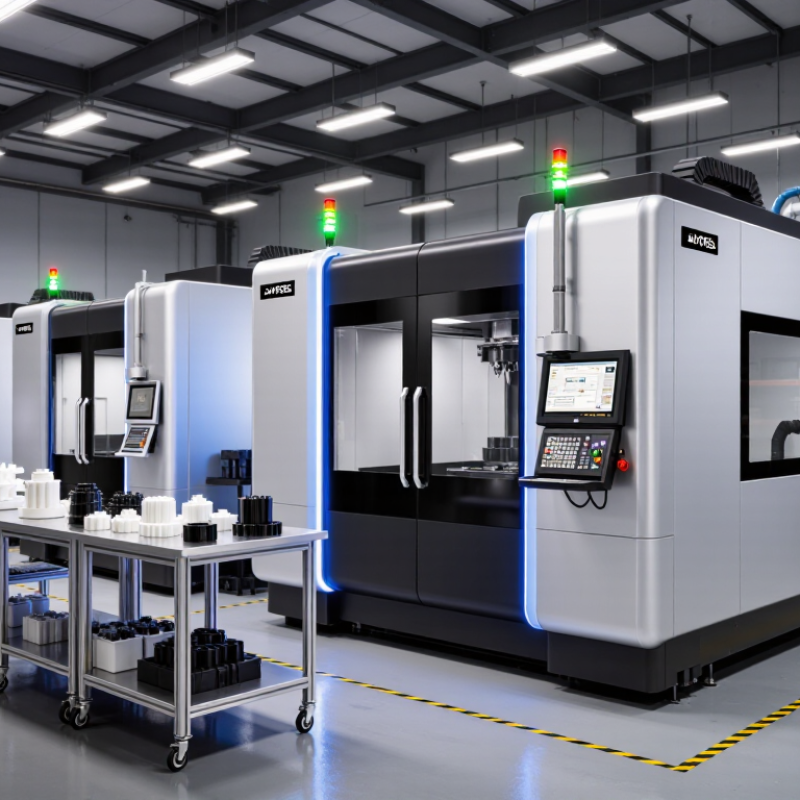
Leading SLS printer manufacturers distinguish themselves through process consistency, machine uptime, material options, and responsive technical support. For global buyers, compare build volume, powder handling, thermal control, and the availability of trained local service teams. A large chamber may look attractive, but it offers little value if production pauses while replacement parts cross borders.

The Wohlers Report 2024 estimated that the broader additive manufacturing industry generated $20.035 billion in revenue in 2023, up 11.1% from 2022. This figure covers multiple technologies and services, not SLS alone, but it signals a maturing market. Ask manufacturers for application-specific sample parts, repeatability data, and clear service terms. A polished demonstration is useful; documented performance across repeated builds is more useful. Comparisons can still be imperfect.

Tip: Request a test using your actual powder and part geometry. Inspect thin walls, small holes, and surface finish, then check how much usable powder remains after the build.

How to Compare Manufacturers, Machines, and Materials

For global buyers, comparing SLS manufacturers means looking beyond brochure speed and maximum build volume. Ask how the supplier controls powder refresh, chamber temperature, and calibration between jobs. These routines affect repeatability, surface texture, and the amount of usable powder left after a build. Request sample parts made with stated settings, plus dimensional checks on thin walls and mating features. Small details matter.

A machine should match the parts you actually make. Compare build envelope, laser configuration, nesting software, service access, and documented maintenance intervals. A large chamber may help batch production, but it can raise operating costs when often underfilled. Ask about installation, operator training, spare-part lead times, and remote support across your time zone. Ask for proof.

Material choice changes both performance and workflow. Polyamide powders suit many functional prototypes and production parts, while filled grades can improve stiffness or heat behavior. Still, test the exact grade with your geometry; published data rarely predicts every thin feature or snap fit. Compare powder handling rules, refresh guidance, color options, and recycling limits in writing. I would not choose on price alone: a cheaper quote can omit commissioning, validation parts, or application support. This comparison is imperfect, but a pilot build exposes weak assumptions before volume grows.

What Global Buyers Should Know About Service and Support

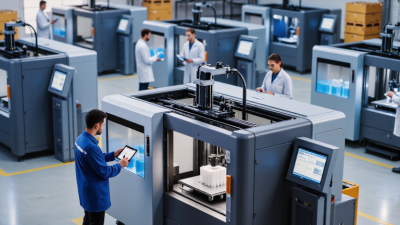
For global buyers, SLS service quality is tested after installation, not during a polished factory demonstration. Ask who handles a failed build, where replacement parts are stocked, and how quickly a technician can respond across time zones. Get those details in writing. A useful service agreement defines response and repair targets separately; a fast reply does not guarantee a working printer. Request a sample maintenance schedule covering laser checks, powder handling, filter changes, and calibration.

The Wohlers Report 2024 estimated that the additive manufacturing industry generated $20.0 billion in revenue in 2023, growing 11.1% year over year. That market figure does not measure support quality, but it underscores the expanding ecosystem buyers must evaluate. During reference checks, ask operators how many days a typical fault keeps a machine offline and whether troubleshooting is remote or on-site. Also confirm training for operators and maintenance staff, plus access to service documentation and critical spares. A detail buyers sometimes miss: local support may depend on a distributor, not the manufacturer’s own engineers. I would not treat a glossy uptime promise as proof; request anonymized service records or clear exclusions before signing.