


Design and development by Raincastle Communications.

Choosing a 3 d printer in 2026 is less about buying the fastest machine and more about matching it to your real projects. Will it make sturdy workshop brackets, detailed miniatures, or classroom prototypes? A printer’s build volume, material compatibility, setup demands, and ongoing costs can matter more than a headline speed. The choice can feel less obvious after you compare them.
The market is substantial, but growth alone does not tell you which model to buy. Wohlers Report 2024 estimated that the global additive manufacturing industry reached $20.035 billion in 2023, an 11.1% increase over 2022. That figure covers the wider industry, not just desktop printers, so it is useful context—not a buying forecast. Columbia University professor Hod Lipson, co-author of Fabricated: The New World of 3D Printing, is often associated with the concise line, “If you can imagine it, you can make it.” Ambition is useful; practical limits matter too.
This guide compares leading 2026 options by print quality, reliability, ease of use, material support, and value. It also considers the less glamorous details: nozzle changes, bed leveling, ventilation, replacement parts, and the space a printer occupies. A sample print may look perfect in a review, yet your own results can vary with settings, filament, and maintenance. No single machine suits everyone. Treat the recommendations as a shortlist, then check current specifications and support before buying.
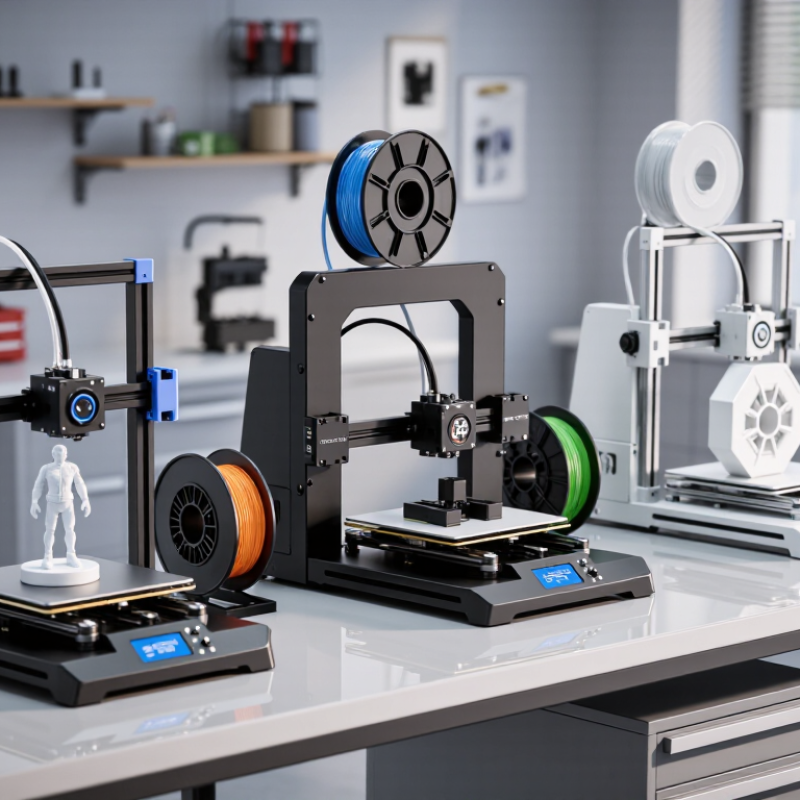
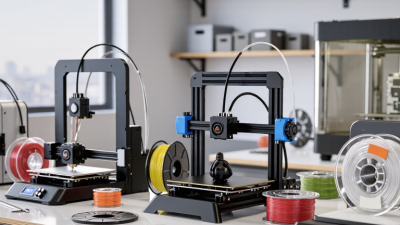
When comparing a 2026 3D printer, start with its process, not its advertised speed. ISO/ASTM 52900 provides a shared vocabulary for additive manufacturing. Fused filament fabrication, or FFF, is commonly used for material extrusion: a heated nozzle lays down thermoplastic in fine tracks. It suits functional prototypes and everyday parts, though visible layer lines are normal. Small detail? It depends on the nozzle, material, and setup.
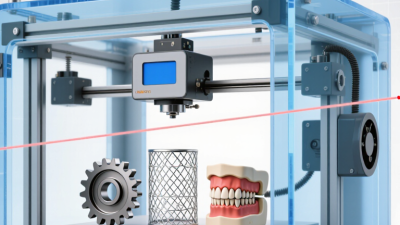
Vat photopolymerization hardens liquid resin with light. It can produce finely detailed surfaces, but parts need careful washing and post-curing. Powder bed fusion joins selected regions of a powder layer, while material jetting places droplets that are then solidified. Binder jetting uses a binding agent; directed energy deposition adds material where needed. These categories describe different processes, not a simple ranking.
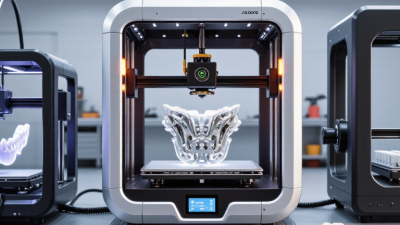
For a first printer, match the process to the object you actually need. A bracket that must tolerate handling may favor material extrusion; miniature surface detail may point toward vat photopolymerization. Check build volume, material options, maintenance, and the full workflow. A fast specification sheet cannot show how often a machine needs recalibration. That part is easy to underestimate. Also, standards terminology and familiar market labels do not always align perfectly, so confirm the stated process before comparing machines.
| ISO/ASTM 52900 process category | How it builds parts | Typical materials | Main advantages | Main trade-offs | Best fit for buyers |
|---|---|---|---|---|---|
| Material extrusion (FFF/FDM) | Feeds thermoplastic filament through a heated nozzle and deposits it in successive roads and layers. “FFF” and “FDM” are common terms for this process family. | PLA, PETG, ABS, ASA, nylon, TPU, and fiber-filled thermoplastics, depending on printer capability. | Often the most accessible route to functional prototypes and larger parts; broad material choices; parts can be relatively easy to handle and finish. | Visible layer lines; strength can vary by print direction; some materials need an enclosure, a heated build environment, or careful drying. | A practical first choice for general-purpose home, classroom, hobby, and workshop printing. |
| Vat photopolymerization | Light selectively cures liquid photopolymer resin in a vat, layer by layer. Implementations include laser-scanned and projected-light systems. | UV-curable photopolymer resins, including general-purpose, flexible, and specialty formulations. | Can produce fine details and smooth surfaces, making it useful for small intricate models and visual prototypes. | Parts usually require washing and post-curing; uncured resin needs careful handling; supports and resin disposal add workflow considerations. | Buyers prioritizing detail and surface finish who can manage resin handling and post-processing. |
| Powder bed fusion (PBF) | Thermal energy selectively fuses regions of a powder bed, with fresh powder spread for successive layers. Polymer and metal systems use different materials and process conditions. | Polymer powders such as nylon; metal powders such as stainless steel, titanium, or aluminum alloys in suitable systems. | Can create complex geometries; surrounding powder can support many shapes during building. Some systems produce durable functional parts. | Equipment, powder handling, and post-processing can be demanding. Metal PBF in particular requires specialized facilities and safety controls. | Usually a specialist or service-bureau option for demanding polymer or metal parts, rather than a typical first home printer. |
| Binder jetting | A printhead deposits a liquid binding agent onto selected regions of a powder bed. The printed part may need curing, depowdering, infiltration, or sintering, depending on the material and application. | Material systems can include metal, sand, ceramics, or gypsum-based powders, depending on the equipment and workflow. | Can build many parts in a powder bed and can suit applications such as sand molds or production batches. | As-printed properties may differ from final properties; depowdering and material-specific post-processing are important parts of the process. | Industrial users with a defined powder-based production workflow, not most casual buyers. |
| Material jetting | Deposits droplets of build material, which are solidified, commonly by light curing. Some systems can deposit multiple materials in a build. | Typically photopolymer materials; available material combinations depend on the system. | Can deliver fine detail and smooth surfaces; multi-material capability can support visual models with varied properties or colors. | Equipment and material costs are generally higher than for basic filament printing; material options and long-term part behavior vary by system. | Design, visualization, and prototyping teams that value detailed or multi-material models. |
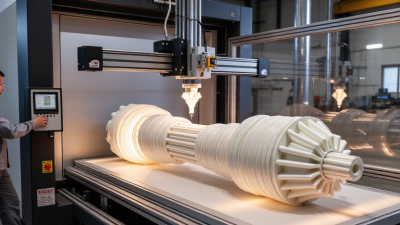
| Directed energy deposition (DED) | Focused thermal energy melts material as it is deposited, commonly from a wire or powder feedstock. It can also be used to add material to existing components. | Metal wire or powder, selected for the deposition system and application. | Useful for large metal builds, repair, and adding features to existing parts. | Typically needs industrial equipment and process control; parts often require machining or other finishing for accurate surfaces. | Industrial repair, large metal components, and engineering applications. |
| Sheet lamination | Sheets of material are bonded together and cut to shape layer by layer. The bonding and cutting methods depend on the process and feedstock. | Paper, polymer, metal, or other sheet materials, depending on the system. | Can make parts from sheet stock and may be useful for specific material, model, or tooling applications. | Bonding, cut geometry, material choice, and finishing requirements can limit suitability for general-purpose part production. | Niche or application-specific users; compare the full workflow with more common processes before buying. |
Buyer’s shortcut: Start with material extrusion for versatile, accessible printing; consider vat photopolymerization when fine detail is the priority. The other ISO/ASTM 52900 process categories are generally selected for particular production or industrial requirements. Actual build quality, cost, and material performance depend on the printer, settings, material, and post-processing.
Design and development by Raincastle Communications.
 Customer Support
 Request Sample
 Contact